
Light Requirements
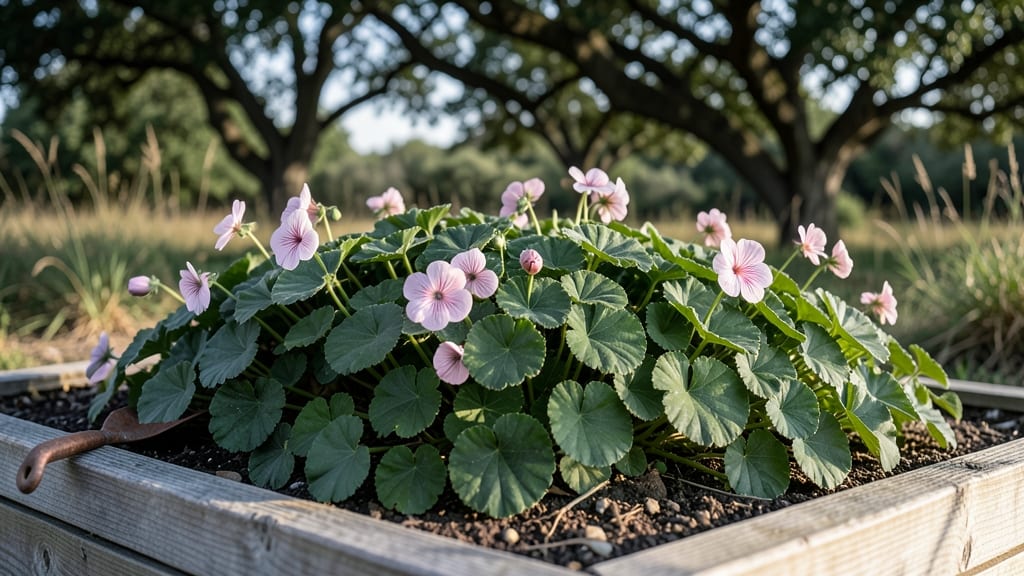
Growing geraniums in part shade isn’t just possible—it’s the secret to keeping your 🌸 blooms vibrant in shadier spots where other plants struggle.
Struggling to keep your geraniums alive in part shade? The right varieties and light management can turn your dimmer garden spots into vibrant displays—without sacrificing those classic blooms.
Part shade doesn’t mean giving up on color. With the right geranium types and a few light-balancing tricks, you can enjoy lush foliage and steady blooms even where full sun is scarce.
In this guide, I’ll show you the best shade-tolerant varieties, how to tweak light exposure for maximum growth, and how to fix common problems like leggy stems or sparse flowers.
 Best Window Placement
Best Geranium varieties that thrive in part shade gardens
If you’ve ever watched your geraniums stretch weakly toward the light or bloom sparsely in shady spots, you’re not alone. The key to success lies in choosing shade-tolerant varieties that thrive with 3-6 hours of filtered sunlight daily.
Unlike sun-loving geraniums, these hardy types adapt beautifully to woodland gardens, north-facing borders, or areas under tall trees.
I’ve grown these varieties myself in my part-shade garden, and they’ve become my go-to for adding color where full sun is scarce. The secret? Selecting Geranium macrorrhizum (cranesbill) or Geranium phaeum (dusky cranesbill), which boast dark foliage and long bloom seasons—often from spring through fall with minimal fuss.
Geranium macrorrhizum is my top pick for low-maintenance shade gardens. Its silvery-green foliage adds texture, and the pinkish-purple blooms appear sporadically from spring through fall. I’ve seen it spread gently in my woodland garden, filling gaps where hostas struggle to bloom. For a bolder statement, try Geranium phaeum 'Samobor', which produces velvety purple flowers that attract bees and hummingbirds.
If you’re dealing with dry shade, prioritize Geranium macrorrhizum—it’s the most drought-tolerant option on this list. In moist, shady spots, Geranium nodosum thrives, mimicking a wildflower meadow. Both varieties reward patience with extended bloom times and minimal deadheading needs, making them ideal for busy gardeners.
For container gardening in part shade, I recommend Geranium renardii. Its compact size (8-12 in) makes it perfect for hanging baskets or window boxes where space is limited.
Pair it with heuchera or ferns for a layered, lush display. Just ensure your container has drainage holes—geraniums hate soggy roots, even in shade.
One common misconception is that all geraniums need full sun. In reality, shade-tolerant varieties like those above can outperform sun-lovers in low-light areas. The trick? Amend your soil with compost to improve drainage and mulch heavily to retain moisture.
I’ve seen Geranium sanguineum bloom prolifically in morning sun with afternoon shade, proving that even classic geraniums can adapt.
When planting, avoid competition from aggressive roots like those of maple or oak trees. Instead, choose a spot with dappled sunlight and well-draining soil.
If your garden is too dark, consider reflective surfaces like light-colored gravel or a white garden bench nearby to bounce extra light onto your plants. This simple hack can boost bloom production by 20-30%.
Finally, don’t overlook pruning as a way to encourage bushier growth in shade. After the first flush of blooms, trim back leggy stems by
Light balance hacks: how to maximize Geranium growth in partial shade
Geraniums in partial shade can still produce stunning blooms with the right adjustments. The key is optimizing light exposure without overwhelming your plants. Even 4-6 hours of filtered sunlight can transform leggy growth into bushy, flowering powerhouses. Let’s explore practical ways to give your geraniums the perfect light balance.
Start by evaluating your garden’s natural light patterns. Morning sun paired with afternoon shade works best for most shade-tolerant varieties. If your space gets only 2-3 hours of light, consider supplementing with reflective surfaces or strategic pruning to redirect sunlight where it’s needed most.
- 1 Prune nearby trees to increase light penetration. Trim branches that block morning sunlight, especially in spring when geraniums need energy to bloom. Aim for 30-50% more light reaching your plants by midday.
- 2 Use white or light-colored containers to reflect up to 20% more sunlight onto leaves. Place pots on elevated stands or south-facing surfaces to maximize exposure without direct midday heat.
- 3 Rotate pots weekly to ensure even growth. Geraniums in partial shade can develop uneven foliage if one side gets more light. A simple quarter-turn every 7 days keeps stems balanced and blooms abundant.
- 4 Plant sun-loving companions like heuchera or astilbe nearby. These plants act as natural light diffusers, creating a microclimate that benefits geraniums while adding texture to your shade garden.
- 5 Adjust light exposure seasonally. In spring and fall, geraniums thrive with 3-4 hours of morning sun. During summer’s intense heat, shift pots to dappled shade by 11 AM to prevent leaf scorch.
Don’t overlook the power of seasonal adjustments. In early spring, geraniums benefit from extra light to kickstart blooming. Move containers closer to south-facing walls or use a portable grow light for 2-3 hours daily if natural light is scarce.
Conversely, in late summer, protect them from hot afternoon sun by providing afternoon shade with a lightweight shade cloth.
Companion planting can also work wonders. Pair geraniums with hostas or fern varieties to create a layered effect that naturally filters light. This not only enhances your garden’s aesthetic but also helps geraniums retain moisture and reduce stress from fluctuating light conditions.
With these light balance hacks, your geraniums will reward you with vibrant blooms and lush foliage—even in shadier spots. Start small, monitor their progress, and adjust as needed. Happy gardening! 🌸