
Planting
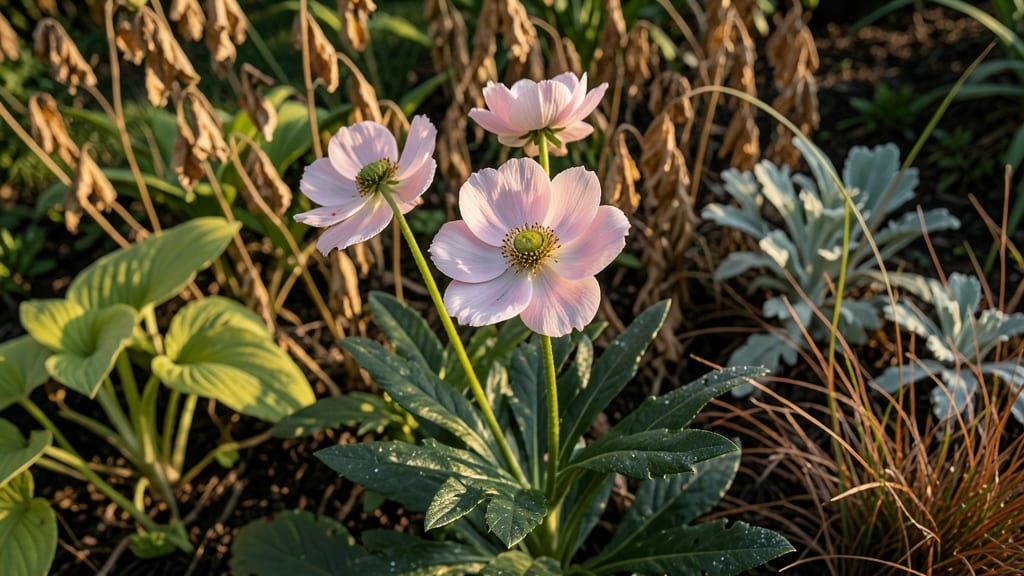
Struggling to find vibrant blooms for your shady garden? These 10 cold-hardy flower bulbs thrive in low-light conditions, deliver early spring color, and return year after year with minimal effort. Perfect for gardeners with woodland gardens, north-facing yards, or under tree canopies.
Snowdrop Galanthus Nivalis
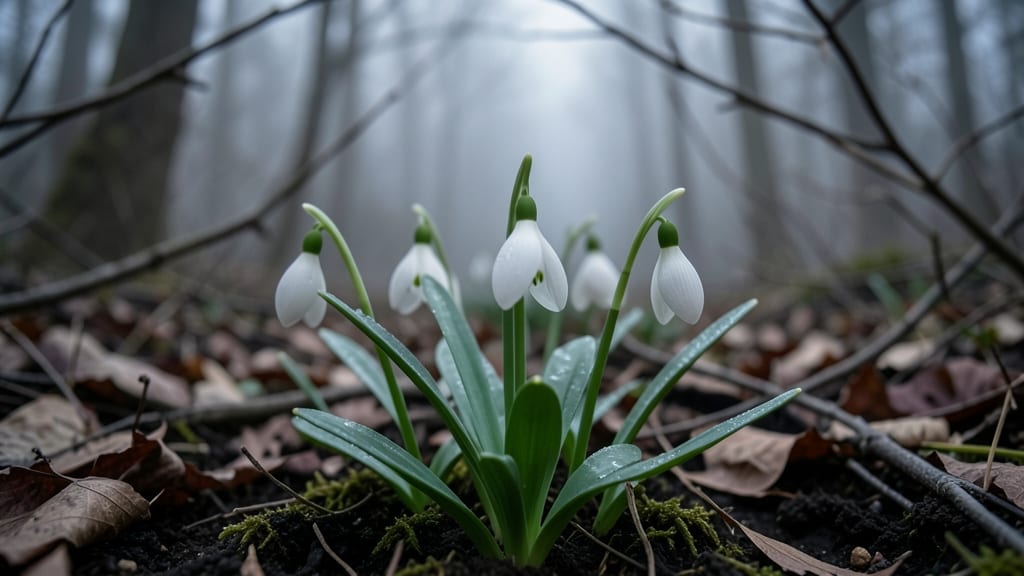
When winter's grip still holds tight, snowdrop (Galanthus nivalis) emerges as nature's first messenger of spring, often blooming as early as December in milder climates. These delicate white flowers thrive in deep shade where most plants dare not grow, making them perfect for understory planting or cottage gardens.
Plant bulbs 6 inches deep in well-drained soil during fall, and they'll naturalize beautifully over time, creating lush carpets of flowers. Snowdrops prefer moist but not soggy conditions and tolerate temperatures down to -20°F, making them ideal for USDA zones 3-9. Their toxic nature deters deer and rodents, giving you worry-free winter blooms.
This hardy perennial brings year-round interest—even when not in bloom, their slender green leaves add texture. Woodland gardeners and cottage-style landscapers will love how snowdrops transform dark corners into magical winter wonderlands. 🌱
Crocus Vernus Dutch White
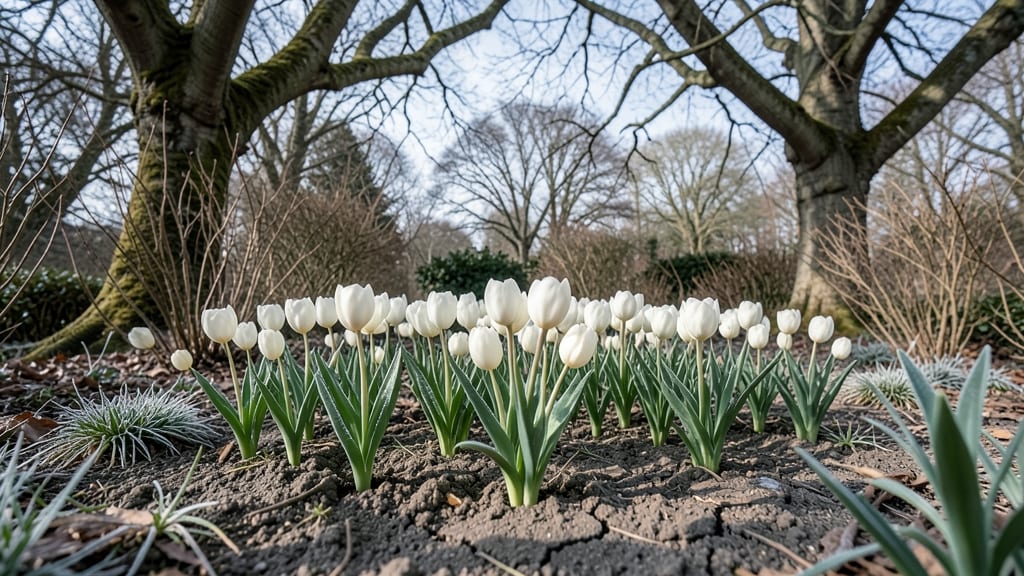
If your garden feels overlooked under the canopy of trees, Crocus Vernus Dutch White is your secret weapon for early spring color. This cold-hardy perennial pushes through frozen soil as early as February, delivering cheerful white blooms when most gardens are still dormant.
Plant these bulbs in dappled shade where other plants struggle—rock gardens, under deciduous trees, or along woodland edges. They thrive in well-drained soil and multiply over time, creating naturalized drifts that attract bees and other early pollinators. For best results, plant bulbs 3-4 inches deep in fall, and enjoy blooms that emerge before leaves return to the trees.
Urban gardeners and rock garden enthusiasts will love how these crocuses add structure and color to tricky spaces. Their low-maintenance nature makes them perfect for busy gardeners who still want early-season beauty. 🌱
Bleeding Heart Dicentra Spectabilis
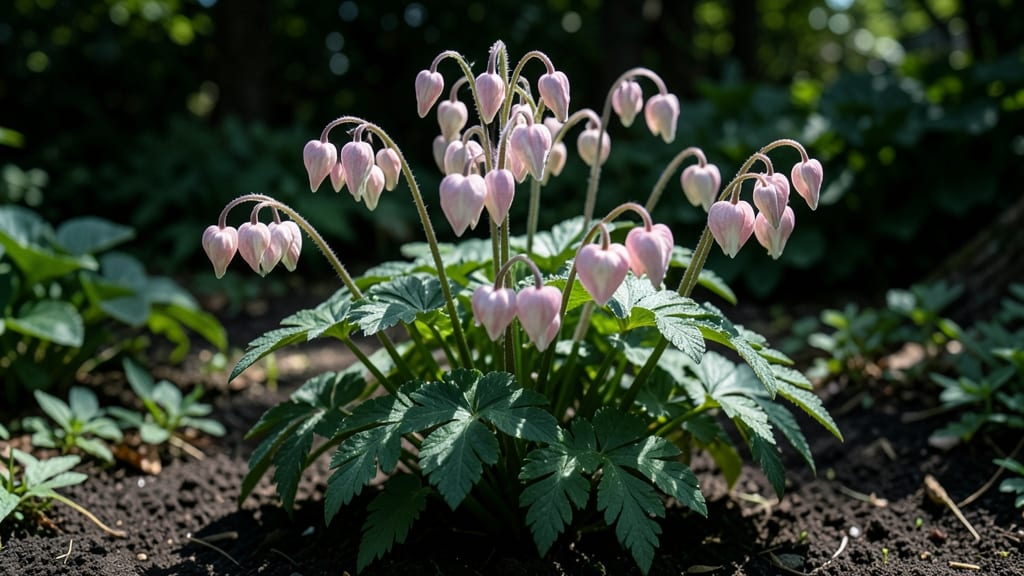
If you're craving a dramatic focal point for your shady garden that doesn't require constant care, bleeding heart (Dicentra spectabilis) delivers with its iconic heart-shaped blooms. Unlike early spring bulbs, this perennial thrives in moist, well-drained soil and blooms reliably for years, making it a standout investment for shade gardens.
Plant bleeding heart in partial to full shade, where it will reward you with arching stems of pink, white, or red flowers from late spring to early summer. The secret to success? Keep the soil consistently moist but never waterlogged—mulching helps retain humidity while suppressing weeds. This plant excels in woodland edges or along borders, where its graceful habit softens hardscapes and adds vertical interest.
Perfect for gardeners who want long-lasting color without the upkeep of annuals, bleeding heart also attracts hummingbirds and provides lush foliage that stays attractive even after blooming. It's the ideal choice for shade lovers who crave both beauty and reliability. 🌿
Glory of the Snow Chionodoxa
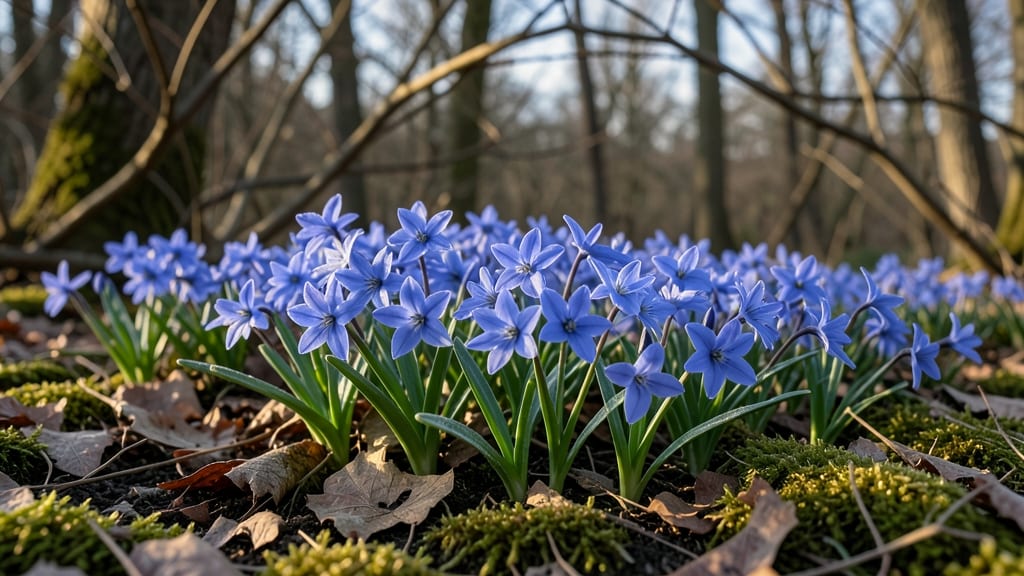
Brighten up those dark corners with Glory of the Snow (Chionodoxa), a late-winter bloomer that turns shady spots into a sea of blue. Unlike most bulbs that wait for spring, these star-shaped flowers emerge in February or March, often before trees leaf out, giving you a head start on color.
Plant them in deep shade where other plants struggle—under conifers, along north-facing walls, or beneath deciduous trees. The bulbs multiply quickly, forming naturalized drifts that look like someone sprinkled fairy dust across the garden. For best results, plant in well-drained soil and water lightly until established, then let nature take over.
This is the perfect choice for gardeners with woodland gardens or small shaded spaces who want low-maintenance, high-impact blooms. 🌟
Hellebore Lenten Rose
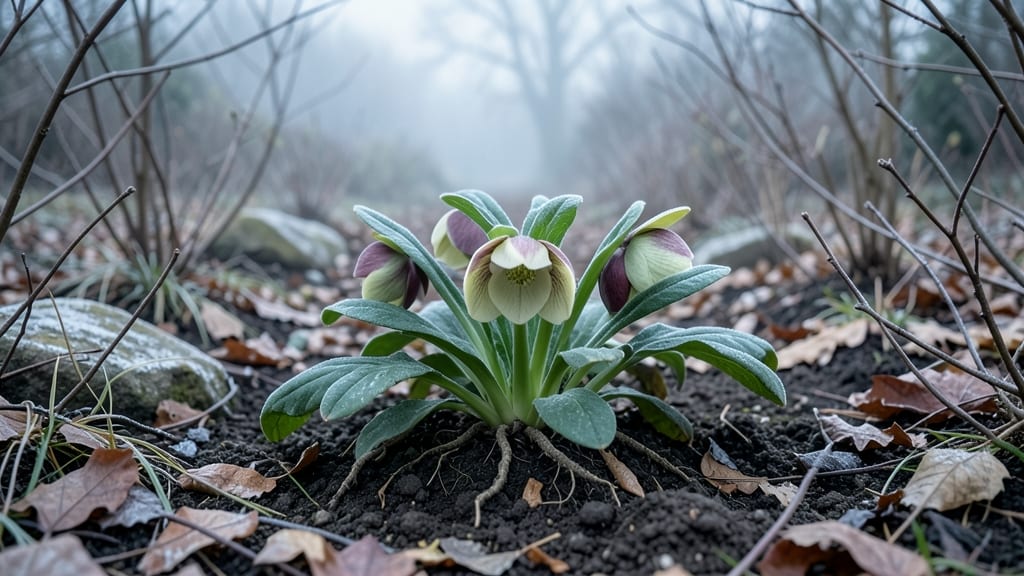
When most of your garden is still sleeping under winter's blanket, hellebores (Lenten Rose) burst into bloom—often as early as February—with their unique nodding flowers. This shade superstar thrives in the darkest corners where few other plants dare to grow, offering year-round interest with its glossy, evergreen leaves.
Plant hellebores in well-drained soil with partial to full shade, and they'll reward you with flowers that last for weeks. Their late-winter blooms are a magnet for early bees, giving your garden a head start on pollinator support. Varieties like 'Pink Frost' or 'Blackthorn' add striking color to woodland gardens, foundation plantings, or even containers.
Perfect for gardeners who want low-maintenance beauty without sacrificing impact, hellebores multiply over time and resist deer and rabbit damage. They're the unsung hero of the shade garden—always reliable, always stunning. 🌿
Lungwort Pulmonaria Officinalis
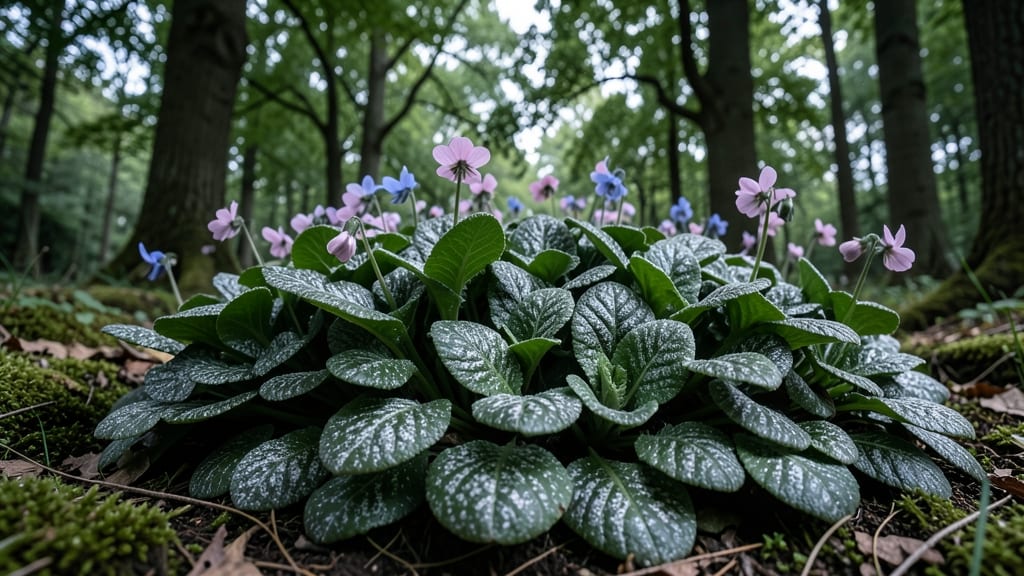
Tired of shade plants that only shine when they're in bloom? Lungwort (Pulmonaria officinalis) flips the script with its striking spotted foliage that stays eye-catching long after its flowers fade. This underrated perennial thrives where others struggle, making it a secret weapon for dark corners of your garden.
Plant it in deep shade to partial sun where few other perennials survive, and enjoy its early spring blooms that transform from pink to blue as they age. The foliage's silver-spotted leaves add texture year-round, while its self-seeding habit ensures it multiplies naturally. Perfect for cottage gardens, woodland edges, or under trees where it creates a lush, ever-interesting ground cover.
Cottage gardeners and shade lovers will adore how low-maintenance this plant is—once established, it handles drought and poor soil with grace. 🌿
Scilla Siberica Blue Star
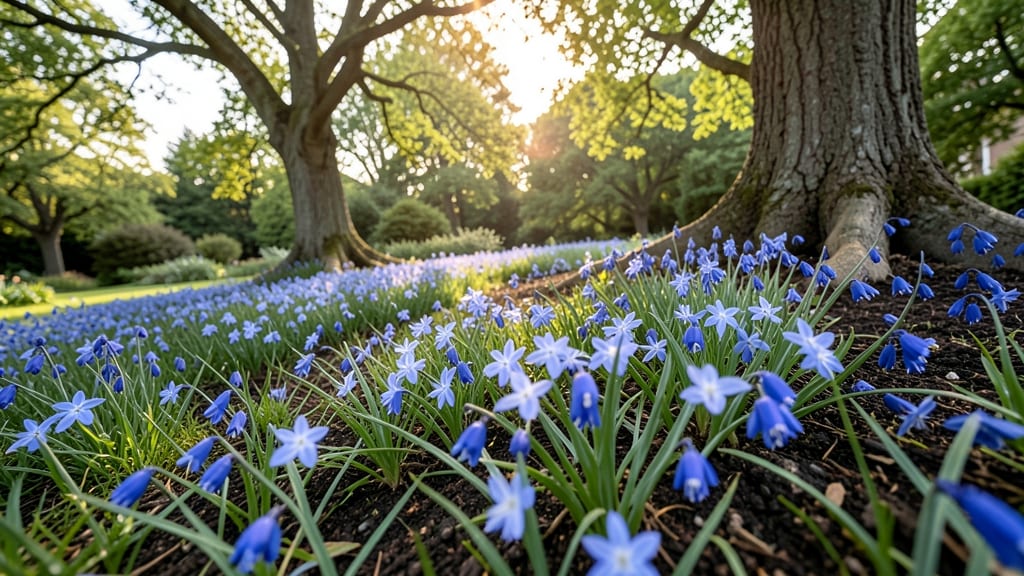
Imagine waking up to a carpet of tiny blue stars peeking through grass or spilling from under trees—Scilla siberica delivers that fairy-tale effect with minimal effort. Unlike its spring-blooming cousins, this hardy bulb thrives in moist, well-drained soil and spreads effortlessly, making it perfect for lawns, woodland edges, or understory plantings where other bulbs struggle.
Plant the bulbs 2-3 inches deep in fall for early spring blooms that last 3-4 weeks. The star-shaped flowers (each just ½ inch wide!) create a stunning contrast against fresh green grass or leaf litter. Unlike Glory of the Snow, which blooms earlier, Scilla siberica prefers partial to full shade and tolerates wetter conditions, making it ideal for areas where other shade bulbs fail.
This is the secret weapon for gardeners who want low-maintenance color without the fuss of annuals. Once established, it multiplies yearly, rewarding you with year-round interest from its slender, grass-like foliage even after blooms fade. 💚
Toad Lily Tricyrtis Hirta
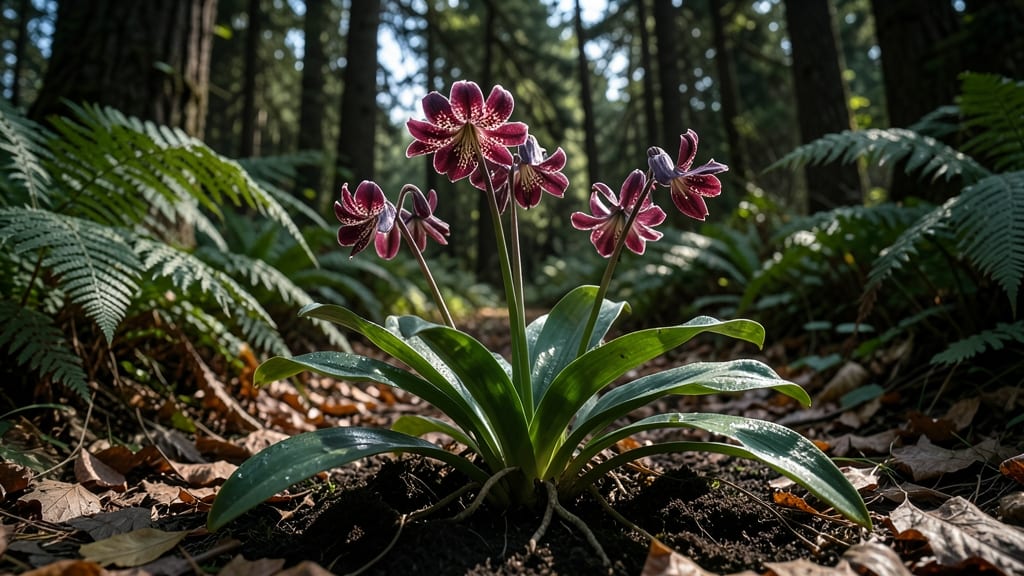
When your garden seems to fade as summer wanes, toad lily (Tricyrtis hirta) steps in as a dramatic late-season star. This underrated gem thrives where others struggle—deep shade and moist soil—delivering exotic, spotted blooms that dance on slender stems from August through October.
Plant its rhizomes 2-3 inches deep in well-draining, humus-rich soil and space them 12 inches apart. Unlike spring bloomers, toad lilies reward patience with fragile, lantern-like flowers in shades of purple, white, and green, often speckled with contrasting spots. Their arching stems create natural vertical interest, making them ideal for woodland gardens or as a focal point under shrubs.
Perfect for gardeners who want year-round structure and late-season color, toad lilies also attract pollinators like hummingbirds. A true hidden gem for shade lovers! 🌿
Sweet Woodruff Galium Odoratum
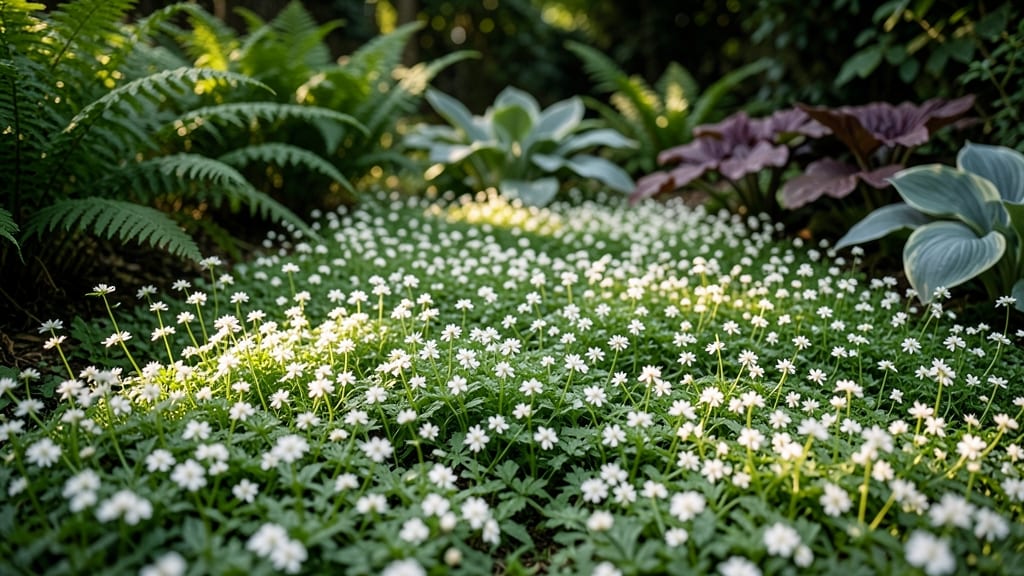
Tired of shade gardens that lack fragrance and visual interest? Sweet woodruff (Galium odoratum) transforms dull corners into fragrant, living carpets with its delicate white blooms and intoxicating vanilla-like scent when crushed. This low-growing perennial thrives where others fail, spreading quickly to fill gaps under trees or along borders.
Plant it in deep shade to partial shade with moist, well-drained soil—it tolerates dry spells once established. The whorls of tiny white flowers appear in late spring, followed by seed heads that add texture. Its spreading habit makes it perfect for suppressing weeds while creating a sensory experience gardeners will love to touch and smell.
Urban gardeners and woodland enthusiasts will appreciate how sweet woodruff brightens shady spots without competing with tree roots. Just avoid overwatering once established—this shade superstar thrives on neglect once settled in. 🌿
Japanese Anemone Anemone Hupehensis

When summer's peak has passed and most gardens look spent, Japanese anemone (Anemone hupehensis) steps in to save the show. This late-season star produces delicate, soft pink blooms from August through October, thriving where other plants have already faded—ideal for adding color to shaded borders, woodland gardens, or under trees.
Plant the tubers in early spring just below the soil surface in partial to full shade, ensuring well-drained soil. Its airy stems and dark green foliage provide structure, while the flowers attract butterflies and bees. Deadhead spent blooms to encourage more flowers, and mulch in winter for protection—this perennial will reward you with years of effortless blooms.
Perfect for gardeners who want low-maintenance late-season interest, Japanese anemone is a must-have for extending your garden's season. 🌻