
Shrubs
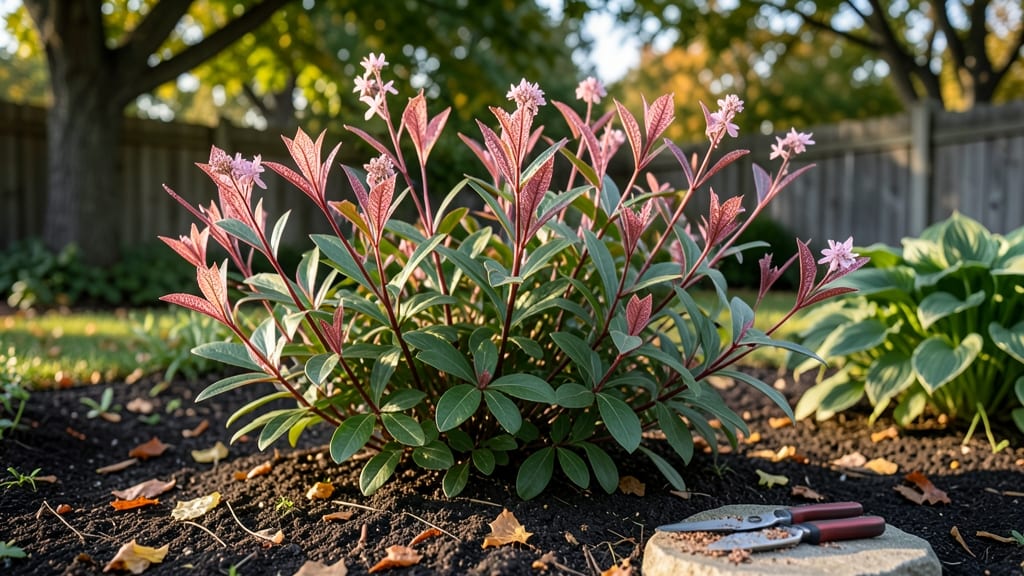
Euonymus thrives in shade with drought-tolerant varieties like Euonymus fortunei or Euonymus alatus, which adapt well to low-light conditions while maintaining vibrant foliage and compact growth. Choose evergreen types for year-round interest and ensure well-draining soil to prevent root rot.
Many gardeners overlook euonymus for shady spots, but these shrubs actually thrive where other plants struggle. 🌿 The key lies in their ability to adjust chlorophyll production in low light, which helps them maintain energy without needing full sun.
For example, Euonymus fortunei keeps its glossy leaves year-round even in dappled shade, while Euonymus alatus develops stunning fall colors despite limited sunlight. The trade-off? Some varieties may grow slightly slower in deep shade, but their resilience makes them perfect for under trees or north-facing borders.
When selecting varieties, prioritize those bred for shade tolerance. Emerald Gaiety stands out with its variegated foliage that remains vibrant in partial shade, while Burning Bush delivers dramatic seasonal color changes even with just a few hours of indirect light.
Always check the soil's moisture retention—euonymus roots prefer good drainage to avoid rot, especially in shaded areas where evaporation slows down.
💡 In This Article
- How Shade Affects Euonymus Growth and Variety Selection
- Best Euonymus Varieties for Shady, Drought-Prone Gardens
How shade affects euonymus growth and variety selection
Euonymus plants have evolved remarkable adaptations to thrive in shaded environments. When exposed to low light, they adjust their chlorophyll production to maximize energy capture from available wavelengths.
Unlike sun-loving plants that rely on direct sunlight for photosynthesis, euonymus develops broader leaf surfaces and a higher concentration of chlorophyll in shaded conditions, allowing them to absorb more diffuse light.
This physiological response explains why varieties like Euonymus fortunei maintain lush foliage even under tree canopies where light intensity drops to just 10-30% of full sun. 💫
The root system also adapts to shaded conditions by growing more extensively horizontally rather than vertically, creating a wider network to access moisture and nutrients from deeper soil layers.
This horizontal growth pattern makes euonymus particularly drought-tolerant in shaded areas, as the roots can tap into water reserves that surface plants might miss.
Deciduous varieties like Euonymus alatus (Burning Bush) demonstrate this well—their roots establish quickly in partial shade, allowing them to store energy for dramatic fall color displays even when sunlight is limited during the growing season.
Shade significantly impacts the growth rate and form of euonymus. In deep shade (less than 3 hours of direct light daily), evergreen varieties may grow more slowly but develop denser foliage to compete for limited light.
The trade-off is that some variegated types, like Emerald Gaiety, may lose their cream/yellow variegation in very low light, reverting to solid green leaves. This occurs because the white cells (which reflect light) require sufficient light to maintain their pigmentation.
Deciduous varieties, however, often perform better in deeper shade as they can focus energy on root development rather than maintaining foliage year-round.
Drought tolerance in shaded euonymus stems from their ability to regulate water loss through smaller, thicker leaves that reduce surface area exposure. This adaptation is particularly valuable in shaded gardens where soil moisture remains higher for longer periods.
However, this same trait means they're more susceptible to root rot in poorly draining soils—a common issue in shaded areas where water pools.
The ideal soil mix for shaded euonymus should contain 50-60% organic matter (like compost) and 30-40% mineral particles (like sand or perlite) to ensure proper drainage while retaining moisture.
When comparing evergreen versus deciduous types, consider your specific shade conditions. Evergreens like Euonymus fortunei 'Emerald 'n' Gold' provide year-round structure but may require slightly more light to maintain their variegation.
Deciduous types like Euonymus alatus offer seasonal interest with their fiery fall foliage and can tolerate deeper shade, making them ideal for understory plantings.
The key is matching the variety's light requirements to your garden's specific shade intensity—measured in foot-candles, with full sun at 10,000 foot-candles and deep shade as low as 100 foot-candles.
For gardeners working with shaded spaces, understanding these physiological adaptations allows for more strategic plant placement. For instance, positioning euonymus on the north or east side of trees provides morning light while avoiding harsh afternoon sun that could scorch leaves.
Mulching with 2-3 inches of organic mulch helps regulate soil temperature and moisture, creating optimal conditions for these shade-adapted shrubs to flourish without supplemental watering. 🌿