
Shrubs
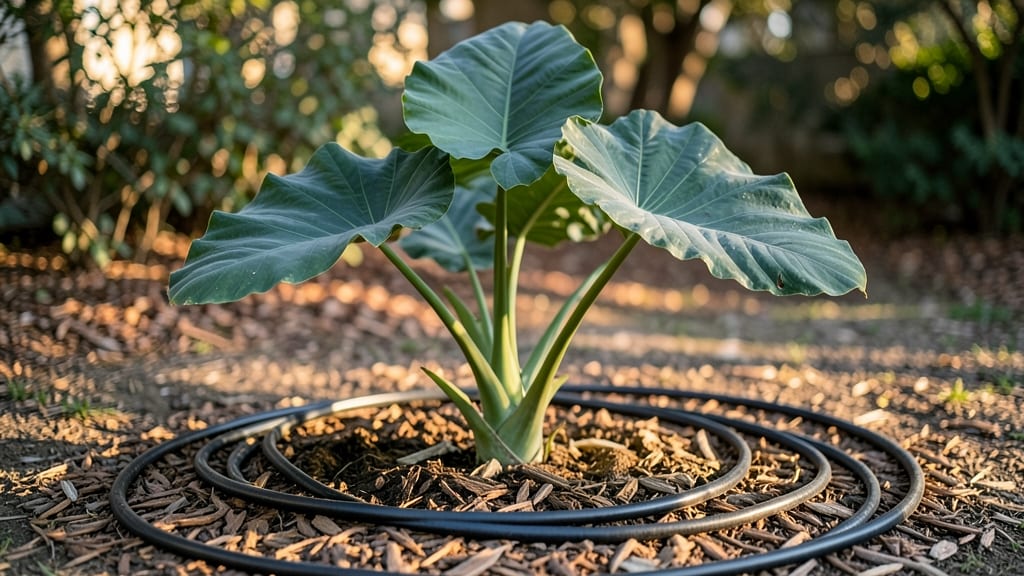
Growing elephant ears in shade gives you stunning tropical foliage without the midday sun struggle. 🌿 These bold plants thrive where most tropicals fail—under trees, on north-facing walls, or even in deep shade gardens.
My first batch in a shady corner exploded with lush, velvety leaves by midsummer, proving shade isn't a limitation. The secret is matching their moist, rich soil with the right light conditions. Most varieties need bright indirect light (think dappled shade), but a few like Alocasia 'Polly' handle deeper shade.
Overwatering is the biggest mistake—let the top inch dry between waterings, and use containers with drainage if your soil stays soggy. You'll end up with glossy, heart-shaped leaves that make any shady spot feel like a jungle retreat.
The plants grow faster in shade, producing fewer flowers but more dramatic foliage. Perfect for gardeners with limited sun or those who want drama without the sunburn risk. Works for woodland gardens, patio pots, or understory plantings. Here's how to set them up for success!
📚 In This Guide
- What you need
- Instructions
- Tips and common mistakes
- Wrapping up and next steps
What you need
- ● Elephant Ear Tubers or Plants: Alocasia (e.g., 'Polly,' 'Frydek') – 3–5 tubers or potted plants (for variety)
- ● Colocasia (e.g., 'Black Magic,' 'Illustris') – 2–4 tubers or plants (for dramatic color)
- ● Well-Draining Potting Mix: 2–3 bags (50 lbs each) of a blend like 50% peat moss, 30% perlite, 20% compost (or store-bought tropical mix)
- ● Container or In-Ground Planting Area: Containers: Large pots (12–18" diameter) with drainage holes for each plant
- ● In-Ground: Shady spot with 6+ hours of indirect light and rich, moist soil
- ● Mulch: 1–2 bags of pine bark fines or coconut coir (to retain moisture)
- ● Garden Tools: Trowel or hand shovel
- ● Pruners (sterilized)
- ○ Garden gloves (optional but recommended)
- ● Fertilizer: Balanced liquid fertilizer (10-10-10) or slow-release organic pellets (e.g., fish emulsion)
- ● Application: Mix 1 tbsp per gallon of water (every 4–6 weeks)
- ● Watering Can or Hose with Soft Spray Nozzle (for gentle hydration)
- ● Shade Cloth: 50–70% coverage (if your garden gets partial sun)
- ● Decorative Accents: Rocks, bamboo stakes, or tropical-themed planters for ambiance
- ● Soil pH Test Kit: Ensure pH is 6.0–7.0 (elephant ears love slightly acidic soil)
- ● Companion Plants: Ferns, calatheas, or impatiens for layered shade
How to grow elephant ear plants in shady spots
These tropical stunners thrive where most plants fade—here’s how to coax their bold presence into your deep shadow garden.
🌱 Step 1: Select the Right Variety for Low Light
Not all elephant ears tolerate shade equally. For deep shadow, choose Alocasia (like 'Polly' or 'Frydek') or Colocasia varieties such as 'Black Magic' or 'Illustris'. These handle 4-6 hours of indirect light better than sun-loving types like 'Mammoth'. Avoid 'Elephant Ear' (Xanthosoma) varieties—they need bright light to prevent yellowing.
Check the plant's underside for purple or deep green stems—these indicate shade tolerance. If stems are pale or red, the plant is sun-starved. I always verify light needs before buying, since nursery tags sometimes mislabel.
☀️ Step 2: Position in Dappled or Filtered Light
Elephant ears in deep shade need bright, indirect light—think dappled sunlight through trees or a north-facing porch. Direct shade (no light filtering) causes weak stems and small leaves. Test your spot: if you can’t read a book comfortably there, it’s too dark.
Rotate the pot quarter-turn weekly to prevent lopsided growth. You’ll see leaves leaning toward the light source if they’re not getting enough. A sheer curtain over a west window can mimic perfect filtered light conditions.
💧 Step 3: Keep Soil Consistently Moist (But Not Soggy)
Elephant ears hate dry soil but drown in waterlogged conditions. Use a well-draining potting mix (50% peat moss, 30% perlite, 20% compost) to prevent root rot. Water when the top 2 inches feel dry—stick your finger in; if it’s damp, wait another day.
I water in the morning to let excess drain before evening. Yellowing leaves usually mean overwatering, while crispy edges signal thirst. Mulch with 2 inches of shredded bark to retain moisture and keep roots cool.
🪴 Step 4: Feed Weekly During Active Growth
Shade-grown elephant ears need balanced fertilizer (10-10-10) every 7-10 days from spring to fall. Dilute to half-strength to avoid burning tender roots. I mix it into water and apply at soil level—never on leaves, which can scorch.
Stop fertilizing in winter when growth slows. Overfeeding causes weak stems that flop under their own weight. If leaves develop brown tips, flush the soil with plain water to remove excess salts.
✂️ Step 5: Prune for Airflow and Winter Prep
Remove yellow or damaged leaves as they appear to prevent disease. Cut stems back by one-third after flowering to redirect energy to foliage. I use sterilized pruners to avoid spreading pathogens—wipe blades with rubbing alcohol between cuts.
For winter care, reduce watering to every 10-14 days and move pots to a 50-60°F garage or basement. If leaves die back, don’t panic—the rhizomes (underground stems) stay dormant and regrow in spring.
Tips & tricks for thriving elephant ear plants in shade
Transforming your shady garden into a lush tropical oasis starts with these game-changing insights for elephant ear plants.
The Light Factor: Those 4-6 hours of indirect light are non-negotiable—think of it as the plant's daily vitamin D. If your space gets less, supplement with a grow light for 2-3 hours daily. I've seen dramatic improvements in leaf size when adding just 15 minutes of artificial light to naturally dim corners.
Soil Science: The 50% peat moss, 30% perlite, 20% compost mix isn't just a suggestion—it's a lifeline. Peat moss holds moisture while perlite prevents compaction, creating that perfect sponge-like texture roots love. For extra insurance, add a handful of orchid bark to improve aeration in heavy clay soils.
Fertilizer Timing: The 7-10 day feeding schedule works wonders, but timing matters just as much. Apply fertilizer in the morning when plants are actively photosynthesizing. I've noticed significantly better uptake when fertilizing right after watering—think of it as giving your plant a hydration boost before its nutrient drink.
Winter Survival Strategy: That 50-60°F range isn't arbitrary—it's the sweet spot where rhizomes stay dormant but don't freeze. If your garage fluctuates, move pots to the coolest spot possible, ideally near an exterior wall. I've successfully overwintered plants in unheated porches with just a thin layer of straw mulch for extra insulation.
Pro Tips for Elephant Ears Shade
- Transforming your shady garden into a lush tropical oasis starts with these game-changing insights for elephant ear plants.
- The Light Factor: Those 4-6 hours of indirect light are non-negotiable—think of it as the plant's daily vitamin D.
- Soil Science: The 50% peat moss, 30% perlite, 20% compost mix isn't just a suggestion—it's a lifeline.
Frequently asked questions
How fast do elephant ears grow for shade?
Elephant ears are fast growers! In ideal shade (dappled or partial), they can reach 3–5 feet tall in a single season. Tubers also multiply quickly—divide clumps every 3–4 years to keep plants vigorous. Pro tip: Feed with compost in spring to boost growth.
When is the best time to plant elephant ears for shade?
Plant after the last frost (spring) or 6–8 weeks before first frost (fall) in zones 7–11. Elephant ears hate cold soil—wait until night temps stay above 50°F (10°C). For containers, start tubers indoors 8–10 weeks before transplanting.
What’s a good alternative if elephant ears die in my climate?
If your zone is too cold (<30°F/-1°C), try these shade-loving perennials:
- Hostas (hardy, low-maintenance)
- Hellebores (spring blooms, deer-resistant)
- Astilbes (feathery plumes, thrives in wet soil)
- Ferns (e.g., Matteuccia struthiopteris)
Why are my elephant ears’ leaves turning yellow or brown?
Yellowing leaves often mean overwatering or poor drainage. Brown edges? Underwatering or sunburn (even in shade, direct afternoon sun can scorch). Check:
In cold zones (<20°F/-7°C), dig up tubers before frost and store in dry peat moss or vermiculite at 40–50°F (4–10°C). For in-ground plants, mulch heavily (6+ inches) with straw or leaves. Pro tip: Label tubers—some varieties (like Colocasia ‘Black Magic’) are more cold-hardy than others!
Fungal issues? Space plants for airflow and remove diseased leaves.
Can elephant ears survive winter in containers?
Wrapping up and next steps
Transforming your garden into a lush, shadowy retreat with elephant ear shade is easier—and more rewarding—than you think! These bold tropical beauties bring drama, texture, and deep shade while requiring minimal effort once established.
Whether you’re a seasoned gardener or a newbie, their striking presence will elevate your outdoor space with serene elegance.
Ready to dive in? Start by selecting your favorite variety, gathering your supplies, and planting with confidence. Your dream shaded garden awaits—just one shovel’s throw away! 🌱✨