
Companion Plants
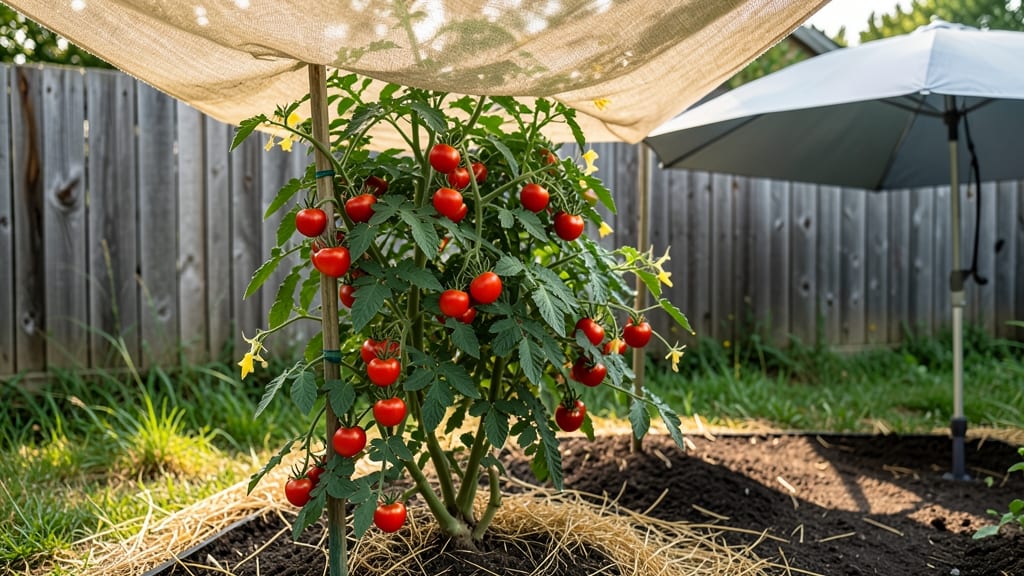
Tomato plants need shade only when full sun turns their leaves to crispy paper 🍅 — but that’s not the whole story.
Picture this: your 6-foot vines drooping by noon, flowers falling off before they set fruit, or fruit that’s sunburned and mealy. That’s not a lack of shade—it’s too much heat without the right balance.
The trick isn’t avoiding sun entirely but managing it, especially in Zone 6a summers where temperatures can spike.
Most tomatoes thrive with 6-8 hours of direct sun, but afternoon shade in peak heat can save your harvest. I’ll show you how to spot sun stress, when to pull back the shade cloth, and which tricks keep your plants productive without stunting growth.
From drip irrigation hacks to trellis positioning, you’ll learn the game-changer techniques that turn scorched plants into prolific producers—without sacrificing flavor or yield.
 Best Window Placement
Tomato sun requirements: how much light do they really need?
Tomatoes are sun worshippers—they thrive with 6-8 hours of direct sunlight daily. Without enough light, their growth stalls, and fruit production plummets. But here’s the catch: too much scorching midday sun can cause leaf scorch and blossom drop.
The key is balancing light exposure with climate conditions to keep your plants productive and healthy.
In hot climates (Zones 8-10), afternoon shade becomes critical to prevent heat stress. Even in cooler regions, morning sun paired with afternoon shade can boost fruit quality. Understanding your local microclimate—like urban heat islands or coastal breezes—helps fine-tune sunlight strategies for your tomatoes.
🌱
Signs your tomatoes aren’t getting enough sun include yellowing leaves, long, leggy stems, and small, pale fruits. These symptoms often appear when plants receive less than 4 hours of direct light.
Conversely, leaf scorch (brown, crispy edges) or sunburned patches signal too much exposure, especially in high-desert or urban heat zones.
Seasonal adjustments are key. In spring and fall, tomatoes can handle full sun all day as temperatures moderate. But during peak summer heat, providing 30-50% shade cloth in the afternoon can prevent stress while maintaining productivity.
Even dappled shade from nearby trees (like oak or maple) works if the canopy isn’t too dense.
For container growers, south-facing windowsills or greenhouse setups ensure adequate light, but supplement with grow lights (12-14 hours/day) if natural light drops below 4 hours. Indoor tomatoes often produce smaller fruits due to limited light, so rotate containers weekly for even exposure.
Heat-tolerant varieties like ‘Solar Fire’ or ‘Heatmaster’ handle intense sunlight better than heirlooms, but they still need consistent moisture to prevent stress. Pair these with mulch or reflective barriers to reduce soil heat and improve root health.
🌿
If your tomatoes show signs of blossom drop (flowers falling off), it’s often a heat stress response. This happens when daytime temps exceed 90°F (32°C) or nighttime temps stay above 75°F (24°C).
To mitigate this, use shade cloths, drip irrigation, and evening watering to lower leaf temperatures. Avoid overhead watering, which can increase fungal risks in humid climates.
Pro tip: Prune lower leaves to improve airflow and reduce heat buildup near the fruit. This also helps prevent diseases like early blight, which thrive in hot, humid conditions. Combine this with regular harvesting to encourage new flower sets and keep plants productive throughout the season.
Best shade solutions for hot climates: temporary vs. permanent options
When summer heat turns your tomato plants into crispy leaf skeletons, strategic shade becomes your best friend. The key is balancing sunlight needs (6-8 hours daily) with heat protection—without sacrificing fruit production.
Temporary solutions like shade cloths offer flexibility, while permanent structures provide long-term relief. Let’s break down the best options for your climate.
For immediate relief, drip irrigation shade cloths (30-50% shade) are my go-to. They’re lightweight, easy to install, and can be rolled up when temps drop. Pair them with reflective mulches like white gravel or aluminum foil to bounce back heat.
This combo keeps roots cool while maintaining airflow—critical for preventing blossom end rot.
| Shade Solution | Shade % | Ease of Use | Cost | Durability |
|---|---|---|---|---|
| Shade Cloth (30-50%) | 30-50% | ⭐⭐⭐⭐⭐ | $$ | High (1-2 years) |
| Reflective Mulch | N/A (indirect) | ⭐⭐⭐⭐ | $ | Very High (multi-year) |
| DIY Trellis + Mesh | 20-40% | ⭐⭐⭐ | $ | Medium (1 year) |
| Permanent Pergola | 30-60% | ⭐⭐ | $$$ | Very High (decades) |
For permanent shade, consider a DIY trellis system with woven shade mesh. Position it to filter midday sun (11 AM–3 PM) while allowing morning/evening light. My go-to hack: Use bamboo stakes and lightweight mesh for a low-cost, adjustable setup.
Just ensure the mesh doesn’t block airflow—tomato plants need that for pollination!
If you’re planting heat-tolerant varieties like ‘Solar Fire’ or ‘Heatmaster,’ you can push shade to 20-30% during peak heat. But for standard varieties, 40% shade cloth is your sweet spot. Pro tip: Hang it 3-4 feet above the plants to avoid trapping humidity, which invites fungal diseases like early blight.
For container gardens, move pots to east-facing spots during July-August. Pair with a lightweight shade umbrella (20-30% shade) for portability. And remember: evening watering (after 6 PM) keeps soil cool overnight—critical for root health in 100°F+ climates.
My top recommendation? Combine a 30% shade cloth with white mulch for a two-pronged approach. It’s cost-effective, easy to adjust, and keeps your tomato plants thriving without stunting growth. Just avoid over-shading—tomatoes still need sunlight to set fruit!