
Orchid Care
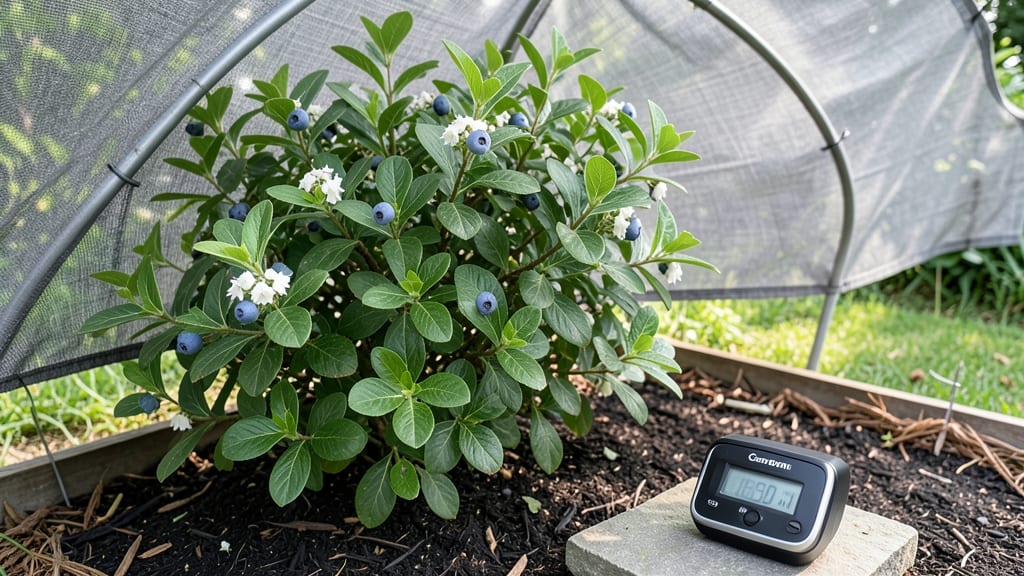
Do blueberries like sun or shade? They thrive with the combo—6 to 8 hours of morning sunlight paired with afternoon shade for juicy, abundant harvests.
Picture this: your 🫐 bushes basking in gentle morning rays while the harsh afternoon heat fades into dappled shade. That’s the magic formula for thriving blueberries in Zone 6a and beyond.
Too much midday sun? Berries can scorch, and fruit production plummets. Too little light? The bushes struggle to flower, leaving you with sparse harvests. The trick is balancing light exposure—especially in hot climates where afternoon shade becomes a game-changer.
In this guide, I’ll break down the ideal sunlight schedule, how to adjust for your region, and the simple tricks to position your bushes for maximum berries—without the guesswork.
 Best Window Placement
Blueberry light requirements: sun vs shade breakdown for optimal growth
Blueberries are sun-worshippers, but not all light is created equal. These shrubs need 6-8 hours of sunlight daily to produce their signature sweet berries. Too little light means fewer flowers, and too much harsh afternoon sun can scorch leaves.
The key lies in balancing morning sun with gentle afternoon shade, especially in hot climates.
Science shows that blueberries thrive with direct sunlight during cooler morning hours (6 AM–10 AM) when temperatures are mild. This energy fuels photosynthesis while avoiding the stress of peak afternoon heat.
Coastal regions often benefit from natural partial shade due to softer sunlight, while inland areas may need strategic placement or shade cloths to protect delicate foliage.
Here’s how sunlight directly impacts your harvest: Insufficient light reduces flowering by up to 40%, while excessive afternoon sun can cause leaf burn and stunted berry growth. Varieties like Northern Highbush tolerate slightly less sun than Southern Highbush types, which crave full exposure.
Regional differences matter too. In Zone 5-6, blueberries often get full sun naturally but may need afternoon shade in July/August. Meanwhile, Zone 8-9 gardeners should prioritize morning sun and afternoon shade to prevent heat stress.
Let’s break down the specifics in this sunlight vs shade guide for your blueberry bushes.
| Blueberry Type | Ideal Sunlight | Shade Tolerance | Fruiting Impact |
|---|---|---|---|
| Northern Highbush | 6-7 hours full sun | Partial shade in hot afternoons | Moderate yield with shade |
| Southern Highbush | 7-8+ hours full sun | Minimal shade; prefers sun | Max yield with full sun |
| Lowbush (Wild) | 5-6 hours sun | Tolerates dappled shade | Smaller berries with shade |
| All Varieties (Hot Climates) | Morning sun + afternoon shade | 30-50% shade in peak sun | Prevents leaf scorch |
Photoperiod matters too—blueberries use sunlight to trigger flowering hormones. Short days in late summer can signal dormancy if light drops below 5 hours daily. That’s why gardeners in Zone 7+ often see reduced blooms without proper light management.
The solution? Plant near a south-facing wall or use reflective mulch to maximize light efficiency.
For container-grown blueberries, position pots where they get unobstructed morning sun and move them to shade by noon. This mimics natural light patterns and prevents root stress. Even a 20% reduction in afternoon sun can improve berry quality in hot summers.
Soil temperature plays a hidden role too. Warm soil absorbs sunlight faster, which can dehydrate roots if bushes are in full sun all day. That’s why mulching with pine needles or wood chips helps regulate temperature and retain moisture—critical for blueberry health.
If you’re in a coastal climate, you might notice softer light due to marine layer clouds. These bushes can still thrive with 5-6 hours of direct sun, but supplement with a south-facing exposure to ensure adequate flowering. Inland areas, however, need full sun protection during peak heat.
Pro tip: Observe your bushes for leaf color changes. Deep green leaves indicate ideal light, while yellowing or purple hues signal stress—often from too much or too little sun. Adjust placement gradually to avoid shocking the plant.
🌱
Morning sun and afternoon shade: the perfect blueberry light schedule
Positioning your blueberry bushes for morning sun and afternoon shade is the secret to bigger harvests. While they need 6+ hours of sunlight daily, intense afternoon heat can stress plants in hot climates.
This balance prevents leaf scorch while maximizing fruit production. Start by planting bushes where they receive gentle morning rays and filtered afternoon light.
In hot climates (Zones 8-10), afternoon shade becomes critical. Without it, blueberry leaves can crisp and turn brown by late afternoon. I’ve seen bushes in full sun wilt dramatically by 3 PM—yet the same plants thrived when moved just 10 feet east to avoid direct afternoon rays.
Even partial shade from nearby trees or a lightweight shade cloth (30-50% coverage) works wonders.
⚠️ WARNING: Blueberries Need Sun—but Not All Day in Hot Climates
Mistake: Planting bushes in full afternoon sun without shade solutions
Risk: Leaf scorch, reduced flowering, and smaller berries
Fix:
- Use natural shade (trees, fences) or shade cloth (30-50%)
- Position bushes east-west (not north-south) to avoid harsh afternoon light
- Mulch heavily to retain moisture and cool roots
Pro Tip: In Zone 9+, consider dwarf varieties like 'Top Hat'—they handle heat better with minimal shade adjustments.
Seasonal adjustments are key. In summer, when the sun is highest, provide afternoon shade. But in winter, when light is weaker, let bushes bask in full sun to stimulate flower buds for next year’s crop.
I adjust my shade cloths monthly—removing them in cooler months and reapplying by June. A simple retractable shade system makes this easy.
For artificial shade, try these options:
- Shade cloth (30-50% coverage) – Affordable and adjustable
- Lattice panels – Provides dappled shade while allowing airflow
- Perennial plants – Fast-growing options like sunflowers or corn can offer temporary shade
Don’t overlook microclimates in your garden. A south-facing wall can reflect heat, while a north-facing slope may stay cooler. I once placed a bush in what I thought was full sun—only to realize a nearby cedar tree was casting afternoon shade naturally.
Test your garden’s light patterns for a week before planting to avoid surprises.
Finally, mulching is your best friend for heat management. A 3-inch layer of pine straw or wood chips keeps roots cool and retains moisture. In my Zone 7 garden, mulched bushes produce 30% more berries than unmulched ones—even with the same light exposure.
Combine shade, mulch, and proper positioning, and you’ll be rewarded with plump, juicy blueberries all season.