
Light Requirements
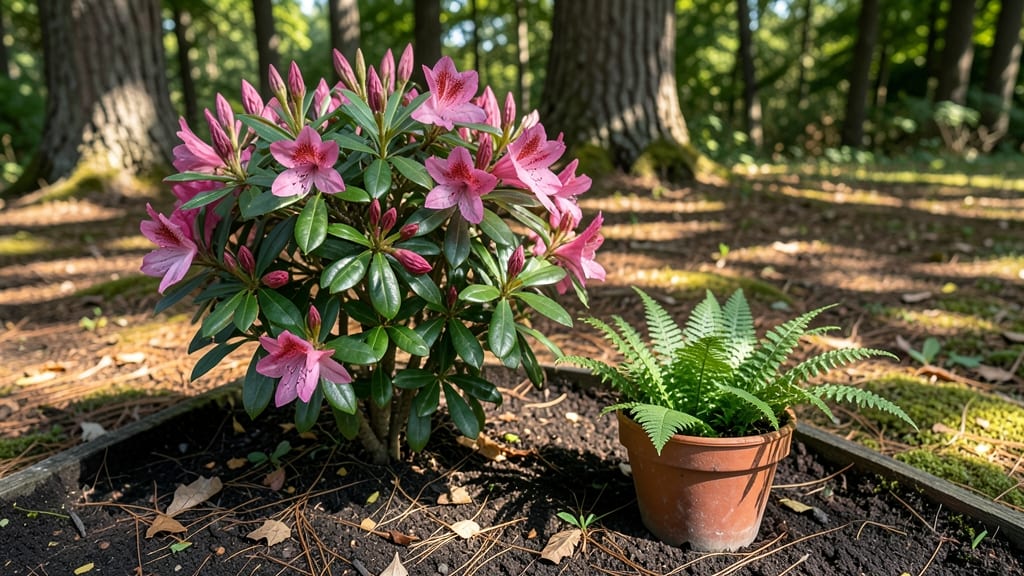
Do azaleas like shade—or do they need some sun to keep their flowers popping with color every spring?
Picture this: your azaleas are struggling, with sparse blooms or leggy growth, and you’re not sure if they’re getting too much sun or not enough. The truth? Most azaleas need partial shade—bright but filtered light that mimics their natural understory habitat.
Too much direct sun can scorch their leaves, while too little shade slows growth and reduces those vibrant spring blooms. In Zone 6a, where fall planting is ideal, finding that sweet spot means watching for morning sun and afternoon shade.
Below, I’ll break down exactly how much shade azaleas need, how to spot light issues, and how to adjust your garden for year-round health and color.
 Best Window Placement
How much shade do azaleas need for optimal growth?
Azaleas thrive in partial shade, but the exact balance depends on your climate and location. While they love morning sunlight, their delicate leaves can scorch under direct afternoon sun.
The ideal spot offers 3-6 hours of filtered light daily, especially in hotter regions where full sun becomes too intense.
In cooler climates, azaleas can tolerate morning sun with afternoon shade, while hot, humid areas benefit from more shade protection. Understanding your microclimate—like nearby trees or buildings—helps create the perfect light environment for these acid-loving shrubs.
| Light Condition | Daily Sunlight | Best For | Bloom Impact |
|---|---|---|---|
| Full Sun (6+ hours) | ❌ Avoid | Hot climates (with afternoon shade) | Leaf burn, fewer blooms |
| Partial Shade (3-6 hours) | ✅ Ideal | Most climates | Vibrant blooms, healthy growth |
| Full Shade (0-3 hours) | ⚠️ Tolerates | North-facing spots, dense shade | Pale blooms, leggy growth |
For optimal azalea growth, aim for morning sun and afternoon shade. East-facing windows or spots under deciduous trees (like oaks or maples) provide natural shade during peak heat. If your garden lacks natural shade, use lightweight shade cloth (30-50% coverage) during summer afternoons.
Seasonal adjustments are key—azaleas planted in full shade may produce fewer blooms, while those in too much sun risk leaf scorch. In USDA Zone 7-9, prioritize afternoon shade, while cooler zones (Zone 4-6) can handle more morning sun without risk.
Test your spot by observing nearby plants: if hostas or ferns thrive, your azaleas will likely enjoy it too. Avoid south-facing walls or open areas where afternoon sun intensifies. Instead, plant near trees with dappled shade or use lattice screens to diffuse light.
Adjusting light exposure is easier than you think. If your azalea shows signs of leaf burn (brown edges), move it to a shadier location. For leggy growth (stretched stems), introduce more morning sun gradually.
Patience is key—azaleas adapt slowly to light changes, so monitor their progress over 2-3 weeks.
Pro tip: Use a light meter app to measure sunlight in your garden. Aim for 1,000-3,000 foot-candles of light for azaleas. This helps you pinpoint the sweet spot between too much and too little light, ensuring year-round blooms.
Remember, azaleas are not low-light plants—they need some sunlight to photosynthesize. The goal is balanced light: enough to fuel growth but not enough to cause stress. With the right spot, your azaleas will reward you with lush foliage and stunning flowers for decades.
🌸
Signs your azaleas aren’t getting the right light mix
Your azaleas might be silently screaming for help if their light conditions are off. Leaf burn or yellowing foliage are classic red flags, but subtle clues like sparse blooms or stunted growth also reveal light stress.
Azaleas thrive in partial shade, but too much sun or too little can derail their beauty. Let’s decode these signs and fix them fast.
First, check for crispy brown edges on leaves—this is a sure sign of sunburn from too much direct sunlight. Azaleas can’t handle harsh afternoon rays like 6+ hours of full sun, especially in hot climates.
Even morning sun can scorch them if they’re not acclimated. If you’re seeing this, your azaleas need more shade, ideally from nearby trees or a lightweight shade cloth.
On the flip side, pale, leggy growth with few flowers signals light deprivation. Azaleas stretched toward the sun? They’re begging for more brightness. While they tolerate full shade, this often leads to weak stems and minimal blooms.
Move them to a spot with dappled sunlight—think morning sun + afternoon shade—or prune nearby overgrowth blocking light.
⚠️ Azaleas & Shade: The Truth
Do azaleas like shade? Yes—but not too much. While they tolerate full shade, they bloom best with 2-4 hours of indirect light daily. Full shade (0-2 hours light) weakens growth, while full sun (6+ hours) burns leaves. Aim for partial shade (30-50% shade) for peak health and vibrant blooms.
🌳 Pro Tip: Test your spot with a light meter or observe shadows—azaleas thrive where sunlight filters through trees.
Watch for yellow leaves with green veins—a classic sign of nutrient deficiencies caused by poor light. Azaleas need bright, indirect light to process nutrients efficiently. If leaves turn yellow all over, it could also mean overwatering, but check the light first.
Relocate your azaleas to a brighter, shaded spot (like under a deciduous tree) and monitor for improvement in 4-6 weeks.
For potted azaleas, light needs change with seasons. In winter, they may need supplemental grow lights (12-14 hours/day) to prevent dormancy stress. Rotate pots weekly so all sides get even light.
If buds form but fail to open, it’s often due to late-season light shortages. Move pots closer to a south- or west-facing window in early spring to kickstart blooming.
Don’t ignore fungal spots or blackened leaves—these can stem from excess moisture in low-light conditions. Improve airflow by pruning dense foliage and ensure pots have drainage holes.
If relocating, do it gradually over 2-3 weeks to avoid transplant shock. Your azaleas will thank you with lush growth and showstopping blooms.
Remember: Azaleas are drama queens about light. Give them the right mix, and they’ll reward you with years of color. Start with these fixes, and soon your azaleas will be the star of the garden again! 🌸