
Shrubs
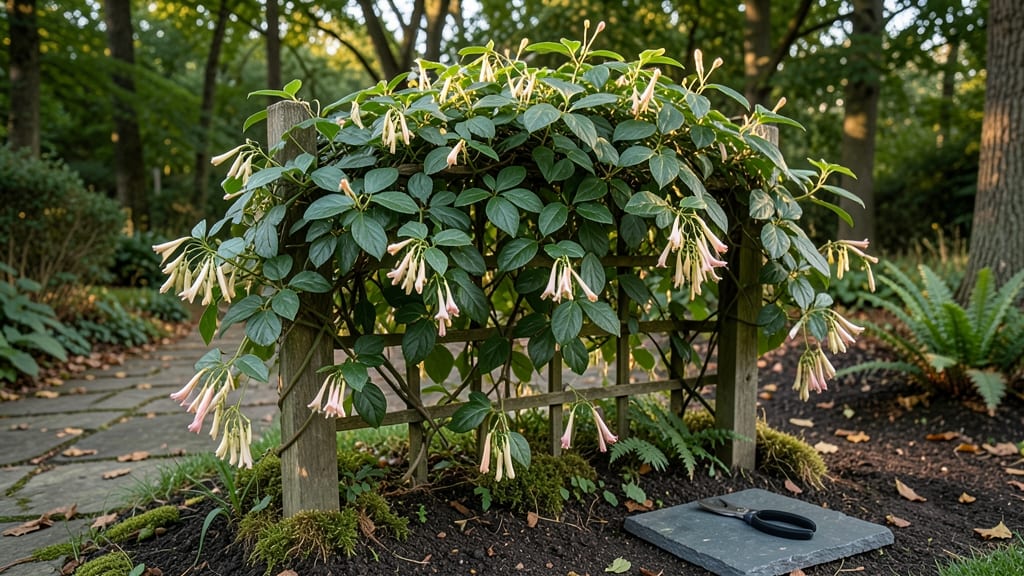
Shade-tolerant creepers transform gloomy corners into lush, living privacy screens. 🌿 I used to think shade meant bare patches—until I discovered plants like ivy and pothos that thrive where sunlight struggles.
These hardy climbers bring texture, color, and life to patios, walls, and tree bases without stealing light from other plants.
The best options? English ivy for classic elegance, creeping fig for fast coverage, or sweet potato vine for vibrant foliage. They all handle low light better than sun-loving vines, and most need only occasional pruning to stay tidy.
Pair them with ferns or hostas for a layered, natural look that feels intentional, not forced.
Within a season, you'll see walls softened, privacy restored, and even dark corners brightened by cascading greenery. The key is choosing plants that match your shade level—deep shade for north walls, partial shade for tree bases—and giving them something sturdy to climb or trail over.
Works for urban balconies, country patios, or under mature trees. Here's how to pick the perfect creeping combo for your space—no gardening degree required.
📚 In This Guide
- What you need
- Instructions
- Tips and common mistakes
- Wrapping up and next steps
What you need
- ● Creepers (plants): Choose shade-tolerant varieties like English Ivy (Hedera helix), Star Jasmine (Trachelospermum jasminoides), or Creeping Fig (Ficus pumila). Buy 3–5 healthy plants per 10 feet of space for full coverage.
- ● Growing medium: Well-draining potting mix (50% peat/coir, 30% perlite, 20% compost) for containers.
- ● Amended garden soil (add 2–3 inches of compost or aged manure) for in-ground planting.
- ○ Support structures (optional but helpful): Trellis or fence: Wood, metal, or PVC (4–6 ft tall, spaced 3–4 ft apart).
- ● Ground cover netting: Landscape fabric or biodegradable mesh to suppress weeds.
- ● Digging tools: Trowel (for containers), spade or shovel (for in-ground planting).
- ● Pruning shears: Sharp, sterilized shears for trimming and training vines.
- ● Gloves & knee pads: Protect your hands and joints during planting.
- ● Watering can or hose: With a gentle spray nozzle for moisture control.
- ○ Mulch (optional): 2–3 inches of shredded bark or pine needles to retain moisture.
- ○ Fertilizer (optional): Slow-release balanced fertilizer (10-10-10) or organic options like worm castings.
Step-by-step guide to planting creepers for shade
Here's how to transform dark corners into lush, living privacy screens with shade-loving vines.
🌱 Step 1: Select the Right Creepers for Your Shade Conditions
Not all creepers tolerate low light equally. For deep shade (2-4 hours of filtered light dailyEnglish ivy (Hedera helix) or Boston ivy (Parthenocissus tricuspidata)—both thrive where sunlight barely reaches. For partial shade (4-6 hours of dappled light), star jasmine (Trachelospermum jasminoides) or clematis (Clematis spp.) deliver vibrant foliage and fragrance.
I always check the mature spread of each plant—some creepers like star jasmine grow 10-15 feet annually, while English ivy spreads more slowly (6-12 inches per year). Match your selection to the space: a 6-foot fence needs a moderate grower, while a 12-foot wall demands a vigorous climber. Avoid sun-loving creepers like wisteria or passionflower—they’ll yellow and die in shade.
🪴 Step 2: Prepare the Planting Site and Support Structure
Creepers need sturdy support to climb, so install trellises, arbors, or wire mesh before planting. For wooden trellises, space vertical slats 6-8 inches apart to allow vines to grip naturally. If using wire mesh, stretch it horizontally in a grid pattern with 12-inch squares—this gives roots and tendrils purchase. Bury the base 6 inches deep in the soil to prevent wind damage.
Amend the planting area with 2-3 inches of compost mixed into the top 12 inches of soil. Shade-loving creepers often struggle in dense, compacted soil. Work in a handful of slow-release fertilizer (10-10-10 ratio) to give roots a nutrient boost without burning tender foliage. Avoid fresh manure—it can scorch roots and attract pests in low-light conditions.
💧 Step 3: Plant and Train the Creepers for Optimal Growth
Dig a hole twice as wide as the root ball but only as deep—planting too deep suffocates roots. Gently loosen the root ball if it’s tightly bound, then place the creeper in the hole and backfill with native soil mixed with 1 inch of compost. Water deeply to settle the soil and eliminate air pockets. For bare-root plants, soak roots in lukewarm water for 30 minutes before planting to revive them.
Train the main stem along the support structure immediately. Use soft garden twine or plant ties to guide the vine upward, securing it at 12-inch intervals. Avoid metal staples—they can cut into stems as the plant thickens. In the first 4-6 weeks, water twice weekly to encourage root establishment. You’ll know it’s thriving when new leaves emerge darker and glossier than the nursery stock.
☀️ Step 4: Maintain Light, Water, and Pruning for Year-Round Privacy
Shade creepers still need bright, indirect light—position them where they receive the most filtered sunlight possible. If leaves start yellowing between veins, it’s a sign of low iron (common in shade). Treat with a chelated iron supplement every 4-6 weeks in spring and summer. Mulch with 2-3 inches of shredded bark to retain moisture and regulate soil temperature.
Prune in late winter or early spring before new growth begins. Remove dead or crossing branches first, then cut back overly leggy growth by one-third to encourage bushier, denser foliage. For evergreen creepers, a light trim in mid-summer prevents them from becoming too dense and blocking light to lower leaves. Always sterilize pruners with rubbing alcohol to prevent disease spread.
⏰ Step 5: Seasonal Care for Long-Term Privacy Success
In spring, fertilize with a balanced, slow-release fertilizer (10-10-10) when new growth appears. For deciduous creepers like clematis, apply a high-phosphorus fertilizer (5-10-5) to boost flowering. Fall is the time to protect tender creepers—mulch heavily with 4-6 inches of straw before the first frost to insulate roots. In winter, check for ice damage and gently brush off accumulation to prevent stem breakage.
Watch for pests like spider mites (common in dry shade) or scale insects (which thrive on stressed plants). Treat infestations early with neem oil spray—it’s organic, effective, and won’t harm beneficial insects. If your creeper stops growing or leaves develop brown edges, it’s often a sign of overwatering or poor drainage. Adjust your watering to once weekly unless the top 2 inches of soil feel dry**.
Tips & tricks for perfect shade creepers
Transforming dark corners into thriving privacy screens starts with these key insights that'll make all the difference in your shade gardening success.
Light Assessment: Before selecting your creepers, spend a week observing your space during the 2-4 hour windows when filtered light reaches it. Use a simple light meter app on your phone to track intensity—most shade-loving creepers thrive in 1,000-2,000 foot-candles of indirect light. I've found that north-facing walls often receive the most consistent shade, while east-facing areas get morning sun that can stress sensitive varieties like Boston ivy.
Support System Stability: The 6-inch deep burial for your trellis base is non-negotiable for wind resistance. For taller structures over 8 feet, add diagonal bracing between the main posts—this prevents swaying that can snap tender vines during storms. I learned this the hard way when a summer thunderstorm toppled my 12-foot arbor after just one growing season. Use galvanized metal hardware for connections rather than wood screws, as they resist rust and provide better tension.
Root Revival Technique: That 30-minute soak for bare-root plants isn't just about hydration—it's about breaking dormancy. Warm the water to 65-70°F and add a tablespoon of honey or molasses to stimulate root growth. This simple step can double your establishment success rate, especially for slow starters like clematis. I've seen plants that would have struggled for weeks take root in just 10 days with this pre-treatment.
Pruning Precision: When you're cutting back one-third of leggy growth in late winter, always make your cuts just above a leaf node where new buds form. This encourages bushier growth rather than long, sparse vines. For evergreens like English ivy, that mid-summer trim should focus on the outer edges—this prevents light deprivation for lower leaves while maintaining density. I sterilize my pruners with rubbing alcohol between cuts to prevent spreading fungal spores that thrive in humid shade conditions.
Pro Tips for Creepers For Shade
- Transforming dark corners into thriving privacy screens starts with these key insights that'll make all the difference in your shade gardening success.
- Light Assessment: Before selecting your creepers, spend a week observing your space during the 2-4 hour windows when filtered light reaches it.
- Support System Stability: The 6-inch deep burial for your trellis base is non-negotiable for wind resistance.
Frequently asked questions
Got questions about using creepers for shade?
You’re not alone! Here are answers to the most common concerns to help you create a lush, private oasis—even in low-light spots.
What are the best creepers for deep shade?
Opt for hardy, low-light-tolerant varieties like English Ivy (Hedera helix), Star Jasmine (Trachelospermum jasminoides), or Sweet Potato Vine (Ipomoea batatas). These thrive in dappled or filtered shade (1–4 hours of sun) and offer dense coverage. For full shade (<1 hour of sun), try Hosta or Liriope—though they’re slower-growing.
How long does it take for creepers to provide full shade?
Patience is key! Most creepers take 1–3 years to fully cover a trellis or fence. Fast growers like Sweet Potato Vine may reach 10+ feet in a season, while slower options like Ivy take 2–3 years. Prune regularly to encourage bushier growth and fill gaps faster.
Do creepers need extra care in shady spots?
Yes! Shade can slow growth, so keep soil moist (but not soggy) and fertilize lightly in spring. Mulch with organic matter (like compost) to retain moisture and nutrients. Avoid overwatering—root rot is a common issue in poorly draining shade gardens. A balanced, slow-release fertilizer (10-10-10) every 6–8 weeks helps.
Can I use creepers instead of a privacy fence?
Creepers are a cost-effective, natural alternative to fences, offering privacy without the hassle of construction. Install a sturdy trellis, pergola, or wire mesh (at least 6–8 feet tall) for support. Combine with other shade-loving plants (like Bamboo or Arborvitae) for extra density.
What pests should I watch for with shade-loving creepers?
Shady, humid conditions attract slugs, aphids, and spider mites. Slugs love Ivy and Hosta—use beer traps or diatomaceous earth to deter them. Spray aphids off with water or apply neem oil. For mites, increase airflow around plants. Regularly inspect leaves (especially undersides) for early signs of infestation.
What if my creepers stop growing in shade?
Slow growth in shade is normal, but check these fixes:
- Light: Ensure it’s filtered shade (e.g., under trees), not deep shade (e.g., north-facing walls). Some creepers need at least 1–2 hours of indirect light daily.
- Soil: Amend heavy clay or compacted soil with compost to improve drainage and nutrient uptake.
- Pruning: Trim back leggy growth to encourage bushier, more vigorous regrowth.
Wrapping up and next steps
Transforming your low-light garden into a lush, private sanctuary is easier than you think! Creepers like English ivy, Honeysuckle, and Clematis are perfect for adding dense shade and beauty without demanding full sun.
These hardy plants thrive in partial shade, offering both privacy and aesthetic appeal—ideal for cozy corners or secluded patios.
Ready to take the next step? Start small—plant a few creepers in pots or along a trellis, then expand as you see their potential! 🌿 With a little patience and care, your garden will soon feel like a serene escape. Happy gardening!