
Orchid Care
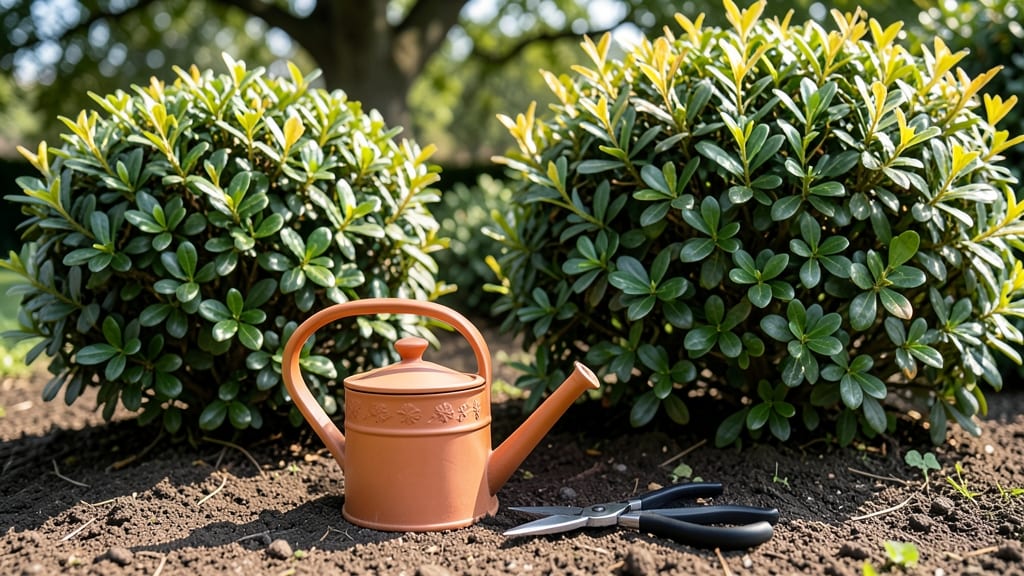
Boxwoods thrive in sun or shade with the right care 🌿 — the key is understanding how their light needs shift through the seasons and adjusting your approach.
Struggling to keep your boxwoods lush and healthy year-round? The battle between sun and shade can make or break their growth—here’s how to strike the perfect balance.
Too much direct afternoon sun? You’ll spot crispy leaf edges or bleached patches by summer. Too little light, and your boxwood will stretch awkwardly, losing that dense, manicured look. The trick is giving them morning sun and protecting them from harsh afternoon rays, especially in hotter zones.
In this guide, I’ll break down the ideal light conditions, how to spot stress signals, and the best boxwood varieties for sun or shade. You’ll learn how to adjust watering, pruning, and even soil prep to keep your boxwoods thriving no matter where you plant them.
 Best Window Placement
Optimal sunlight requirements for boxwoods: how much light do they need?
Boxwoods are one of the most versatile shrubs in any garden, but their sunlight needs can vary dramatically depending on the variety. While some thrive in bright, filtered light, others can handle full sun exposure—if given the right care.
Understanding these differences is key to keeping your boxwoods lush and healthy year-round. I’ve grown boxwoods in everything from deep shade gardens to sun-drenched borders, and the results speak for themselves.
Most boxwoods prefer partial shade, meaning they need protection from the harsh afternoon sun, especially in hot climates. However, some varieties—like Buxus sempervirens 'Suffruticosa'—can tolerate full sun if kept well-watered.
The trick is balancing light exposure with soil moisture and pruning habits to avoid common issues like sunburn or leggy growth. Let’s break down the specifics so you can tailor your care to your boxwood’s needs.
The Buxus sempervirens variety, for example, is the most common boxwood and handles partial shade beautifully, making it ideal for understory plantings or near tall trees. However, if you plant it in full sun, you’ll need to water it more frequently and mulch to retain moisture.
I once had a Green Velvet boxwood in a sunny border that nearly died from sunburn—until I moved it to a spot with only morning light and added a thick layer of mulch.
For Korean boxwoods, the story is different. These varieties are far more drought-tolerant and can handle full sun exposure without wilting, as long as the soil drains well. I’ve seen Buxus microphylla thrive in hot, dry climates where English boxwoods would crisp at the edges.
The key is choosing the right variety for your light conditions and adjusting your care routine accordingly.
If your boxwood is in low-light conditions, you’ll notice slower growth and fewer new leaves. To compensate, I recommend using a balanced fertilizer in early spring and keeping the soil consistently moist. In high-light situations, focus on deep watering and pruning to encourage dense foliage.
Over time, your boxwood will adapt, but it’s crucial to monitor its response to light changes—especially during the first growing season.
One of my biggest mistakes was assuming all boxwoods could handle full sun. I planted a Green Velvet in a south-facing bed and watched in horror as the leaves turned brown and crispy. After moving it to a shadier spot and increasing watering, it recovered within a few weeks.
This experience taught me to always match the variety to the light and never assume one size fits all.
Seasonal adjustments are also critical. In summer heat, boxwoods in full sun may need daily watering, while those in shade can stretch out and become leggy. A light pruning in late summer helps maintain shape and encourages denser growth.
In winter, boxwoods in full sun are less likely to suffer from winter burn
Signs your boxwoods are stressed: sun vs. shade damage and fixes
Boxwoods are resilient shrubs, but even they struggle when sunlight conditions aren’t just right. Too much direct sun can scorch their delicate leaves, while insufficient light leads to weak, leggy growth. Recognizing these stress signals early helps you adjust care before damage becomes permanent.
Start by inspecting your boxwood’s foliage for yellowing leaves or brown, crispy edges. These are classic signs of sunburn, often appearing on leaves exposed to harsh afternoon rays. On the flip side, pale, sparse leaves and stunted growth suggest the plant isn’t getting enough light to photosynthesize properly.
⚠️ callout warning
If you spot bronzing leaves or leaf drop, your boxwood is already suffering. Act now: Move it to dappled shade (like under tall trees) or provide afternoon shade cloth if in full sun. For shade-stressed plants, gradually introduce morning sun over 2-3 weeks to avoid shock.
Pro Tip: Mulch with 2-3 inches of organic mulch to regulate soil temperature and retain moisture, reducing stress from extreme conditions.
For sun-damaged boxwoods, trim affected leaves immediately to encourage new growth. Focus on removing brown or wilted foliage while keeping the plant’s natural shape. Prune in early spring or late fall to avoid stressing the plant further during extreme temperatures.
If your boxwood is shade-stressed, consider relocating it to a sunnier spot with at least 4-6 hours of filtered light. Avoid abrupt moves—acclimate it slowly by increasing light exposure by 1 hour per week. Supplement with a balanced fertilizer (10-10-10) to boost energy production.
Prevent future stress by choosing the right boxwood variety for your garden’s light conditions. Dwarf varieties like 'Green Velvet' thrive in shade, while taller types such as 'Winter Gem' handle full sun better. Always plant in well-draining soil to avoid root stress from soggy conditions.
Regularly monitor your boxwood’s growth patterns and adjust its location or care as seasons change. In summer heat, provide extra morning watering to keep roots cool, while in winter, protect it from desiccating winds with burlap wraps if needed.