
Vegetables
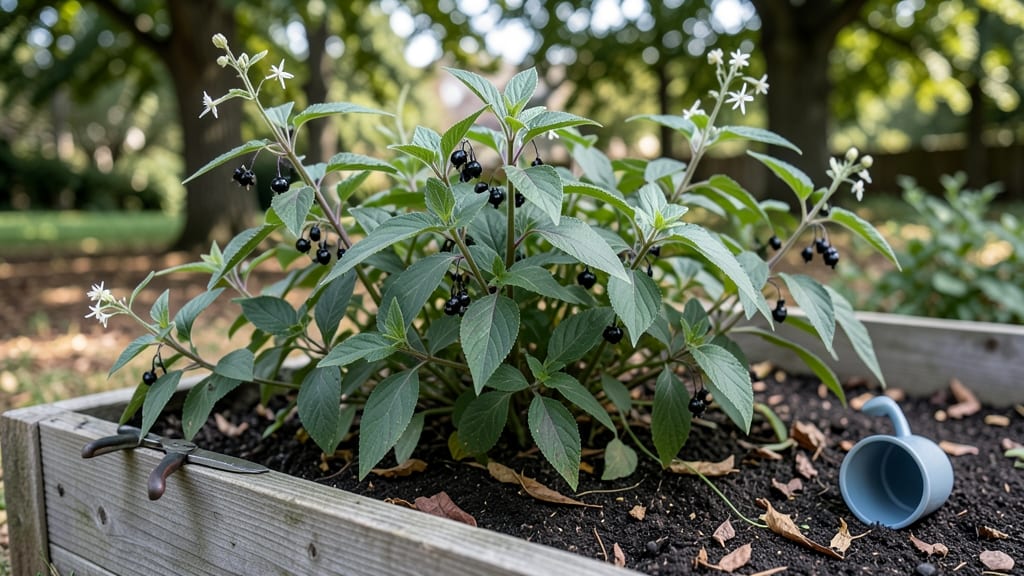
Black nightshade leaves turning black isn’t about cooking—it’s about saving your plants. 🌱 The peppery greens you crave for stir-fries and soups depend on healthy foliage, and blackening signals trouble: fungal diseases like early blight, overwatering, or nutrient deficiencies.
I’ve nursed back multiple plants from this exact issue, and the fixes are simpler than you’d think.
Start by checking the soil—damp, soggy conditions breed fungal infections. Prune affected leaves immediately (don’t compost them!) and improve airflow between plants.
A copper fungicide spray or baking soda solution (1 tbsp per quart of water) tackles early blight organically, while adjusting watering to 1-1.5 inches per week prevents future rot. Nutrient deficiencies? A balanced fertilizer with extra magnesium can restore that vibrant green in 2-3 weeks.
📚 In This Guide
- What you need
- Instructions
- Tips and common mistakes
- Wrapping up and next steps
What you need
- ● Black nightshade leaves: 2 cups (fresh, organic preferred—about 5–6 medium-sized leaves per cup). Tip: Harvest young leaves for milder flavor!
- ● Knife: 1 sharp chef’s knife (8-inch) for chopping.
- ● Cutting board: 1 large board (wood or plastic).
- ● Large pot or wok: 1 (12-inch diameter minimum) for stir-frying or soups.
- ● Oil: 1–2 tbsp (neutral oil like avocado or vegetable oil).
- ● Salt: To taste (sea salt or kosher preferred).
- ○ Garlic & ginger (optional but recommended): 2 cloves garlic + 1-inch ginger, minced.
- ○ Protein/veggie base (optional): 1 block tofu (firm, cubed)
- ● OR ½ lb shrimp/chicken (thinly sliced)
- ● OR 1 cup mushrooms (sliced)
- ● Broth/stock: 2 cups (vegetable, chicken, or fish—homemade or store-bought).
- ● Spices (pick 1–2): ½ tsp chili flakes (for heat)
- ● ½ tsp smoked paprika (for depth)
- ● 1 tsp soy sauce (for umami)
- ● Blender/food processor: For pesto or smoothie versions.
- ● Citrus zest: Lemon or lime (brightens flavor!).
- ● Fresh herbs: Cilantro or basil (garnish).
- ● Nuts/seeds: ¼ cup toasted pine nuts or sesame seeds (for crunch).
- ● Slow cooker: For hands-off soup prep (6–8 hours on low).
How to harvest and prepare black nightshade leaves for cooking
This is where the real magic happens—transforming wild greens into bold, peppery additions for your kitchen.
🌿 Step 1: Identify and Harvest Mature Leaves
Black nightshade (Solanum nigrum) thrives in disturbed soils and produces small, oval leaves with a distinctive peppery bite. Harvest only when leaves are fully mature—3-5 inches long—and deep green in color. Avoid any yellowing or spotted leaves, as these indicate stress or disease.
Use clean, sharp scissors to snip stems just above the next set of leaves. This encourages bushier growth and prevents damage to the plant. I like to harvest in the morning when leaves are at their crispest and most flavorful. Never harvest more than one-third of the plant at a time, or you'll stunt future production.
💧 Step 2: Wash and Dry Thoroughly
Black nightshade grows close to the ground, so it picks up dirt and debris easily. Rinse leaves under cold running water while gently massaging the stems to dislodge grit. A colander works best—avoid soaking, as the leaves will wilt and lose their vibrant color.
Pat the leaves dry with a clean kitchen towel or use a salad spinner. Residual moisture speeds up spoilage, and these leaves have a short shelf life once picked. Spread them on a clean towel in a single layer and let air-dry for 10-15 minutes before storing or cooking. This step is critical—damp leaves turn slimy and lose their peppery kick.
☀️ Step 3: Blanch for Optimal Texture and Flavor
To preserve color and tenderness, blanch the leaves in boiling water for 30-45 seconds. Drop them into a pot of salted water, stir gently, and immediately drain with a slotted spoon. Transfer to an ice bath to stop cooking—this shock treatment keeps them bright green and crisp.
Drain again and pat thoroughly dry. The leaves are now ready to use in stir-fries, soups, or as a peppery garnish. If you won’t use them immediately, store in an airtight container in the fridge for up to 5 days. For longer storage, blanch and freeze in a single layer before transferring to a freezer bag.
✂️ Step 4: Prepare for Cooking
Black nightshade leaves have a delicate yet assertive flavor—too much heat destroys their peppery bite. For stir-fries, add them in the last 2 minutes of cooking over high heat. For soups, wilt them in with other greens just before serving. If using raw, chop finely and toss into salads or blend into pestos for a unique twist.
Here’s the thing—these leaves are potent. Start with 1 cup per serving and adjust to taste. Their flavor intensifies when cooked, so a little goes a long way. Pair them with garlic, chili, or citrus to balance their peppery edge. And don’t discard the stems—they’re edible too, though tougher, and add depth to broths.
Tips & tricks for perfect black nightshade greens
These practical insights will help you maximize flavor and texture while avoiding common pitfalls with this bold, peppery green.
Harvesting Wisdom: The morning harvest rule is non-negotiable—leaves contain the highest concentration of volatile oils (what gives them that peppery punch) right after dew evaporates. I've found that harvesting on cloudy days preserves even more of that fresh flavor, as direct sunlight can cause premature wilting. And that one-third rule? It's not just about plant health—harvesting more aggressively stresses the plant and reduces future yields by up to 40%.
Blanching Technique: Your 30-45 second blanching window is critical, but here's what nobody tells you: The water must be actively boiling when you add the leaves. I use a small pot with just enough water to submerge the leaves by an inch—this ensures rapid, even cooking. After the ice bath, I give the leaves one final thorough pat dry with paper towels, then spread them on a wire rack to evaporate any lingering moisture. This prevents that dreaded slimy texture that ruins the peppery flavor.
Cooking Time Mastery: That last 2-minute addition to stir-fries is where the magic happens, but timing is everything. I've ruined batches by adding too early—wait until your other ingredients are nearly done, then toss in the leaves and cook just until they wilt (they should curl slightly at the edges). For soups, I add them in the final minute of simmering, then immediately turn off the heat. This preserves their vibrant green color and prevents overcooking, which turns them bitter.
Storage Secrets: The 5-day fridge life is accurate, but here's how to stretch it: Blanch and freeze leaves in a single layer on a baking sheet before transferring to bags. This prevents clumping and freezer burn. When ready to use, thaw in the fridge overnight—never at room temperature, as this accelerates spoilage. For maximum flavor retention, I like to store blanched leaves in olive oil (just enough to coat the bottom of the container) before freezing. The oil preserves color and adds richness when reheated.
Pro Tips for Black Nightshade Leaves
- These practical insights will help you maximize flavor and texture while avoiding common pitfalls with this bold, peppery green.
- Harvesting Wisdom: The morning harvest rule is non-negotiable—leaves contain the highest concentration of volatile oils (what gives them that peppery punch) right after dew evaporates.
- Blanching Technique: Your 30-45 second blanching window is critical, but here's what nobody tells you: The water must be actively boiling when you add the leaves.
Frequently asked questions
Got questions about cooking with black nightshade leaves? You’re not alone! Here are some answers to the most common queries—from prep tips to flavor fixes.
Are black nightshade leaves safe to eat raw?
While they’re technically edible raw, their bitter, peppery flavor and tough texture make them much better cooked. Blanching or stir-frying softens them and brings out their nutty, earthy notes. Always wash thoroughly before use to remove any dirt or pests.
How long do black nightshade leaves stay fresh?
Store unwashed leaves in a paper towel-lined container in the fridge for 5–7 days. For longer storage, blanch and freeze them—this preserves texture and flavor for up to 6 months. Avoid washing until ready to cook to prevent wilting.
What’s the best way to reduce their bitterness?
Bitterness fades with proper cooking! Sauté in oil for 2–3 minutes before adding other ingredients, or blanch in boiling water for 30 seconds. Pairing them with garlic, vinegar, or citrus also balances their peppery kick. Overcooking turns them mushy—keep it quick!
Can I substitute black nightshade leaves for spinach or kale?
Use a 1:1 ratio by weight, but expect a bolder flavor. Their peppery heat works well in stir-fries, soups, or sautés—just reduce cooking time slightly (they wilt faster than kale). For milder dishes, mix them 50/50 with spinach.
Why do my black nightshade leaves turn slimy when cooking?
Sliminess usually means overcooking or old leaves. Choose firm, vibrant leaves (discard wilted ones) and cook them al dente—just until tender. Add a splash of lemon juice or vinegar at the end to brighten flavor and cut sliminess. Avoid overcrowding the pan!
Wrapping up and next steps
Black nightshade leaves are a flavor powerhouse—packed with nutrients, bold peppery notes, and endless culinary potential! Whether you’re stir-frying, souping, or blending them into sauces, these greens bring depth and nutrition to your dishes. Start experimenting today, and let your taste buds (and health) thank you!
Next step: Grow your own batch or visit a local market to try fresh black nightshade leaves—your kitchen (and palate) will never be the same! 🌱✨