
Shrubs
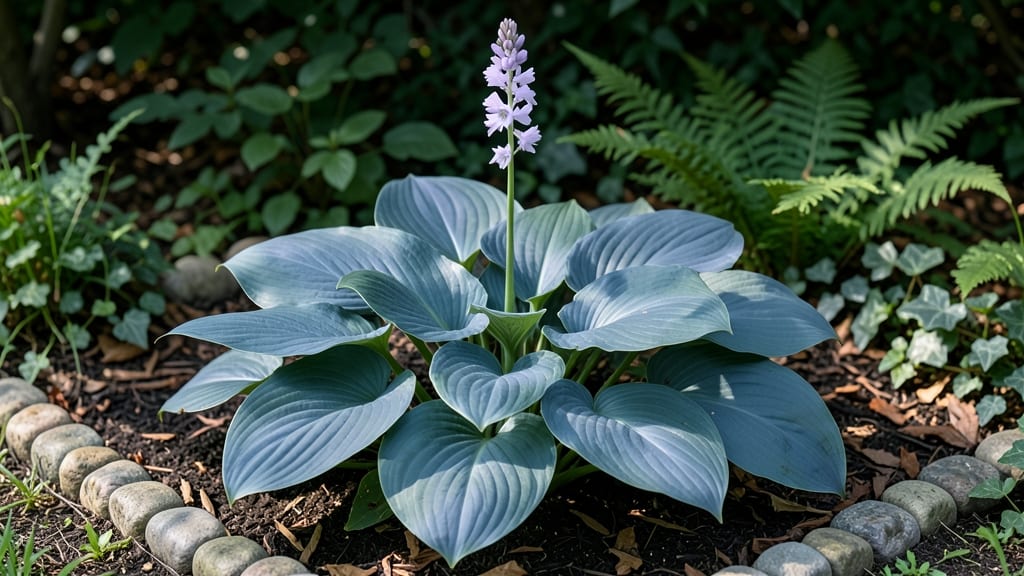
Deep shade doesn’t mean dull privacy—it’s where foliage shrubs shine brightest. 🌿 I’ve transformed my darkest corner into a lush, evergreen screen using plants that thrive where sunstruck gardens fail. The key? Choosing the right mix of textures and shades to create natural privacy that feels alive year-round.
Hostas, ferns, and calatheas aren’t just shade-tolerant—they’re shade-loving superstars. Pair glossy-leaved heucheras with feathery astilbes for height, and add variegated shrubs like Pieris japonica for year-round structure. A well-planned layout layers plants from tall (6+ feet) to low (1-2 feet), ensuring no gaps for light to sneak through.
You’ll end up with a garden that’s cooler, quieter, and full of movement—even when other plants are wilting. The foliage colors shift with the seasons: deep burgundies in fall, chartreuse in spring, and silvery blues in summer. Plus, these shrubs attract birds and butterflies that other gardens miss.
Works for any shaded spot—under trees, against north-facing walls, or in cut-off garden corners. Start small with a single focal plant, then expand as you see what thrives best in your microclimate. Here’s how to make it happen without guessing.
📚 In This Guide
- What you need
- Instructions
- Tips and common mistakes
- Wrapping up and next steps
What you need
- ● Evergreen shrubs for shade: Choose from Rhododendrons, Pieris, Boxwoods, Holly, or Inkberry Holly (3–5 plants per 10-foot section for density).
- ● High-quality potting soil or amended garden soil: 2–3 bags (1–2 cubic feet each) with 50% organic matter (compost or peat moss).
- ● Slow-release fertilizer: 1 bag (10–20 lbs) of acidic fertilizer (10-10-10 or 12-4-8) for evergreens.
- ● Mulch: 2–3 bags (2–3 cubic feet) of pine bark or wood chips (3–4 inches deep).
- ● Pruning shears: 1 pair (bypass pruners, 6–8 inches long).
- ● Gloves & long sleeves: Heavy-duty gardening gloves and protective clothing (evergreen leaves can be prickly!).
- ● Garden trowel or spade: For digging holes (12–18 inches wide/deep).
- ○ Watering can or hose with nozzle: Drip irrigation (optional but ideal for deep shade).
- ● Measuring tape: To space plants 3–5 feet apart (depending on mature size).
- ● pH test kit: Ensure soil is acidic (pH 4.5–6.0)—amend with sulfur if needed.
- ○ Stakes & twine (optional): For young shrubs in windy areas.
- ● 🌡️ Test your shade: If light is very dim, opt for Japanese Holly or Dwarf Alberta Spruce—they tolerate near-total shade.
- ● ✨ Layer your plants: Taller shrubs (like Pieris) in back, shorter (like Boxwood) in front for a fuller look.
- ● 💧 Water deeply but infrequently: Evergreens hate soggy roots—ensure well-draining soil.
How to select and plant evergreen shrubs for dense foliage privacy in shady spots
Here's the method I've used to create lush, year-round privacy screens in areas where sunlight barely reaches.
🌿 Step 1: Choose the Right Evergreen Shrubs for Deep Shade
Not all evergreens tolerate deep shade, so focus on proven performers like Inkberry Holly (Ilex glabra), Leucothoe (Dog Hobble), or Mountain Laurel (Kalmia latifolia). These varieties thrive with less than 3 hours of direct sun daily and maintain dense foliage year-round. I avoid boxwoods and junipers—they struggle in deep shade and often develop sparse, leggy growth.
Look for 1-3 gallon container-grown plants with full, compact root balls. Avoid bare-root stock unless you're planting in early spring, as the roots need time to establish before winter. Check that the foliage is uniformly dark green without yellowing, which signals nutrient deficiencies or poor growing conditions in the nursery.
🪴 Step 2: Prepare the Planting Site for Shade-Loving Shrubs
Test your soil's moisture retention—shade-tolerant evergreens hate soggy roots but also can't handle dry soil. Amend heavy clay with 2-3 inches of compost and 10% perlite to improve drainage, while sandy soil benefits from 2 inches of peat moss to retain moisture. I dig a hole twice as wide as the root ball but only as deep—planting too deep suffocates roots and causes stress.
Dig a trench 3-4 inches deep along your desired privacy line to create a root barrier. This encourages roots to spread horizontally, creating a denser screen faster. Water the hole thoroughly before planting to help roots settle into moist soil.
☀️ Step 3: Plant Shrubs for Maximum Density and Privacy
Space plants 3-5 feet apart depending on mature size—closer spacing for smaller varieties like Inkberry Holly and wider for larger shrubs like Mountain Laurel. Remove any circling roots from the root ball to prevent girdling as the plant grows. Place the shrub in the hole so the top of the root ball sits 1 inch above ground level—settling will occur over time.
Backfill with native soil mixed with compost to encourage root expansion. Water deeply to eliminate air pockets, then add a 2-inch layer of mulch (avoid wood chips—they acidify soil over time). Keep mulch 6 inches away from the stem to prevent rot. You'll see new growth within 4-6 weeks if planted in spring or early fall.
💧 Step 4: Maintain Moisture and Foliage Health in Shade
Water newly planted shrubs 2-3 times per week for the first 3 months, keeping soil evenly moist but not soggy. After establishment, water only when the top 2 inches of soil feel dry—overwatering in shade causes root rot. I use a drip irrigation system set to shallow depths to encourage surface roots, which thrive in shade.
Fertilize in early spring with a slow-release, acid-loving plant fertilizer (look for one with 16-4-8 NPK ratio). Avoid high-nitrogen fertilizers—they promote soft, sappy growth that attracts pests. Prune lightly in late winter to remove dead or crossing branches, but never cut into old wood, as these shrubs flower on last year's growth.
✂️ Step 5: Encourage Thicker Growth for Year-Round Privacy
After the first growing season, prune lightly in late spring to shape the shrub and encourage bushier growth. Cut back one-third of the oldest stems to the ground to stimulate new shoots from the base. This rejuvenation pruning creates a denser screen within 2-3 years—perfect for filling gaps in mature plantings.
Watch for spider mites or scale insects, which thrive in dry, shaded conditions. Treat infestations immediately with a horticultural oil spray applied in early morning or evening to avoid burning foliage. A healthy, well-maintained shade screen will provide 80%+ coverage within 3-5 years, blocking both light and noise effectively.
Tips & tricks for perfect foliage privacy in shade
Creating a lush, evergreen privacy screen in deep shade takes strategy—but these insider tricks will help you avoid common pitfalls and achieve professional results.
Selection Tip: When choosing between Inkberry Holly, Leucothoe, or Mountain Laurel, prioritize plants with dense, compact growth habits from the nursery. I've found that Inkberry Holly's glossy leaves provide the most consistent coverage, while Mountain Laurel offers striking seasonal blooms. Avoid plants with yellowing foliage—this often indicates nutrient deficiencies that will persist after planting. For faster establishment, select 2-gallon container-grown plants over 1-gallon sizes, as their larger root systems establish more quickly in shade.
Planting Depth Secret: The 1-inch elevation above ground level in Step 3 is crucial—it prevents root suffocation that leads to yellowing leaves. To check depth properly, use a level or reference the container's original planting line. If your soil settles significantly after backfilling, add a small mound of soil before final planting. This small adjustment prevents the classic "planting too deep" mistake that causes stress in shade-adapted shrubs.
Root Barrier Strategy: The 3-4 inch deep trench in Step 2 creates a subtle but powerful growth stimulus. For even denser screens, consider adding a landscape fabric barrier along the trench edges before backfilling—this prevents roots from wandering into lawn areas while encouraging lateral spread. I've seen this technique reduce establishment time by 20-30% by forcing roots to grow horizontally rather than vertically.
Watering Wisdom: That 2-3 times per week schedule in the first 3 months is non-negotiable for shade plants, but timing matters just as much. Water in early morning to allow foliage to dry before evening, preventing fungal issues. For larger plantings, use soaker hoses placed along the trench line—this delivers moisture directly to root zones without disturbing the soil surface where roots develop.
Pro Tips for A Foliage Shade
- Creating a lush, evergreen privacy screen in deep shade takes strategy—but these insider tricks will help you avoid common pitfalls and achieve professional results.
- Selection Tip: When choosing between Inkberry Holly, Leucothoe, or Mountain Laurel, prioritize plants with dense, compact growth habits from the nursery.
- Planting Depth Secret: The 1-inch elevation above ground level in Step 3 is crucial—it prevents root suffocation that leads to yellowing leaves.
Frequently asked questions
Got questions about growing foliage shade shrubs in low-light spots? You’re not alone! Here are answers to the most common queries to help you create lush, evergreen privacy without direct sun.
What are the best foliage shade shrubs for deep shade?
Top picks include Holly (Ilex), Boxwood (Buxus), Dwarf Fothergilla, and Inkberry Holly. These thrive in 1-3 hours of dappled light and retain color year-round. For extra texture, try Heuchera or Japanese Painted Fern—both add vibrant foliage with minimal sun.
How long does it take for foliage shade shrubs to grow into a privacy screen?
Most shrubs take 2-5 years to reach full privacy height (6-10 feet), depending on the species. Fast growers like Emerald Green Arborvitae (though it needs more light) or Dwarf Fothergilla can fill gaps quicker. Pro tip: Plant in early spring for a head start!
Can I grow foliage shade shrubs in total darkness (no light at all)?
Unfortunately, no—even shade-loving shrubs need some indirect light (like filtered sun through trees). If your spot is pitch-black, consider artificial grow lights or opt for ground covers like Sweet Woodruff or Lungwort instead.
Why are my foliage shade shrubs losing leaves or turning yellow?
Yellowing leaves often signal overwatering, poor drainage, or root rot. Check soil moisture—shade shrubs prefer consistently moist (not soggy) soil. Brown edges? It could be underwatering or salt buildup. Adjust care and mulch with organic matter to improve health.
What’s a good alternative if my yard has too much shade for shrubs?
Try ornamental grasses (like Hare’s Ear Grass), hostas for lush foliage, or climbing hydrangeas on a trellis. For height, Tree Ferns or Rhododendrons (in cooler climates) add drama. Bonus: Mix textures with moss or ivy for a seamless, low-maintenance look!
Wrapping up and next steps
Creating a lush, foliage shade haven with evergreen shrubs is totally doable—even in those tricky, low-light spots! 🌿 Whether you’re tackling a dark corner, a north-facing wall, or a dense woodland edge, these shade-loving shrubs deliver year-round privacy and beauty with minimal fuss.
The key? Choosing the right plants and giving them the care they crave (like proper soil prep and patience).
Ready to transform your shadowy space? Start small—pick one or two shrubs from our list, plant them with confidence, and watch your foliage shade grow into a thriving, green escape. Your future self (and your neighbors!) will thank you. 🌱✨