
Plants
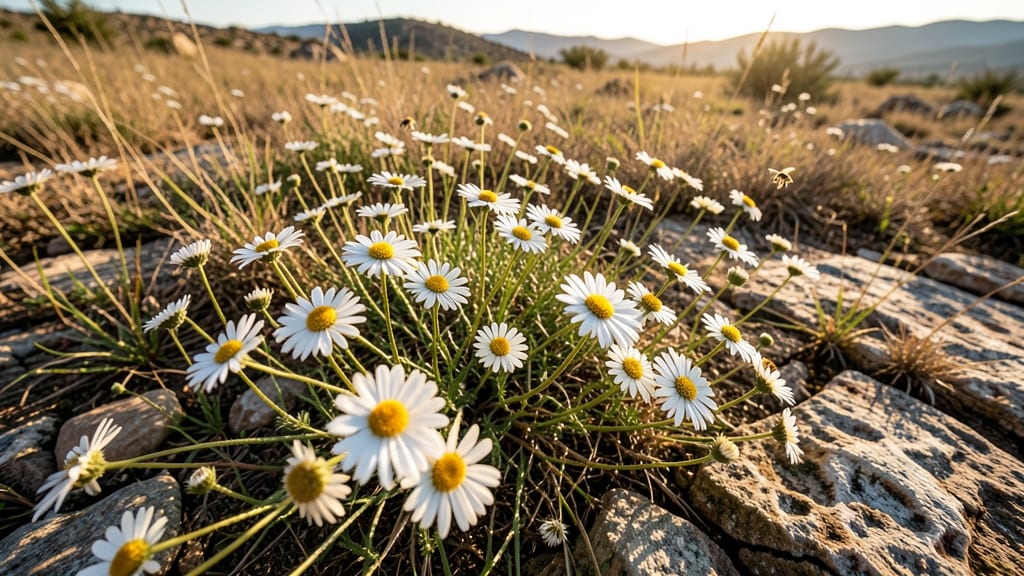
Texas summers demand shade plants that survive brutal heat and drought. These 10 drought-resistant varieties thrive in partial shade, offering beauty and resilience without constant watering or fuss.
Cast Iron Plant (Aspidistra Elatior)
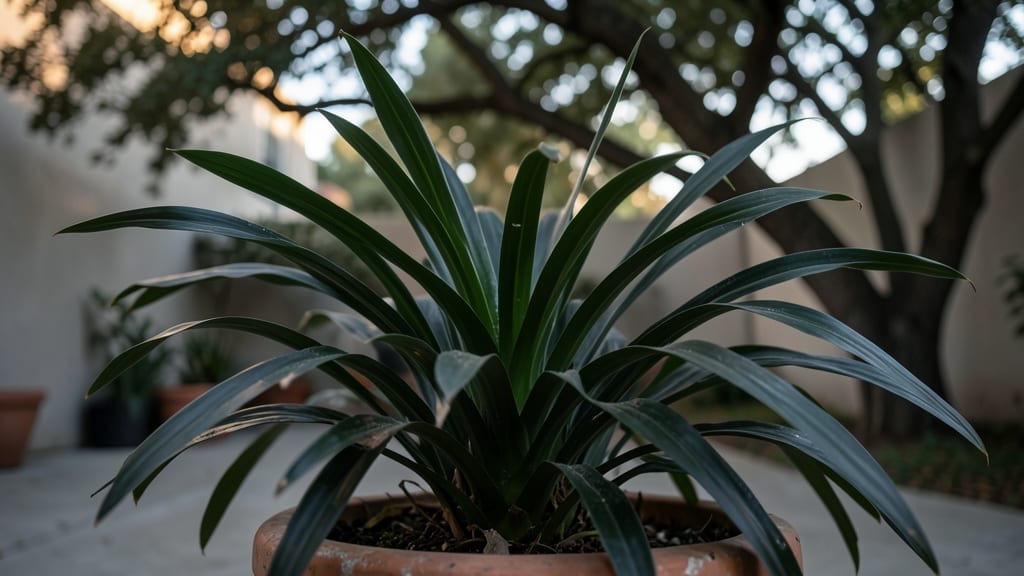
If you’ve ever killed a houseplant within a week, the cast iron plant (Aspidistra elatior) is your lifeline. This near-black-leaved stunner thrives in Texas shade, tolerates foot traffic, and laughs at neglect—making it the ultimate urban courtyard plant.
Native to Asia, this drought-tolerant beauty handles low light, irregular watering, and even indoor air pollution. Its glossy, deep green leaves (almost black under certain light) add drama to shady spots while requiring zero fuss. Perfect for patios, office lobbies, or under oak trees where other plants wilt.
For beginners or busy gardeners, this plant is the ultimate "set it and forget it" choice—just don’t overwater. 💪
Mexican Bush Sage (Salvia Leucantha)
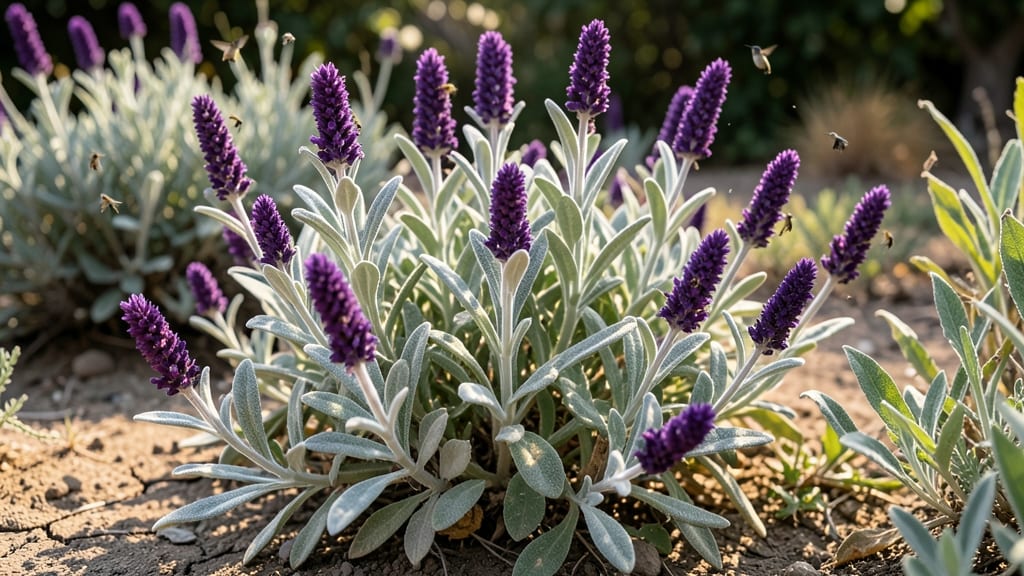
If you love the look of silver foliage but dread high-maintenance plants, Mexican bush sage (Salvia leucantha) is your dream match. This drought-tolerant beauty thrives in partial shade while delivering dramatic purple blooms that hummingbirds and bees adore—making it a pollinator magnet.
Plant it in well-draining soil and water only when the top inch feels dry (about once every 2-3 weeks after establishment). Its velvety leaves and velvety flower spikes create texture that elevates borders or containers, while its heat tolerance makes it perfect for Texas shade gardens. Prune back spent blooms in early spring to encourage fresh growth.
Urban gardeners and pollinator enthusiasts will love how this plant delivers year-round interest with minimal effort. 🌻
Dwarf Fountain Grass (Pennisetum Alopecuroides)
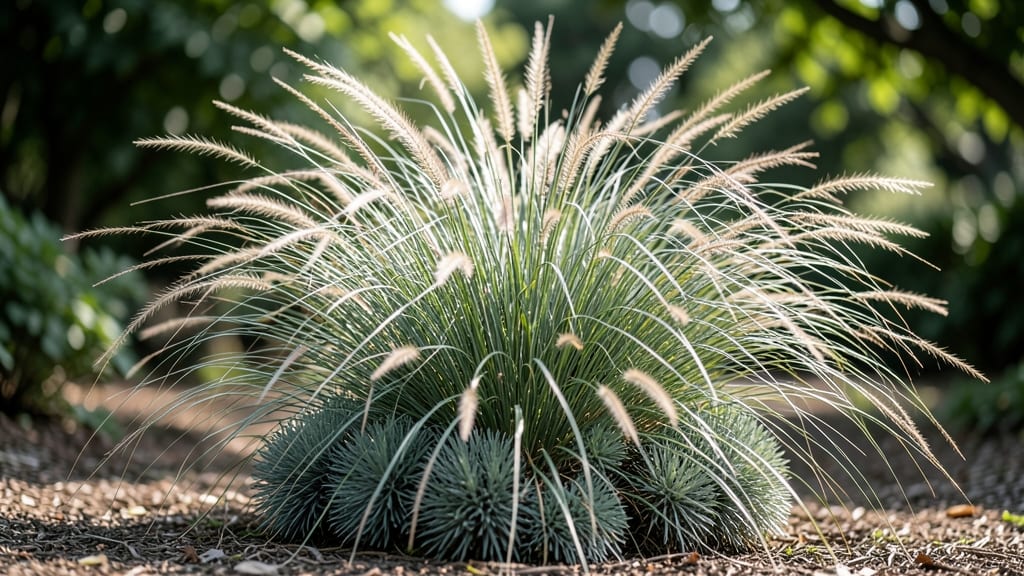
Looking for a low-maintenance plant that adds movement and texture to your shade garden without demanding constant attention? Dwarf fountain grass (Pennisetum alopecuroides) delivers feathery plumes that sway gently in the breeze while thriving in partial shade and drought conditions once established.
This clumping ornamental grass grows just 1–2 feet tall, making it perfect for modern landscapes or as a ground cover alternative to traditional lawns. It tolerates poor soil and requires minimal pruning—simply trim back dead foliage in early spring. The golden or silver plumes create a striking contrast against darker foliage, and it spreads slowly to fill space without becoming invasive.
Urban gardeners and busy homeowners will appreciate how Dwarf fountain grass adds structure and seasonal interest with almost no effort. Plant it in containers or along pathways for a polished, contemporary look. 🌻
Texas Sage (Leucophyllum Frutesii)
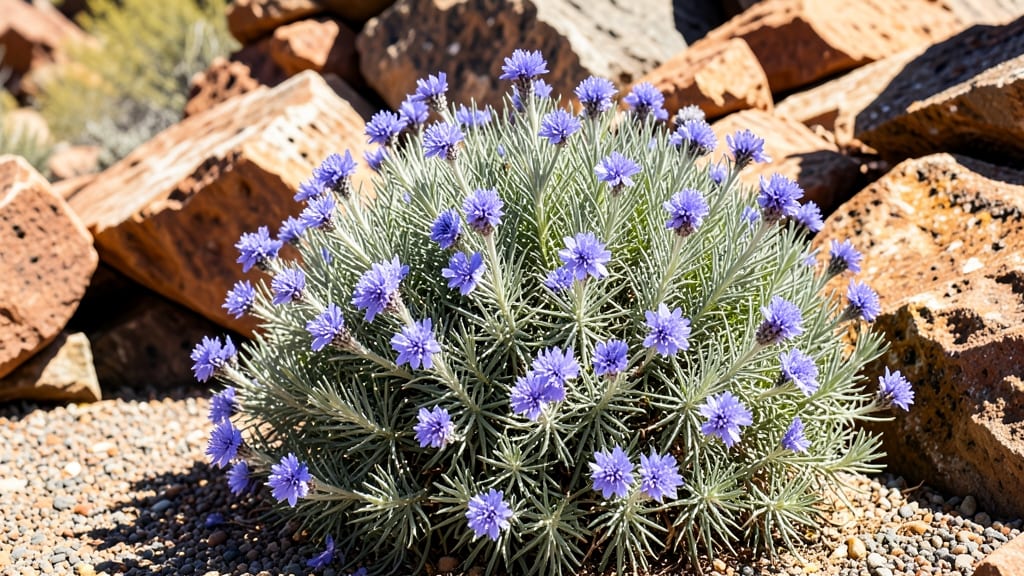
Want a plant that blooms only after a rare Texas rainstorm? Texas sage (Leucophyllum frutesii) delivers stunning lavender-blue flowers as a reward for drought, making it the ultimate low-water statement plant for xeriscapes or rock gardens.
This native shrub thrives in full sun to partial shade and needs water only when newly planted—after that, it’s completely drought-tolerant. Its silvery-green foliage contrasts beautifully with limestone rocks or gravel mulch, while the post-rain blooms create a magical display. Prune lightly after flowering to maintain shape, and watch it attract pollinators without demanding extra care.
Perfect for landscapers or homeowners who want drama with minimal water, Texas sage adds texture and color to arid spaces while supporting local ecosystems. 🌟
Hosta Varieties (Hosta spp.)
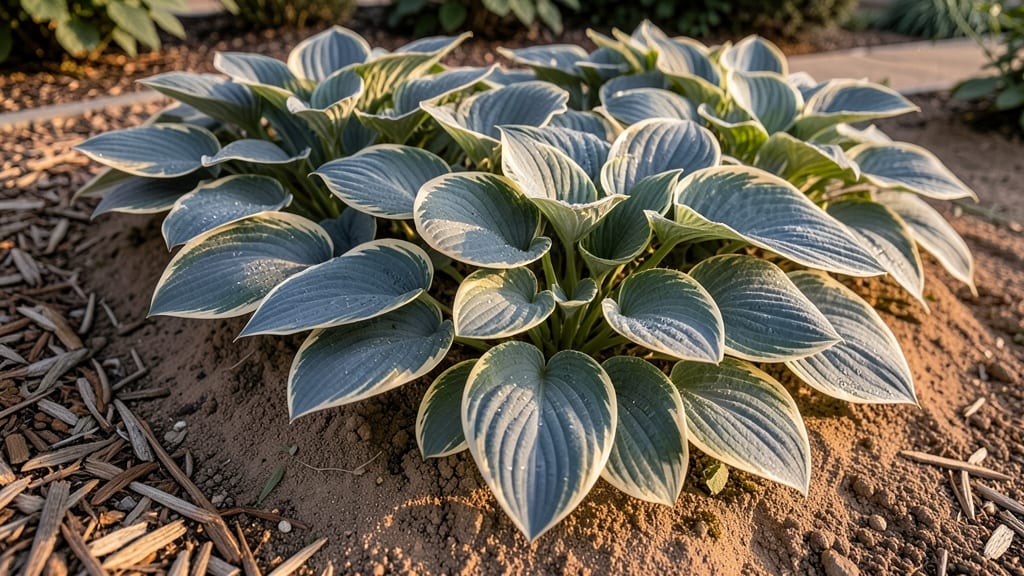
Want to add lush, variegated texture to your Texas shade garden without the fuss of high-maintenance plants? Hosta varieties (like 'Blue Angel' or 'Francee') are your answer—just pair them with well-draining soil to beat the humidity. These perennials thrive in Texas' partial to full shade, their striking foliage (in blues, greens, and yellows) adding drama to woodland gardens or foundation plantings.
For best results, amend heavy clay soil with compost and mulch with wood chips to retain moisture while preventing root rot. Hostas love consistent moisture but hate soggy feet—water deeply once a week during dry spells. Their slow-spreading habit makes them ideal for borders, and deer often leave them alone, giving you a low-stress, high-impact shade solution.
Perfect for gardeners who love bold foliage but hate high-maintenance plants, hostas bring year-round interest with minimal effort once established. 💚
Yaupon Holly (Ilex Vomitoria)
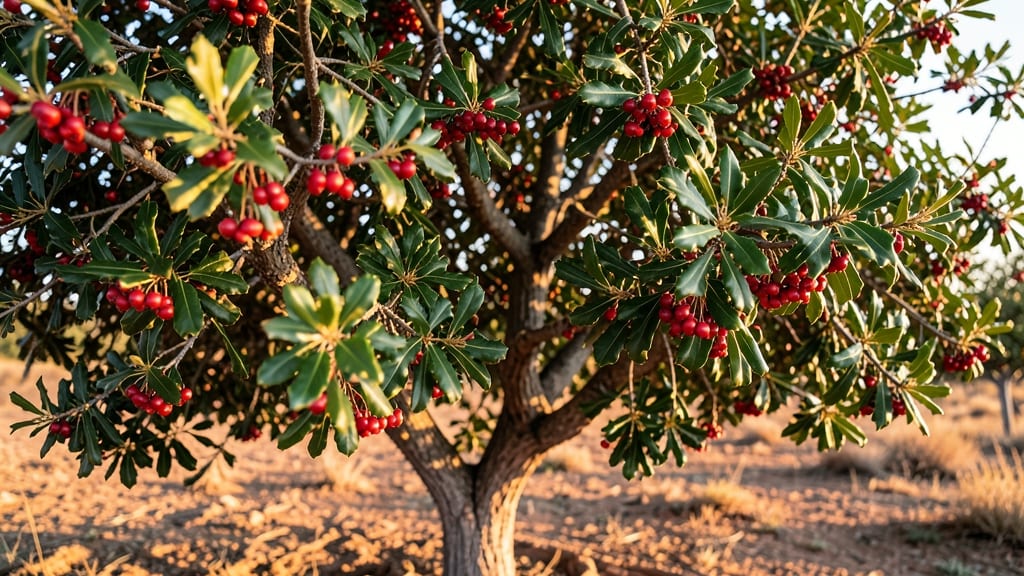
Tired of shade plants that wilt during Texas summers? Yaupon holly (Ilex vomitoria) is the native evergreen that refuses to quit—offering year-round greenery and vibrant red berries while thriving on neglect. Unlike fussy imports, this Texas native handles heat, drought, and poor soil with ease, making it the ultimate low-maintenance shrub.
Plant it in full sun to partial shade and water only during extreme drought (it’s naturally drought-tolerant). Prune lightly in late winter to shape hedges or encourage bushier growth, and watch birds feast on its berries while your neighbors admire its glossy leaves. The ‘Will Fleming’ cultivar even produces variegated foliage for extra visual interest.
Perfect for wildlife gardens, privacy screens, or foundation plantings, Yaupon holly delivers beauty without the work. 🌱
Lantana (Lantana camara)
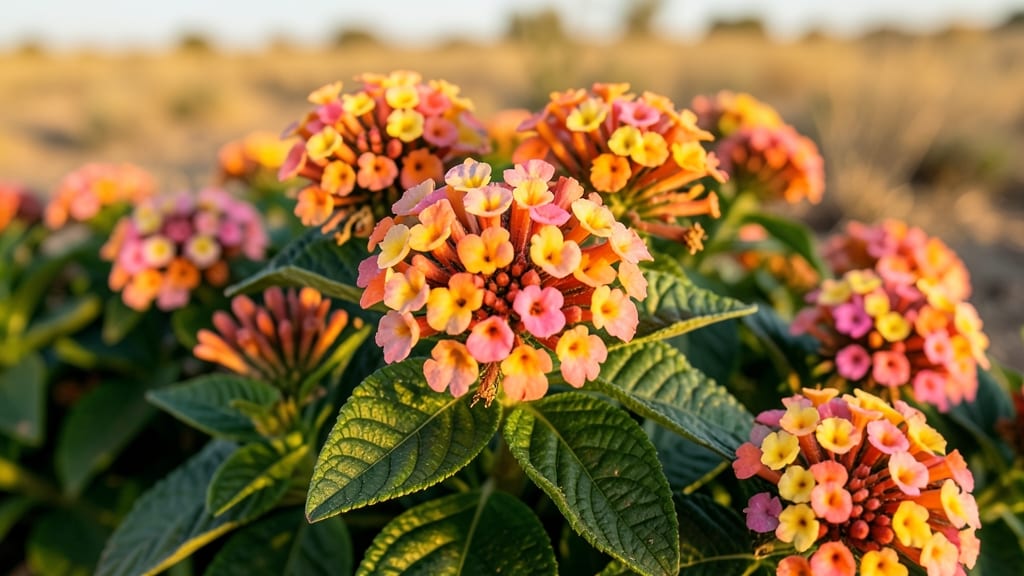
If you want a nonstop floral show that thrives in Texas heat without a drop of extra water, lantana (Lantana camara) is your secret weapon. This drought-proof annual produces clusters of pink, yellow, or orange blooms that attract bees, butterflies, and hummingbirds—making it a pollinator superstar.
Plant it in full sun to partial shade with well-draining soil, and water only when the top inch feels dry (about once every 2 weeks after establishment). Deadhead spent blooms to encourage continuous flowering, and watch it spread into a vibrant ground cover. Lantana’s tough stems resist deer and rabbits, and it self-seeds easily for effortless renewal.
Perfect for urban gardens, pollinator-friendly landscapes, or as a colorful border, lantana turns dull spaces into buzzing, blooming havens with zero fuss. 🌻
Frogfruit (Phyla Nodiflora)
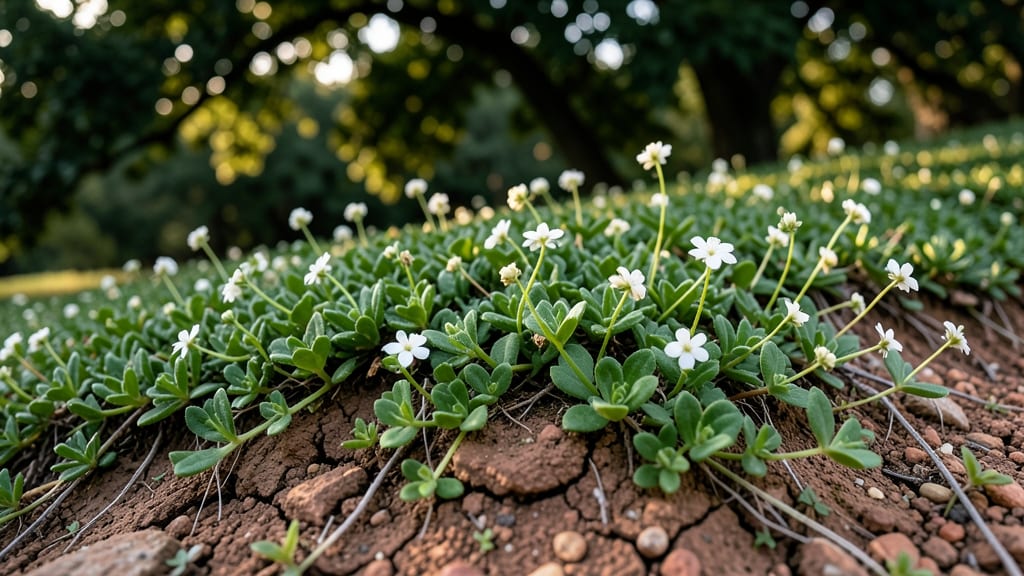
Struggling with erosion on a shady slope or looking for a no-fuss ground cover that thrives in Texas’ poor soil? Frogfruit (Phyla nodiflora) is your secret weapon—a native plant that spreads effortlessly while stabilizing soil and attracting butterflies with its delicate tiny white flowers.
This drought-tolerant perennial handles full shade to partial sun and even tolerates clay or sandy soils, making it perfect for understory planting or erosion-prone areas. Its low-growing habit (6–12 inches tall) creates a lush carpet, while its late-summer blooms provide nectar for pollinators. Simply water occasionally after establishment—it’s built to survive Texas’ harsh conditions.
Ideal for wildlife gardeners or those restoring native landscapes, frogfruit delivers beauty and function without the upkeep of traditional lawns. 🌷
Japanese Fern (Athyrium Niponicum)
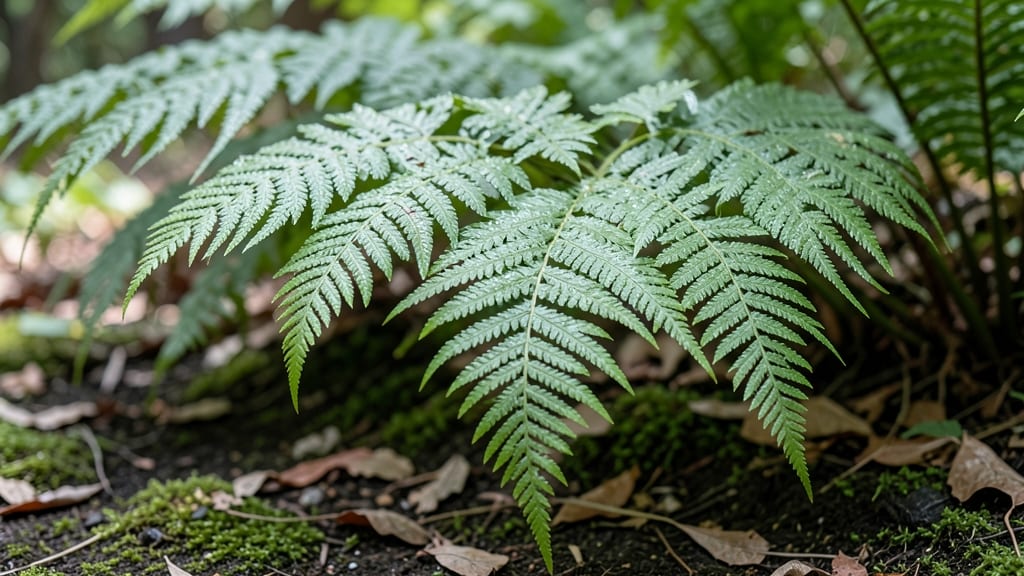
Craving a shade plant that feels like a breath of fresh air in Texas’ humid summers? The Japanese fern (Athyrium niponicum) delivers lacy, arching fronds that thrive in moist but well-drained soil—perfect for woodland gardens or pond edges where other plants struggle. Unlike drought-loving Texas natives, this fern actually prefers consistent moisture but still handles our heat when given the right conditions.
Plant it in partial to full shade with rich, organic soil and mulch with leaf litter to mimic its natural woodland habitat. The delicate, silver-blue fronds create stunning contrast against darker foliage, and it spreads slowly to form elegant clumps. For Texas gardeners, this means no supplemental watering once established—just natural rainfall and dappled shade. It’s also deer-resistant, making it a low-stress choice for rural properties.
Ideal for gardeners who love textural plants but hate high-maintenance shade options, Japanese fern adds a touch of Japanese garden elegance without demanding constant attention. 💚
Blackfoot Daisy (Melampodium Leucanthum)

Want a Texas wildflower that thrives in the heat, spreads effortlessly, and brings bees buzzing to your garden? Meet the Blackfoot daisy (Melampodium leucanthum), a native beauty that turns dry, rocky spaces into cheerful meadows with almost no work from you. Its daisy-like white blooms with yellow centers create a cottage-garden charm while requiring less water than most lawns.
This drought-tolerant wildflower handles full sun to partial shade and self-seeds prolifically, creating natural drifts over time. Plant it in well-draining soil and water only during extreme drought—once established, it’s completely self-sufficient. The pollinator magnet quality makes it a must for wildlife gardens, while its low-growing habit (1–2 feet tall) fits perfectly in rock gardens or wildflower meadows.
Perfect for beginner gardeners or anyone craving a low-maintenance, native solution, Blackfoot daisy turns forgotten corners into blooming havens with minimal effort. 🌻