
Companion Plants
Transform your shady porch into a lush, vibrant retreat with these 10 shade-loving plants that not only thrive together but also complement each other’s growth habits and aesthetics. Perfect for gardeners with limited sunlight, these combinations ensure year-round color and texture without competition for resources.
Heuchera Coral Bells Varieties
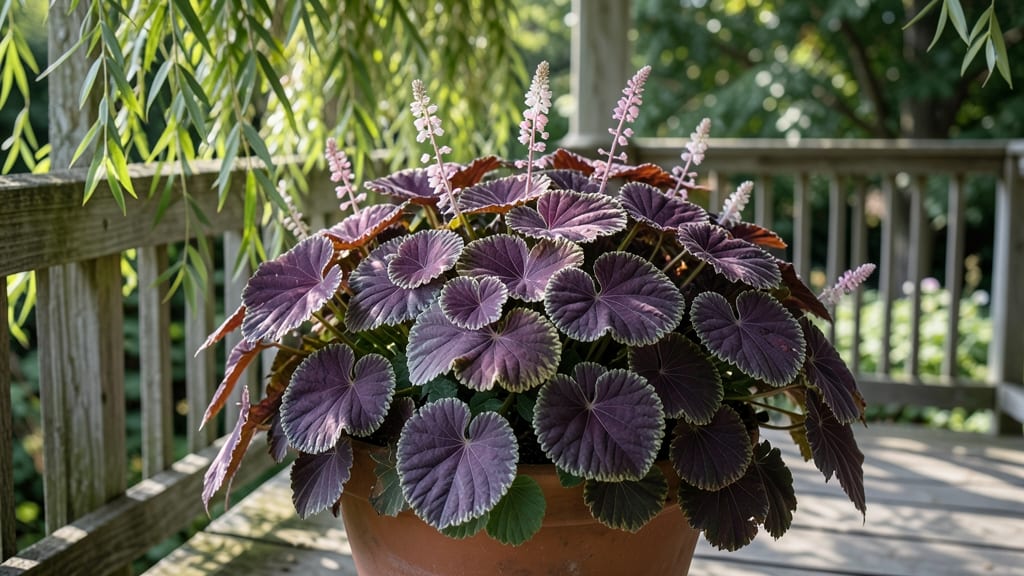
Looking for a shade-loving plant that delivers bold color and texture without demanding constant attention? Heuchera Coral Bells varieties are your answer—these perennials thrive in partial to full shade, making them perfect for porches where sunlight is scarce.
With foliage in shades of deep purple, lime green, or fiery orange, they create stunning visual contrast in containers or borders. Their compact, clumping habit cascades beautifully over edges, while their low-maintenance nature means you’ll spend less time fussing and more time enjoying their vibrant hues. Pair them with ferns or hostas for a lush, layered look that stays fresh all season long.
Busy gardeners will love how Heuchera tolerates drought once established and requires minimal pruning. Whether you’re dressing up a window box or filling a shady corner, these shade stars bring effortless elegance to your porch. 💚
Ferns: Boston Fern and Maidenhair
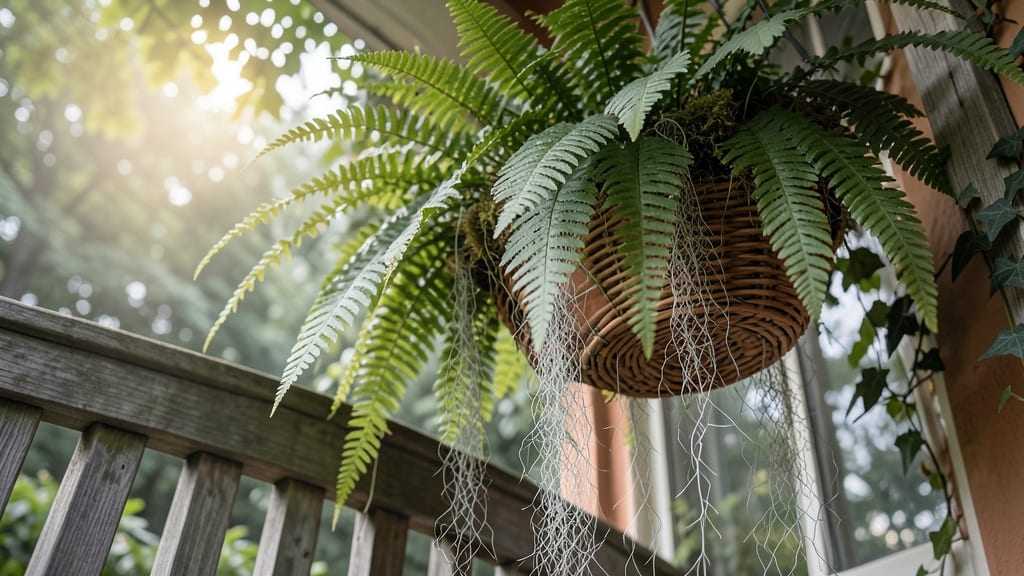
Transform your shady porch into a serene oasis with Boston ferns and Maidenhair ferns, two of nature’s most elegant shade specialists. Their delicate, feathery fronds create a dramatic vertical effect in hanging baskets or window boxes, instantly softening urban spaces while purifying the air.
Boston ferns thrive in indirect light and love consistently moist soil—perfect for urban porches where humidity lingers. Maidenhair ferns, with their lace-like fronds, prefer slightly drier conditions and add a refined touch to mixed containers. Both tolerate low-light conditions better than most plants, making them ideal for north-facing porches or covered patios.
These ferns aren’t just pretty—they’re natural air filters, removing airborne toxins while adding a touch of old-world charm. Urban gardeners and small-space enthusiasts will love how they fill vertical spaces without competing for sunlight. 🌿
Hostas with Variegated Leaves
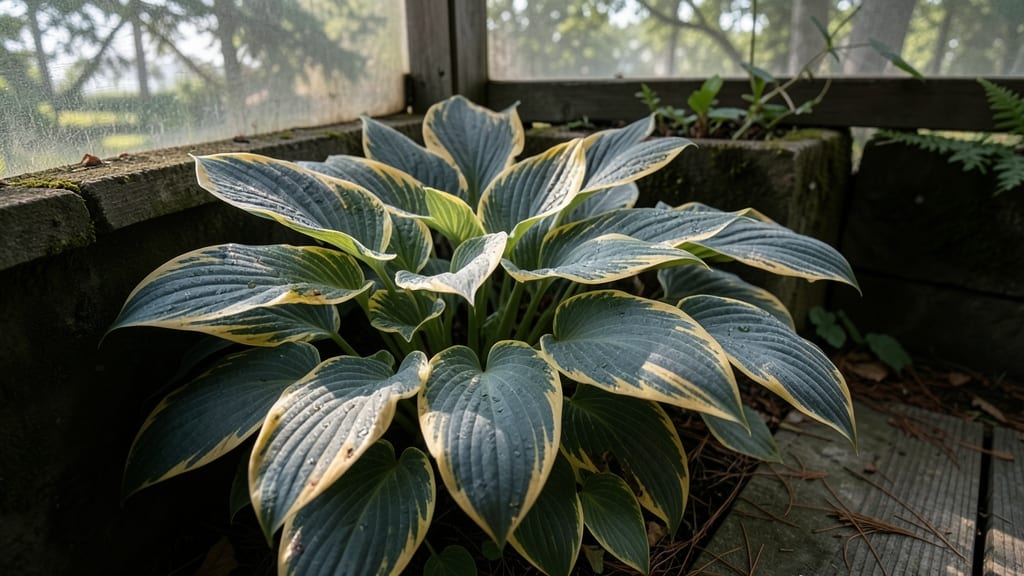
Skip the sun-chasing chase—variegated hostas thrive where others falter, turning shady porches into textured foliage gardens with minimal effort. Their striking blue-green and gold leaves create a luxurious contrast that brightens even the dimmest corners, making them the ultimate shade workhorse.
These perennials adapt seamlessly to containers or garden beds, requiring only partial to full shade and consistently moist (but not soggy) soil. For a polished look, pair them with ferns or astilbes—their layered heights create visual depth while their care needs align perfectly. Mulch around the base to retain moisture and deter weeds, and watch as their bold patterns remain vibrant through all four seasons.
Perfect for urban gardeners with limited space or beginners craving low-maintenance drama, hostas deliver year-round interest with almost no upkeep. Their deer-resistant nature is just the cherry on top! 💚
Impatiens Annual Flowers
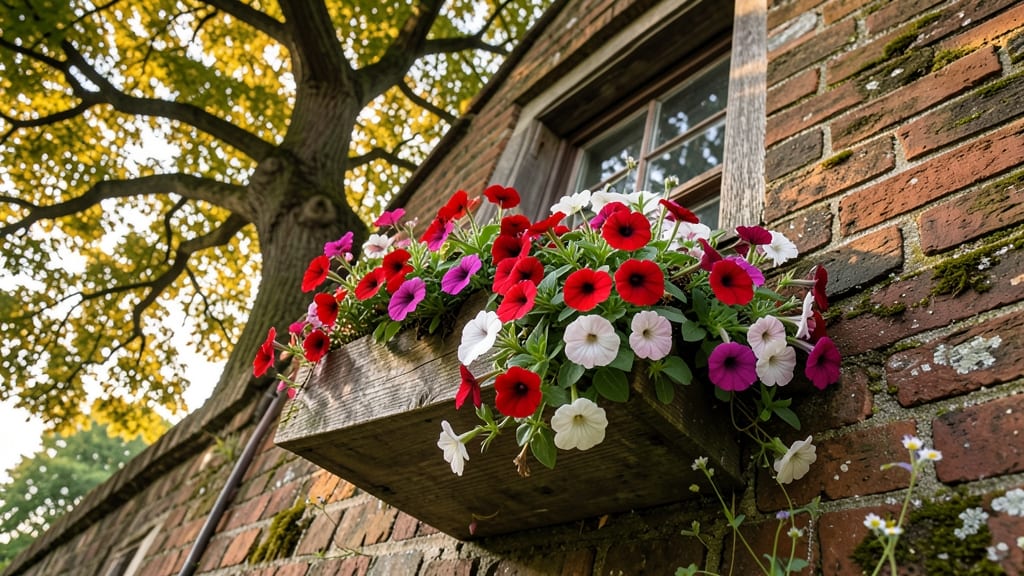
Want to inject instant color into your shady porch without the fuss of perennials? Impatiens are the secret weapon for bright, blooming cheer from spring until frost. These compact annuals thrive in partial to full shade, making them perfect for window boxes where sunlight barely reaches.
Available in vibrant hues like pink, red, orange, and white, impatiens produce nonstop blooms when planted in well-draining soil and kept consistently moist. Their trailing habit creates a waterfall effect when spilling over container edges, while their tolerance for humidity makes them ideal for enclosed porches. For maximum impact, mix them with hostas or ferns—the foliage contrast will make your containers pop.
Urban gardeners and small-space enthusiasts will love how impatiens deliver instant gratification with minimal care. Just snip spent blooms to encourage more flowers, and watch as your shady porch transforms into a lively, colorful retreat. 🌻
Caladiums for Tropical Flair
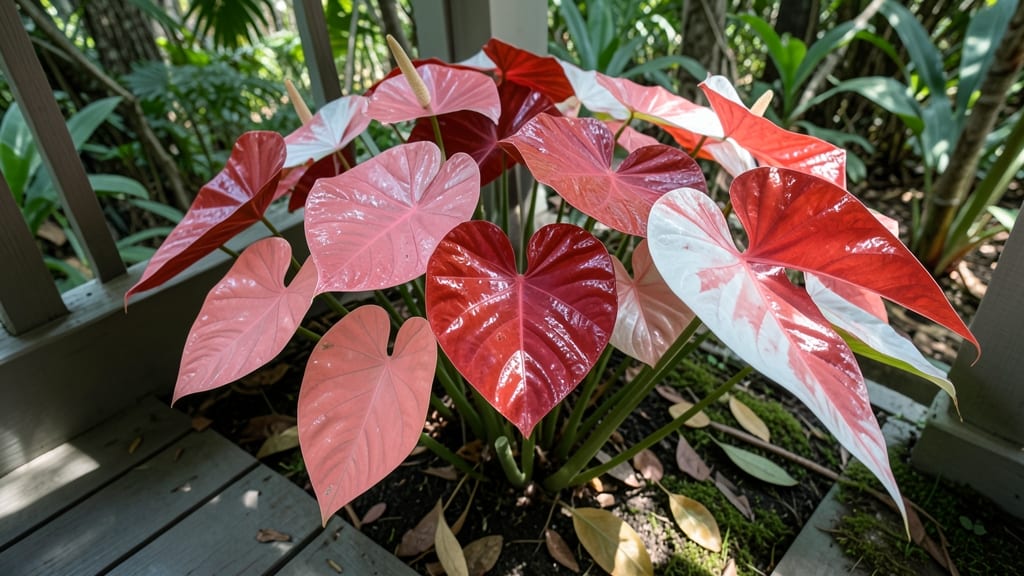
Want to bring a tropical escape to your shady porch without the harsh sun? Caladiums deliver the drama with their glossy, heart-shaped leaves in fiery pinks, deep reds, and pure white—perfect for adding instant visual punch where sunlight is scarce.
These shade-loving tropicals thrive in partial to full shade and love humidity, making them ideal for covered porches, indoor-outdoor transitions, or even bright bathrooms. Plant them in well-draining soil and keep the roots consistently moist (but not soggy) for lush, vibrant foliage. Their compact growth habit makes them perfect for containers, window boxes, or mixed borders alongside ferns and hostas.
Urban gardeners and small-space enthusiasts will love how caladiums bring bold color and exotic flair with almost no maintenance. Just remember to lift and store tubers after frost for next season’s comeback. 🌻
Astilbe Plume Flowers
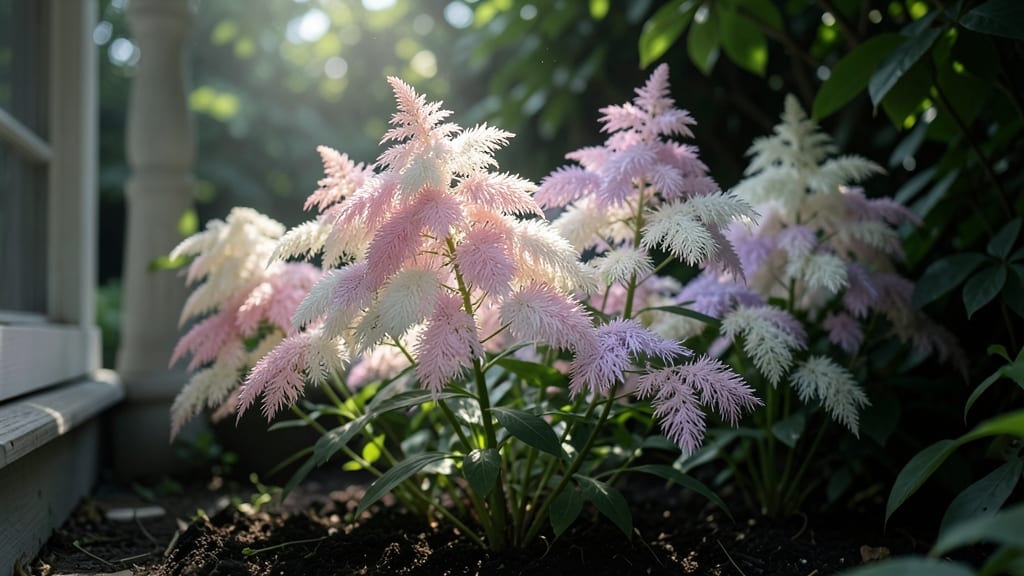
Craving a romantic, ethereal touch for your shady porch? Astilbe plume flowers deliver dreamy, feathery plumes in blush pinks, whites, and lavender hues that dance in the breeze—perfect for adding softness to dim corners where other plants struggle.
These upright perennials thrive in partial to full shade, making them ideal for back-of-border planting or tall containers where they’ll reach their full 2-4 foot height. Their airy texture contrasts beautifully with bold hostas or ferns, while their late-spring to summer bloom time extends your porch’s seasonal interest. Deadhead spent blooms to encourage more flowers, and watch as they become the star of your shade garden.
Gardeners with limited sunlight will love how astilbes bring effortless elegance with minimal care. Their drought tolerance once established makes them perfect for busy porch gardeners who want lasting beauty without the fuss. 🌷
Sweet Woodruff Ground Cover
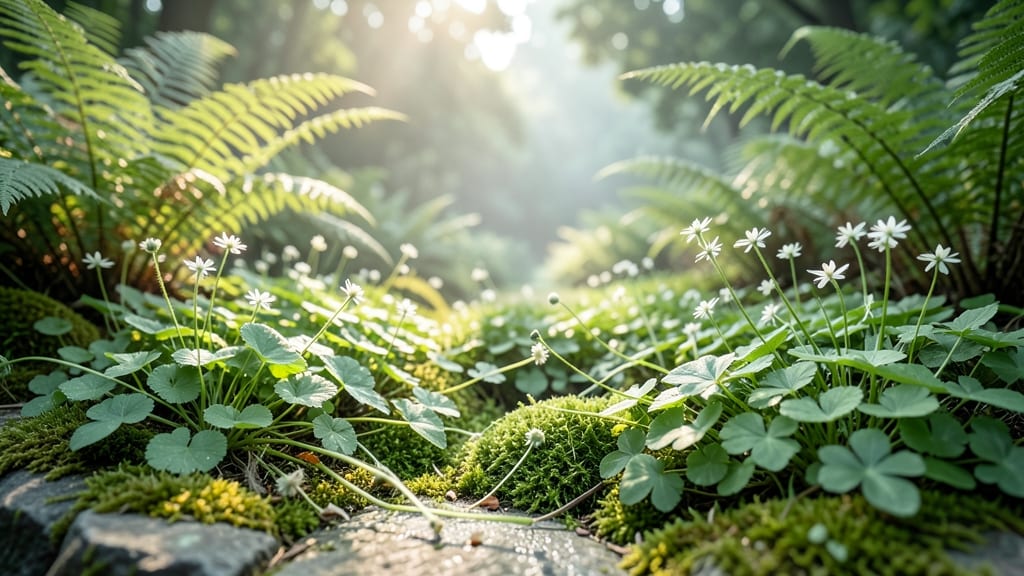
Craving a sensory garden experience that’s as easy as it is fragrant? Sweet woodruff (Galium odoratum) is your secret weapon—this delicate ground cover spreads effortlessly in shady spots while filling the air with a vanilla-coco-like scent when crushed or blooming. Unlike other shade plants, it doubles as a living mulch, suppressing weeds while adding a lacy, airy texture to your porch edges.
Plant it in partial to full shade with well-draining soil, and watch it form a dense, 6-inch-tall carpet that thrives in USDA zones 4-8. Its tiny white star-shaped flowers appear in late spring, attracting pollinators, while its fragrant foliage makes it perfect for tucking between hostas or ferns. For extra scent, try harvesting leaves in spring to dry for potpourri—just avoid overwatering, as soggy soil invites fungal issues.
This is the ultimate low-maintenance choice for gardeners who love subtle elegance and natural fragrance. Whether you’re filling gaps in a shady border or creating a fragrant pathway, sweet woodruff turns underutilized spaces into a peaceful, aromatic retreat. 🌿
Liriope Grass for Texture
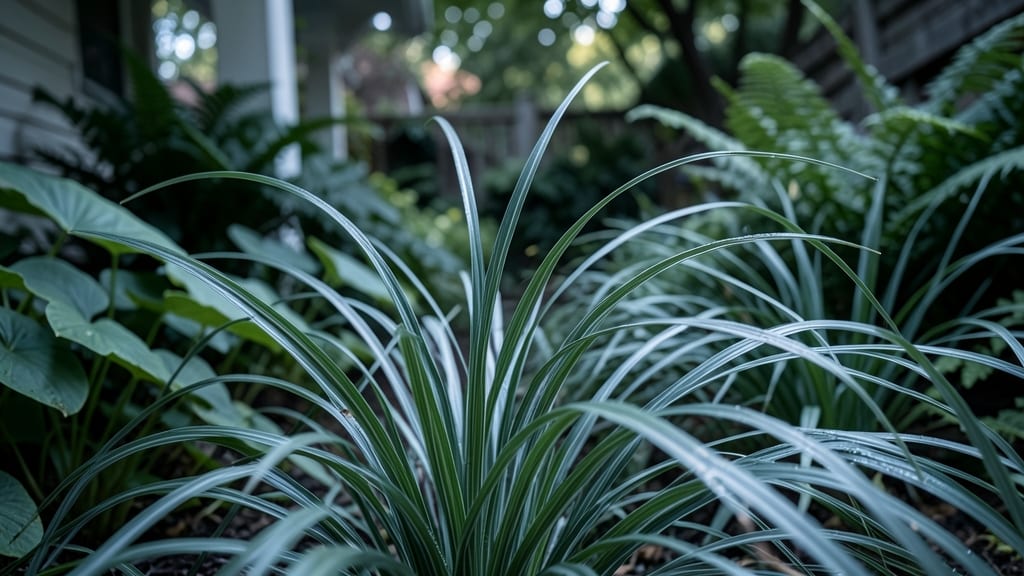
Tired of shady porch spaces feeling flat and one-dimensional? Liriope grass (also called monkey grass) brings architectural elegance with its semi-evergreen, arching blades that create dynamic vertical lines—perfect for breaking up the monotony of broadleaf plants like hostas or ferns.
This drought-tolerant grass thrives in partial to full shade, making it ideal for urban porches where sunlight is scarce. Plant it in borders, mixed containers, or as a focal point in window boxes, where its 1-2 foot height adds structure without overwhelming smaller companions. The blades develop subtle purple tinges in cooler months, extending seasonal interest. For a polished look, pair it with hostas or ferns—their contrasting textures create visual harmony while requiring minimal care.
Busy gardeners and urban dwellers will appreciate how liriope handles neglect once established, needing only occasional trimming to maintain its tidy form. Its ability to spread slowly makes it perfect for filling gaps between larger plants without becoming invasive. 💪
Begonias with Trailing Habit
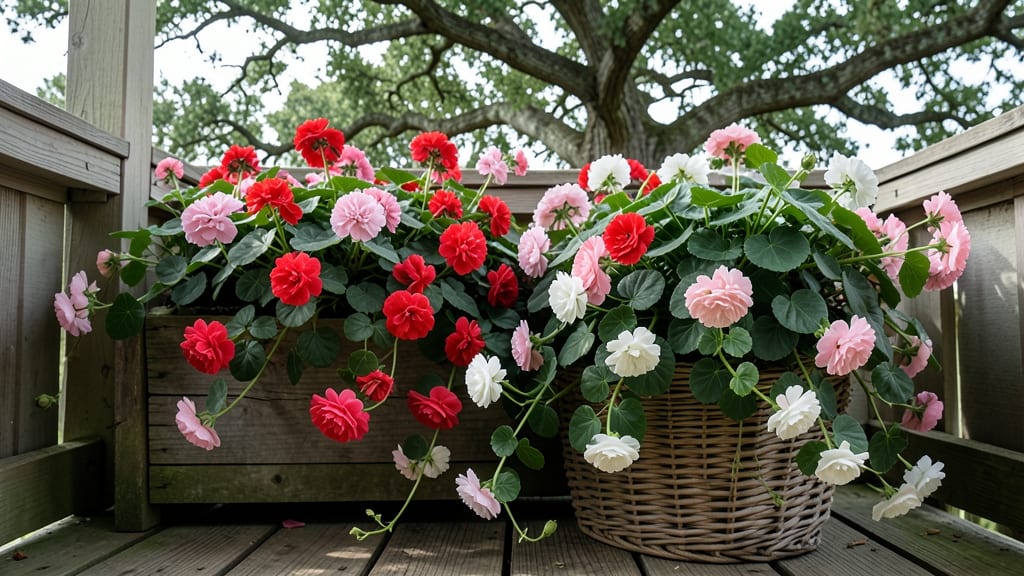
Tired of shady porches that feel dull and lifeless? Trailing begonias are your secret weapon for adding vibrant color to dim corners—without needing direct sunlight. These cheerful plants produce continuous blooms in pink, red, and white from spring through fall, making them the perfect choice for hanging baskets or window boxes where other plants might struggle.
What makes them stand out is their adaptability to shade—they thrive in partial to full shade, making them ideal for north-facing porches or covered patios. Simply plant them in well-draining soil, keep the roots consistently moist, and watch as they spill over edges with a waterfall of blooms. For extra impact, pair them with hostas or ferns to create a layered, lush display that stays vibrant all season.
Urban gardeners and small-space enthusiasts will love how trailing begonias deliver instant color with minimal effort. Just deadhead spent blooms to encourage more flowers, and enjoy year-round porch charm that’s as easy to grow as it is beautiful. 🌷
Hellebores for Winter Interest

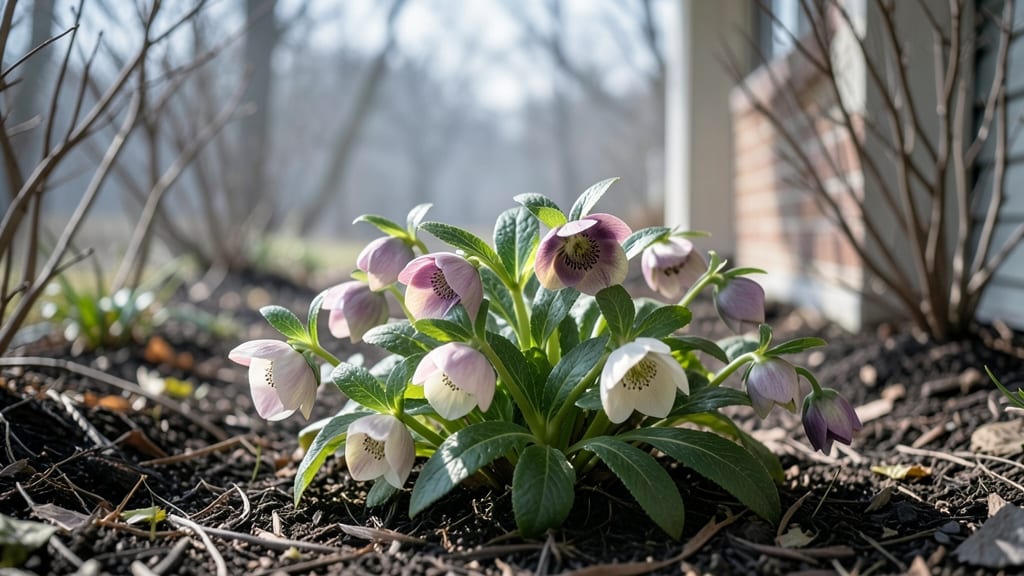
When your porch feels dormant in winter, hellebores step in as the unsung heroes of shade gardening. Unlike most plants that go dormant in cold weather, these drought-tolerant perennials bloom in late winter or early spring, offering delicate nodding flowers in soft whites, blush pinks, and deep purples that brighten even the gloomiest days.
Their secret weapon? Evergreen foliage that stays lush year-round, providing structure and texture to shady corners where other plants struggle. Plant them in well-draining soil under trees or in containers on covered porches—they’ll reward you with months of color when most gardens are still asleep. For a polished look, pair them with hostas or ferns, creating a layered display that thrives in partial to full shade with minimal care.
Perfect for gardeners who want winter interest without the fuss, hellebores are the ultimate low-maintenance star. Their ability to bloom in cold weather makes them ideal for urban porches where space is limited but beauty isn’t. 🌱