
Companion Plants
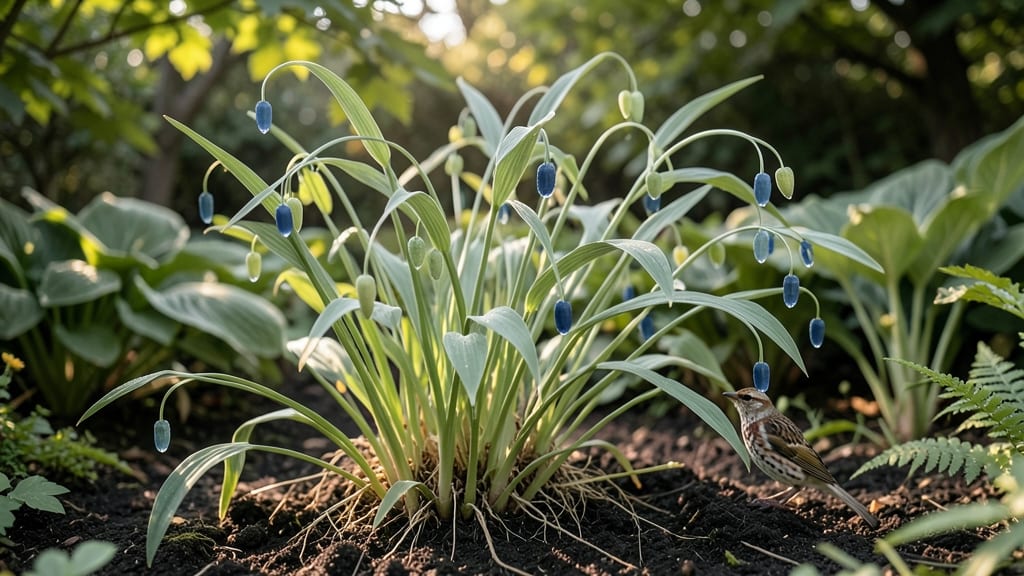
Transform your shady garden into a lush, thriving oasis with these 10 shade-loving plants that pair beautifully together. These natural companions require minimal sunlight while maximizing beauty, texture, and ecosystem benefits.
Hostas for Lush Green Foundations
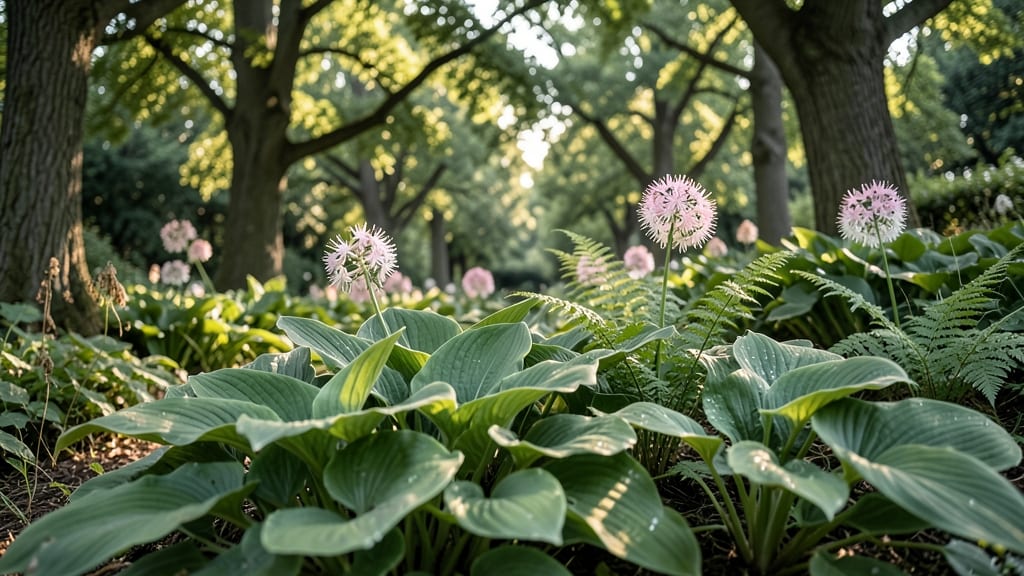
Tired of patchy, weedy ground cover under your trees? Hostas are the unsung heroes of shade gardens, delivering dense, weed-suppressing foliage that thrives where other plants struggle. Their broad leaves create an instant green foundation that pairs beautifully with ferns and astilbes for a layered, textured look.
Choose from hundreds of varieties—some with blue-green edges, golden centers, or even striped patterns—to match your garden's style. Plant them in well-draining soil and water consistently until established, then enjoy their low-maintenance nature. Hostas also deter weeds by shading the soil, reducing your mulching workload.
Perfect for beginners or busy gardeners, hostas bring instant satisfaction to shaded areas while creating a perfect backdrop for other shade-loving stars. 🌱
Ferns for Delicate Texture Layers
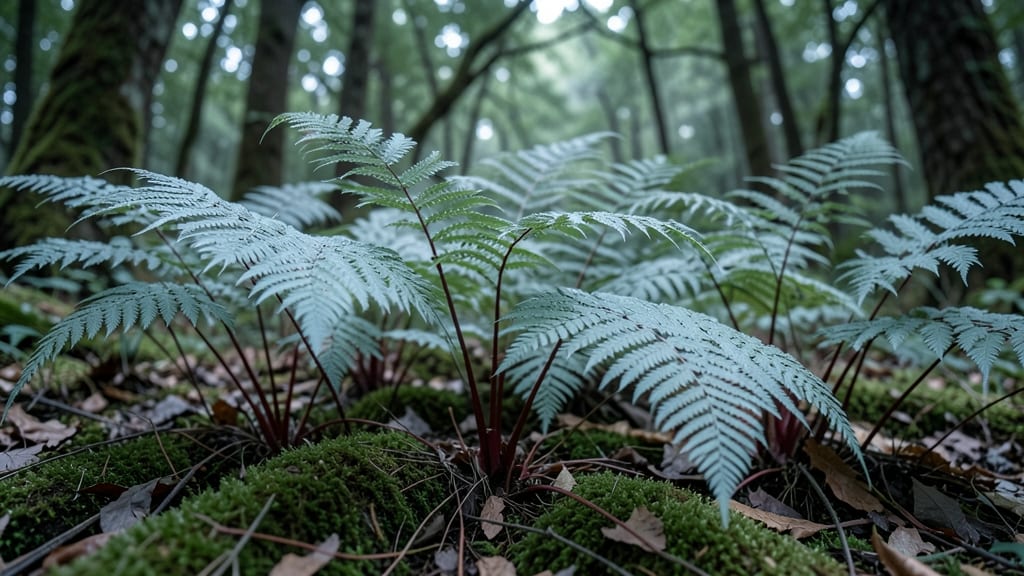
Skip the struggle of finding plants that thrive in deep shade—ferns are the answer. Their delicate, feathery fronds create a lush, airy texture that transforms dull corners into serene woodland retreats, all while requiring almost no sunlight.
Ferns like Japanese painted fern or Ostrich fern thrive in deep shade to partial sun and pair beautifully with hellebores or lungwort for striking contrasts. Plant them in well-draining, moist soil and mulch regularly to retain humidity. Their vertical growth habit adds depth to borders, making them perfect for layered shade gardens.
Urban gardeners and woodland enthusiasts will love how ferns soften hard edges while attracting pollinators. They’re low-maintenance and bring a touch of forest magic to any garden. 🌿
Hellebores for Early Spring Blooms
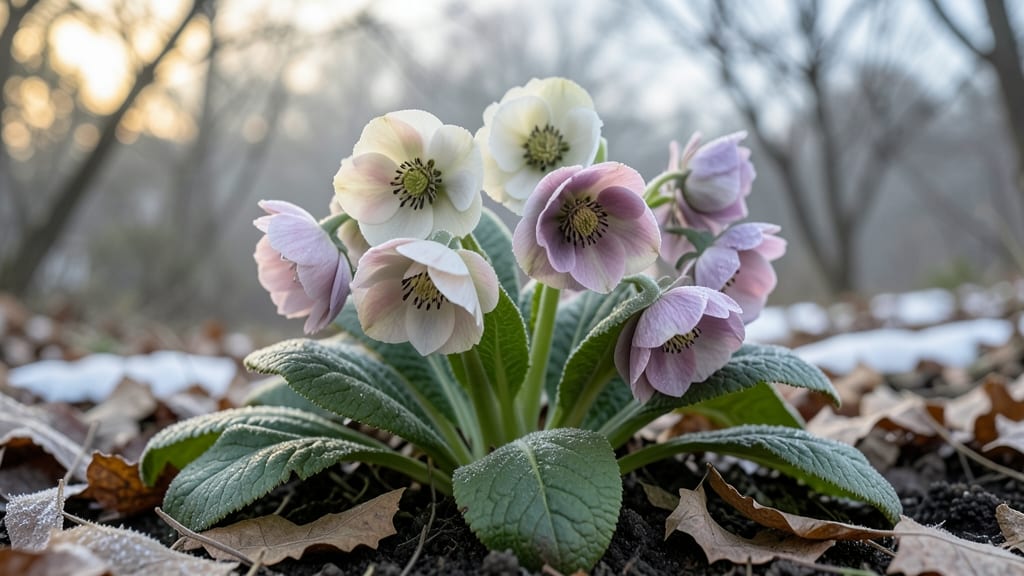
Brighten up your garden before spring even arrives with hellebores, the unsung heroes of early blooms. These winter-hardy perennials push through snow and frost to deliver delicate, nodding flowers in shades of white, pink, purple, and green—often when most plants are still dormant.
Plant hellebores in partial to full shade where they’ll thrive with minimal care, and pair them with evergreen shrubs like boxwood or pieris for a striking contrast that lasts all season. Their leathery, deep green leaves provide year-round structure, while their late-winter flowers attract early pollinators like bees. Deadhead spent blooms to encourage more flowers, but avoid cutting back the foliage until late spring.
Perfect for gardeners who love low-maintenance plants with high impact, hellebores are ideal for borders, woodland gardens, or even containers. Their unique charm makes them a must-have for anyone looking to add early color and texture to shady spots. 🌷
Astilbes for Plume-Like Elegance
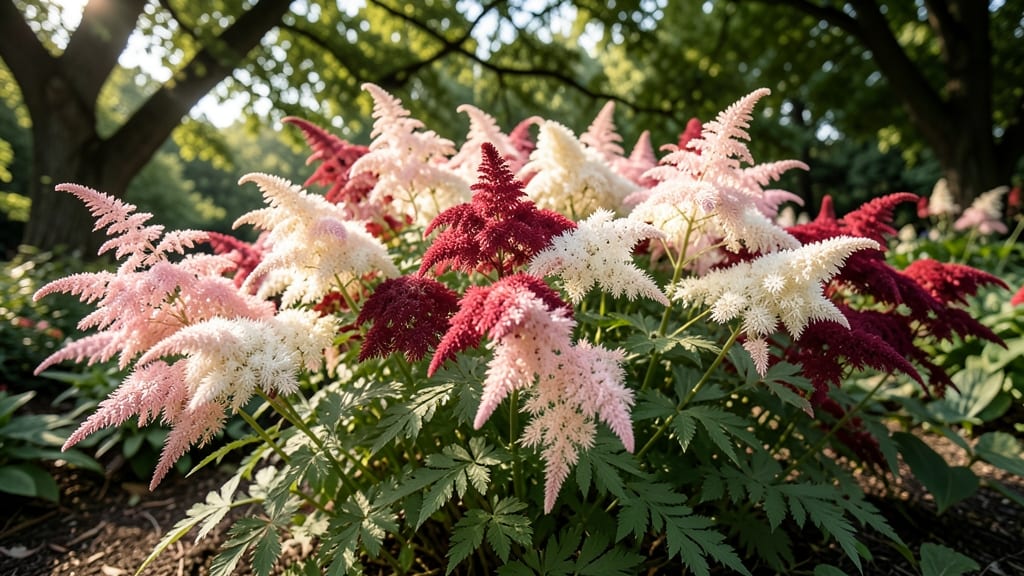
Need a cloud of soft color to brighten your shady garden without harsh sunlight? Astilbes are the answer—these plume-like beauties thrive in partial shade while delivering vibrant pinks, whites, and reds that dance in the breeze. Their feathery blooms create a dreamy, airy texture that contrasts perfectly with bold hostas or the deep foliage of coral bells.
Plant astilbes in moist, well-draining soil and give them morning sun or dappled shade for the best results. Their color variations (from pale lavender to deep magenta) make them ideal for adding seasonal interest, and they bloom from late spring to summer, often reblooming if deadheaded. Pair them with ferns for a woodland feel or hostas for a lush, layered look.
Perfect for cottage gardens, woodland edges, or containers, astilbes bring effortless elegance to shady spots while attracting butterflies and hummingbirds. 🌻
Coral Bells for Season-Long Color
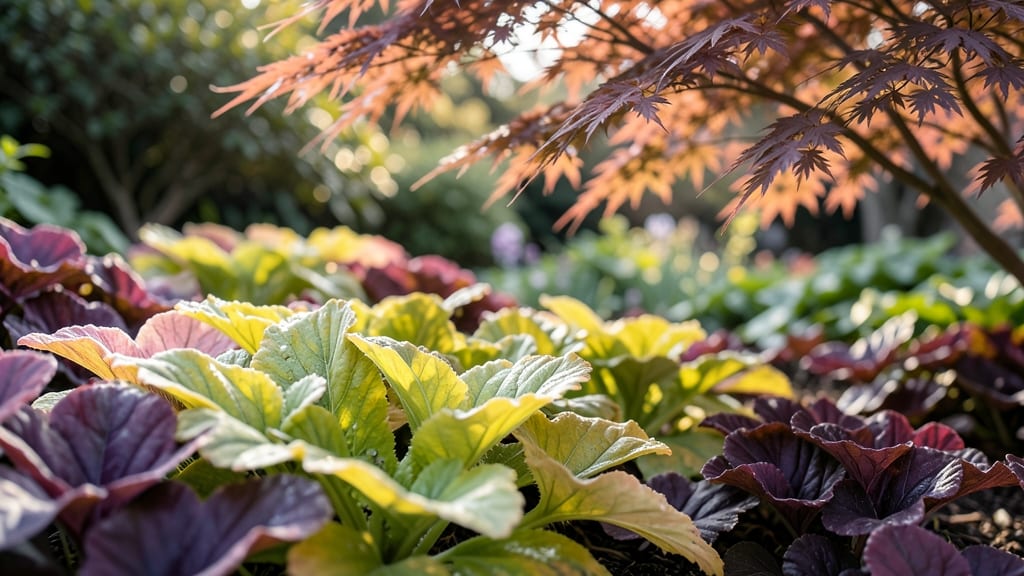
Want a shade garden that feels like a living watercolor painting? Coral bells (Heuchera) deliver seasonal color transformations—deep purple leaves in spring morphing to chartreuse or pink by summer—that outshine any single-season plant. Their unique foliage creates the perfect foil for Japanese maples' delicate leaves or impatiens' bright blooms.
These perennials thrive in partial to full shade, with well-draining soil that prevents root rot. Choose varieties like 'Palace Purple' for dramatic foliage or 'Lime Rickey' for sunny accents. Prune spent flower stalks in early spring to encourage fresh foliage growth, and enjoy their year-round interest. Coral bells also attract pollinators with their delicate spring blooms, making them a dual-purpose star.
Urban gardeners and small-space enthusiasts will love how coral bells fit into containers or tight borders, while woodland gardeners can use them to create vibrant understory layers. Their versatility makes them the secret weapon for shade gardens that never look dull. ✨
Lungwort for Medicinal Beauty
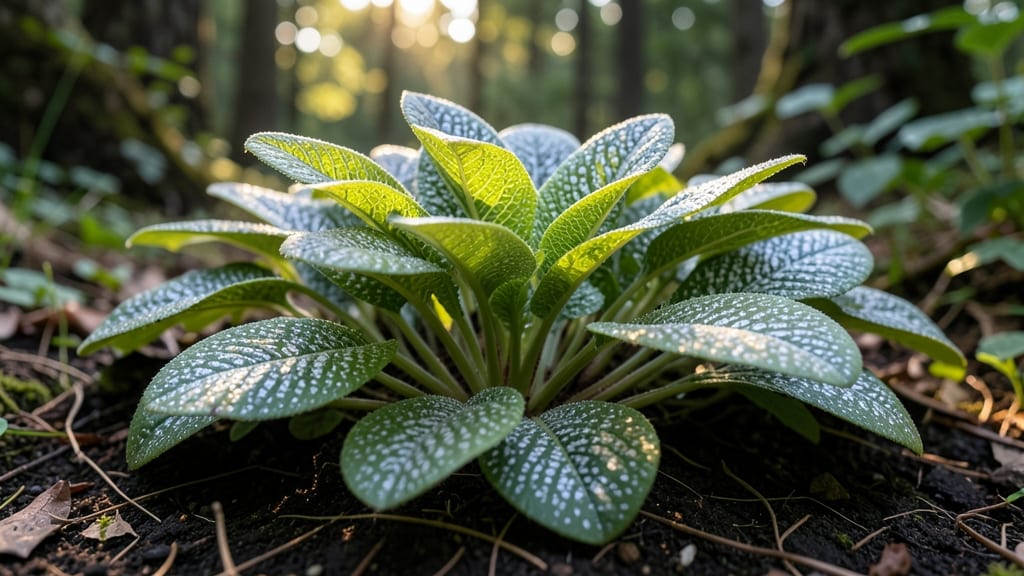
Looking for a shade plant that does double duty as a healing herb and a stunning garden star? Lungwort (Pulmonaria) delivers with its silver-spotted leaves that fade to chartreuse as they age, creating a mesmerizing color shift throughout the season.
This hardy perennial thrives in partial to full shade and pairs beautifully with hellebores and ferns for a woodland-inspired look. Its delicate spring blooms in pink, purple, or blue attract early pollinators like bees, while its foliage provides year-round interest. Plant lungwort in moist, well-draining soil and mulch to retain humidity—it’s equally at home in borders or woodland gardens.
Herbalists value lungwort for its historical use in respiratory remedies, but gardeners will love how it adds texture and movement to shaded areas. Perfect for eco-conscious gardeners who want beauty with a purpose! ✨
Japanese Painted Ferns for Contrast
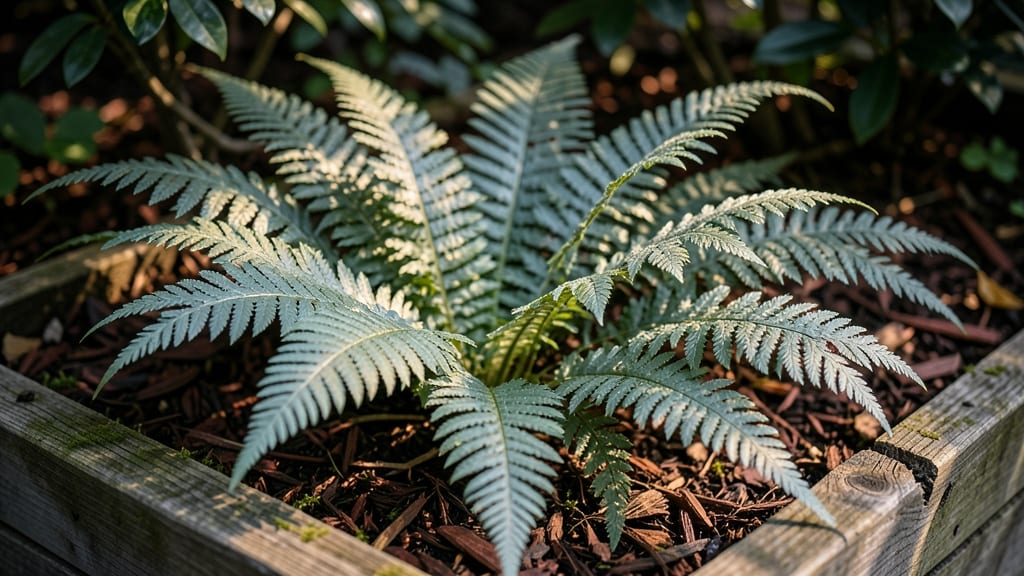
Struggling to make your shade garden pop with visual drama? Japanese painted ferns are the secret weapon for creating bold contrast with their silver-and-green foliage. Unlike typical green ferns, their striking bicolor pattern instantly elevates any shade combination, especially when paired with deep green hostas or purple astilbes.
These ferns thrive in deep to partial shade and prefer moist, well-draining soil with consistent moisture. Their upright growth habit adds vertical interest, while their delicate fronds create a soft, airy texture that balances bold foliage plants. For maximum impact, plant them in clusters of 3-5 near hostas or astilbes to create a dramatic visual sweep.
Perfect for woodland gardeners or urban spaces with shady corners, Japanese painted ferns bring unexpected color and texture to otherwise monotonous shade gardens. 💚
Impatiens for Bright Shade Spots
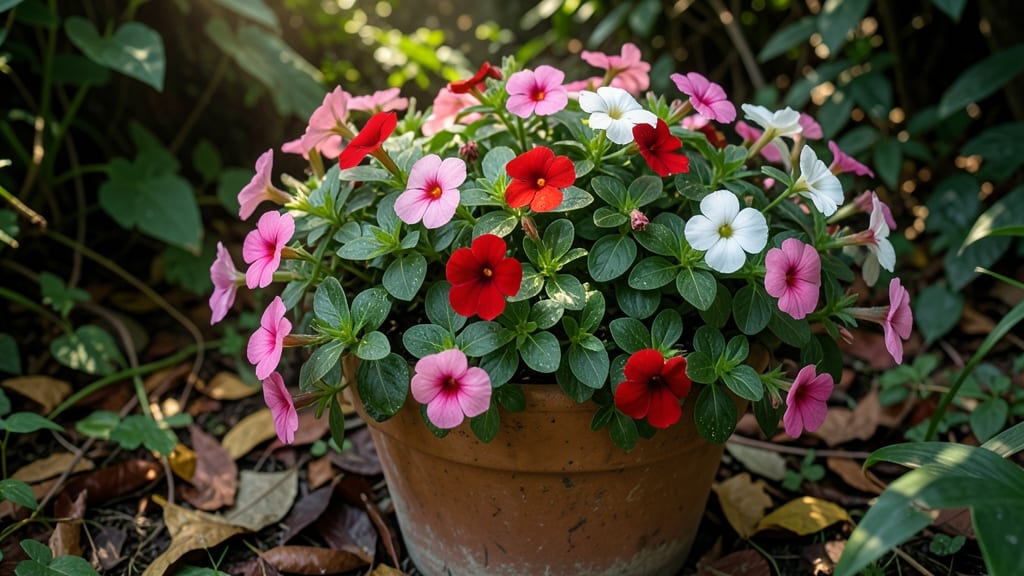
Craving instant color in those tricky bright shade spots where sunlight barely touches? Impatiens are your secret weapon—these cheerful annuals burst into bloom in vibrant pinks, reds, or whites, thriving where other plants struggle. Their compact growth habit makes them perfect for filling gaps between hostas or ferns, creating a lush, layered look that feels intentional.
Plant impatiens in well-draining soil with consistent moisture (they hate drying out) and give them 3-6 hours of filtered sunlight daily**. Their delicate blooms attract butterflies and hummingbirds, while their glossy leaves add texture to containers or garden beds. For longest blooms, deadhead spent flowers regularly—this encourages nonstop color from spring until frost. Choose dwarf varieties for containers or taller types for garden beds.
Urban gardeners and container enthusiasts will love how impatiens transform shady patios or balconies into vibrant mini-gardens. Pair them with ferns for a woodland retreat vibe or hostas for a classic cottage garden feel. Their easygoing nature makes them the ideal "pop of color" for any shade lover's toolkit. 🌟
Boxwood Shrubs for Structured Borders
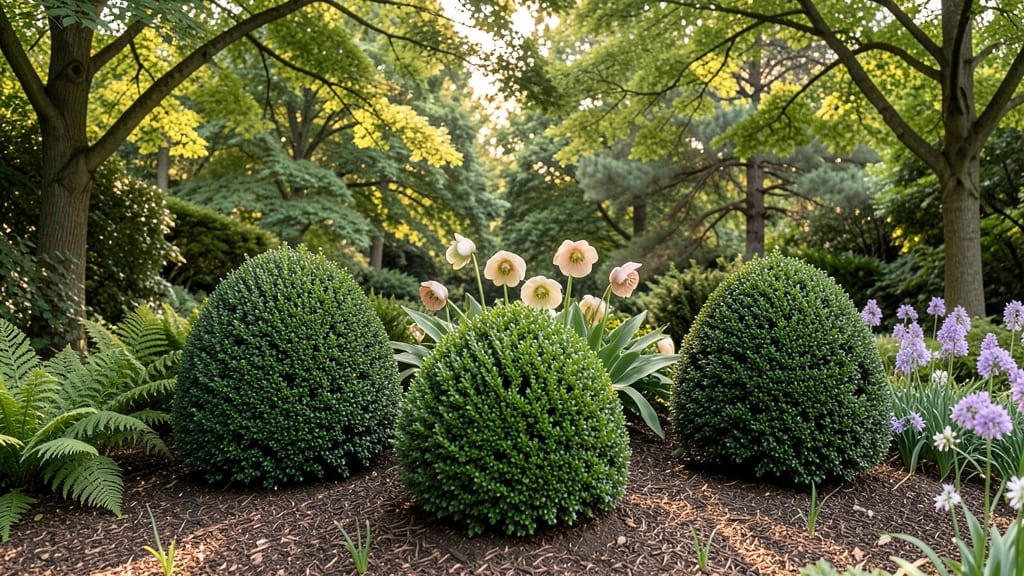
Ready to turn your shady garden into a polished, structured retreat? Boxwood shrubs are the secret weapon for creating clean, defined borders that frame your hellebores, ferns, and astilbes with effortless elegance. Their glossy, evergreen foliage provides year-round structure while thriving in partial to full shade, making them perfect for both formal and naturalistic designs.
Choose between compact varieties like 'Green Velvet' for tight hedges or larger types like 'American' for loose, informal shapes. Prune boxwoods lightly in late spring or early summer to maintain their shape, and mulch annually to retain moisture in shaded areas. Their slow growth means you'll spend less time trimming while enjoying their classic, timeless appeal.
Ideal for gardeners who love traditional landscaping but want low-maintenance solutions, boxwoods bring sophistication to shade gardens while creating a perfect backdrop for your other shade-loving stars. 💚
Solomon's Seal for Graceful Arches

Want to add movement and wildlife magic to your shade garden without sacrificing elegance? Solomon's Seal (Polygonatum) is the answer—its graceful, arching stems create a natural, flowing rhythm that dances in the breeze, while dangling berries feed birds and add seasonal interest.
This shade-loving perennial thrives in partial to full shade and pairs beautifully with hostas or ferns for a layered, textured look. Plant it in moist, well-draining soil and watch its arching stems weave through other plants, creating a dynamic vertical element. The spring blooms (tiny, fragrant white flowers) give way to clusters of blue-black berries that persist through fall, offering year-round interest.
Perfect for woodland gardeners or anyone who loves low-maintenance plants with high impact, Solomon's Seal brings both beauty and ecological benefits to shady spots. 🌱