
Shrubs
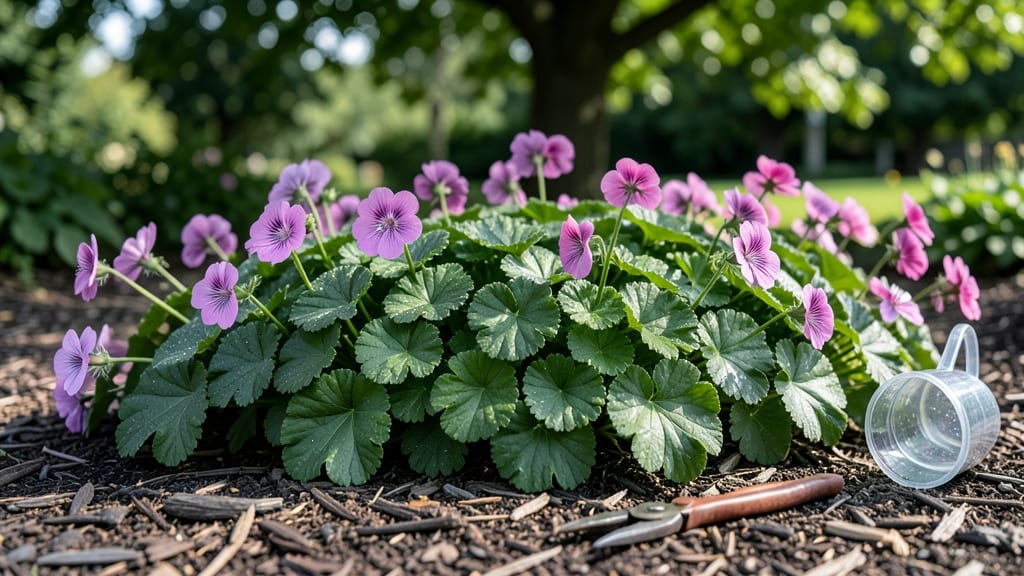
Perennial geraniums for shade prove you don’t need sun to get vibrant blooms. 🌿 I’ve grown these tough plants under trees and along north-facing walls, and they’ve never failed to deliver lush foliage and cheerful flowers—even when other shade plants struggle.
The key lies in choosing the right varieties and adapting care to their low-light needs.
These shade-loving geraniums thrive in partial to full shade, making them perfect for woodland gardens, under eaves, or near evergreens. They prefer moist, well-draining soil rich in organic matter, which helps prevent the root rot that often plagues shade plants.
Varieties like ‘Johnson’s Blue’ or ‘Rozanne’ bloom prolifically in dappled light, while ‘Dolly Varden’ handles deeper shade with grace.
Once established, they’re nearly maintenance-free—just water when the top inch of soil dries out and deadhead spent blooms to encourage more flowers. You’ll end up with year-round interest: silvery foliage in winter, spring blooms, and summer foliage that stays attractive even when flowers fade.
Pair them with hostas, ferns, or astilbes for a layered, textured shade garden. The secret? Matching their needs to your space—these geraniums reward patience with bold color where others fade. Let’s get your shade garden blooming!
📚 In This Guide
- What you need
- Instructions
- Tips and common mistakes
- Wrapping up and next steps
What you need
- ● Perennial geranium plants: Choose shade-tolerant varieties like Geranium macrorrhizum (Crawling Geranium) or Geranium phaeum (Dusky Geranium). Buy 3–5 plants for a full, lush look.
- ● Well-draining potting mix or garden soil: A blend of 60% topsoil, 30% compost, and 10% perlite or sand ensures proper drainage (critical for shade plants!).
- ● Organic mulch: 2–3 inches of shredded bark, pine needles, or straw to retain moisture and suppress weeds.
- ● Slow-release fertilizer: A 10-10-10 or 5-5-5 formula (apply 1–2 tbsp per plant at planting time).
- ● Watering can or hose with a gentle spray nozzle: Shade-loving geraniums need consistent moisture but hate soggy roots.
- ● Garden trowel or hand shovel (for planting holes 12–18 inches deep).
- ● Pruning shears (to trim dead foliage or shape plants after blooming).
- ○ Gloves (optional but recommended—geraniums can be a little prickly!).
- ○ pH test kit (optional: ideal soil pH is 6.0–7.0 for shade geraniums).
- ● Shade cloth: If your area gets partial shade, use 30–50% shade cloth to filter harsh afternoon sun.
- ● Epsom salt: A 1 tbsp sprinkle per plant every 4–6 weeks boosts magnesium for healthier blooms.
- ● Decorative rocks or pebbles: For a polished look, add a 1-inch layer around plants to deter pests.
Step-by-Step guide to growing perennial geraniums in shade
Here's how to cultivate these hardy, blooming workhorses in low-light conditions—no compromise on beauty.
🌱 Step 1: Select the Right Geranium Varieties for Shade
Not all geraniums thrive in shade, so choose shade-tolerant species like Geranium macrorrhizum (creeping darby) or Geranium phaeum (dusky geranium). These varieties handle 2-4 hours of morning sun and full shade afternoons without wilting. Avoid traditional pelargoniums (zonal geraniums)—they need bright light to bloom reliably.
Look for plants labeled "shade-tolerant" at nurseries, or ask staff to point you toward woodland geraniums. I always check the foliage color too—darker leaves often indicate better shade adaptation. If starting from seed, use organic shade-tolerant seed mixes designed for low-light conditions.
🪴 Step 2: Prepare the Planting Site for Low-Light Conditions
Test your soil's moisture retention—shade geraniums prefer well-draining but consistently moist soil. Amend heavy clay with 2-3 inches of compost and a handful of perlite to improve aeration. These plants hate soggy roots, so avoid planting in areas where water pools after rain.
Choose a location with dappled light (filtered sunlight through trees) or east-facing shade. If your yard is completely dark, select a spot near the house or fence where reflected light might reach for a few hours daily. I mark potential sites with a stake before digging—this prevents multiple trips with the trowel.
☀️ Step 3: Plant at the Correct Depth and Spacing
Dig holes twice as wide as the root ball but only as deep as the container's base. Planting too deep suffocates roots, while shallow planting exposes them to drying winds. Gently remove the plant from its container, loosen any circling roots with your fingers, and place it in the hole so the top of the root ball sits 1 inch below soil level.
Space plants 12-18 inches apart—closer spacing works for creeping varieties like Geranium macrorrhizum, while bushier types need the full 18 inches to develop properly. Backfill with native soil mixed with 1 part compost, pressing lightly to eliminate air pockets. Water immediately after planting to settle the soil.
💧 Step 4: Establish a Consistent Watering Routine
Perennial geraniums in shade need 1 inch of water weekly, but check soil moisture first—stick your finger 1 inch deep. If it feels dry, water thoroughly until moisture reaches 6 inches down. Drip irrigation or soaker hoses work best to avoid wetting foliage, which can invite fungal diseases in humid shade.
Mulch with 2-3 inches of shredded bark or leaf mold to retain moisture and regulate soil temperature. I always leave a 2-inch gap between mulch and plant stems to prevent rot. During the first growing season, monitor plants closely—underwatering causes yellowing leaves, while overwatering leads to mushy stems.
✂️ Step 5: Prune and Maintain for Year-Round Blooms
Cut back faded blooms to just above the first set of leaves to encourage continuous flowering. In early spring, trim back one-third of the plant's height to promote bushier growth. Avoid heavy pruning after mid-summer, as new growth won't harden off before frost.
Fertilize lightly in spring with balanced 10-10-10 fertilizer or a slow-release organic option. Too much nitrogen results in lush foliage but fewer blooms. I fertilize again in early July to extend the flowering season. Watch for aphids on new growth—spray with neem oil if you see sticky residue on leaves.
Tips & tricks for thriving perennial geraniums in shade
Common pitfalls—and how to sidestep every one—when cultivating shade-loving geraniums that bloom beautifully.
Variety Verification: Double-check your geranium's scientific name when purchasing. Geranium macrorrhizum and Geranium phaeum are your best bets for shade, but nurseries sometimes mislabel plants. I always verify by checking the foliage—shade-adapted varieties typically have darker, thicker leaves. If you're unsure, ask for woodland geraniums specifically, as these are bred for low-light conditions.
Soil Science: The 2-3 inches of compost and perlite in Step 2 isn't just about drainage—it's about creating the perfect moisture balance. Too much perlite can dry out roots, while too much compost can compact. I mix them in equal parts by volume, then do a quick finger test: press the soil—it should hold its shape but not feel soggy. This prevents the dreaded "mushy stems" that come from poor aeration.
Light Strategy: That 2-4 hours of morning sun is non-negotiable for reliable blooms. If your yard has no natural morning light, create artificial light with a small LED grow light placed 12 inches above the plants for 4-6 hours daily. I've used these successfully under large trees where no sunlight reaches. Position the light on a timer to avoid burning the foliage.
Pruning Precision: When trimming back one-third of the plant's height in early spring, focus on removing the oldest, leggiest stems first. These are the ones that won't bloom well anyway. Use clean, sharp pruners and make cuts at a 45-degree angle just above a leaf node. This encourages bushier growth while maintaining the plant's natural shape—something I learned after years of hacking stems unevenly.
Pro Tips for Perennial Geranium For Shade
- Common pitfalls—and how to sidestep every one—when cultivating shade-loving geraniums that bloom beautifully.
- Variety Verification: Double-check your geranium's scientific name when purchasing.
- Soil Science: The 2-3 inches of compost and perlite in Step 2 isn't just about drainage—it's about creating the perfect moisture balance.
Frequently asked questions
Got questions about growing perennial geraniums in shade? You’re not alone! Here are some of the most common concerns—and their solutions—to help you cultivate thriving, low-maintenance blooms even in deep shade.
Can perennial geraniums really thrive in full shade?
Yes! While most geraniums prefer sun, Geranium macrorrhizum (wood geranium) and Geranium renardii (Renard’s geranium) are shade-tolerant varieties. They’ll still produce vibrant blooms but may grow more slowly in deep shade. Aim for at least 4–6 hours of dappled or filtered light for best results.
How long does it take for shade-loving geraniums to establish?
Patience is key! Most shade-tolerant geraniums take 2–3 years to fully establish and spread. In the first year, focus on root growth by keeping the soil consistently moist. After that, they’ll reward you with lush foliage and clusters of blooms.
What’s the best alternative if my shade is too dark?
If your shade is too dense (e.g., under thick trees with no light), consider these shade-loving alternatives:
- Heuchera (Coral Bells) – Stunning foliage, low-maintenance.
- Astilbe – Feathery plumes, thrives in moist shade.
- Hosta – Classic shade plant with bold leaves.
- Lungwort (Pulmonaria) – Early blooms and spotted foliage.
Why are my shade geraniums wilting or turning yellow?
Yellow leaves or wilting often signal overwatering or poor drainage. Ensure your geraniums are in well-draining soil and water only when the top inch is dry. If leaves are yellow with brown edges, it may be salt buildup—flush the soil with water or use rainwater.
Do shade geraniums need deadheading for continuous blooms?
Yes! Deadheading (removing spent blooms) encourages more flowers and prevents seed production. Snip off faded blooms with clean pruners, or pinch them off by hand. For Geranium macrorrhizum, a light trim after flowering keeps the plant tidy and promotes new growth.
Wrapping up and next steps
Growing perennial geraniums for shade is a rewarding way to add color and life to your garden—even in low-light spots! 🌿 These hardy plants thrive with minimal fuss, offering year-round blooms and lush foliage.
Whether you’re a seasoned gardener or just starting, their adaptability makes them a perfect choice for brightening up shady corners.
Ready to transform your garden? Start small—pick one variety, prep your soil, and give these beauties the love they deserve. Watch as your shaded areas burst into vibrant hues, proving that even the quietest corners can shine! 🌸