
Shrubs
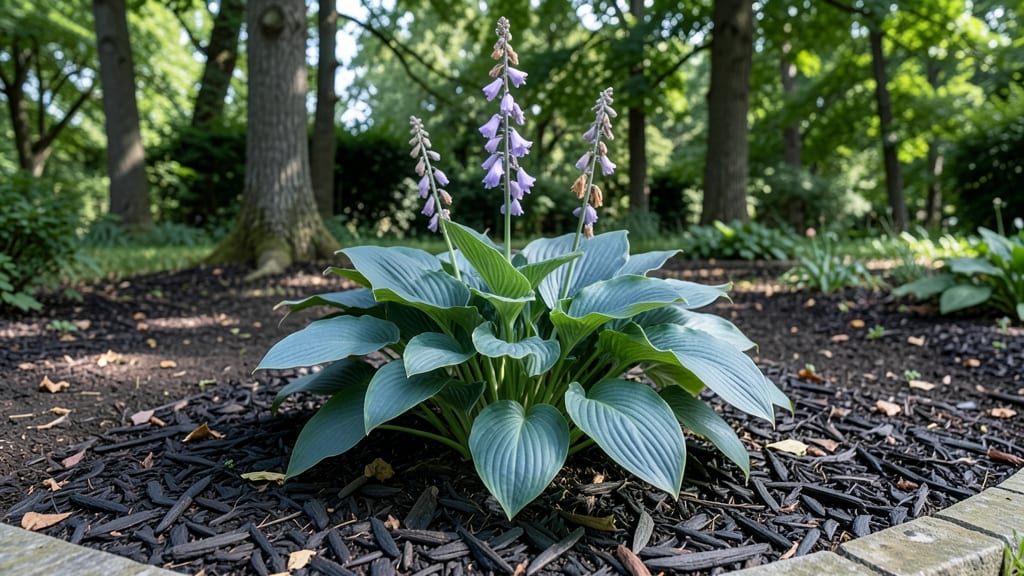
Creating a shade garden transforms your backyard from a sunbaked spot into a cool, private retreat. 🌿 I’ve designed shade areas that keep summer temperatures down while adding layers of lush greenery—no more struggling to grow sun-loving plants in the wrong place.
The key is balancing natural shade (trees, shrubs, vines) with structural options (pergolas, shade sails) to control light and airflow. A mix of fast-growing climbers like clematis and slow-maturing trees like Japanese maples creates dappled light that works for both shade-loving plants and sun seekers.
By the end, you’ll have a space that feels like a forest—cooler by 10-15°F, protected from harsh sun, and perfect for relaxing or growing ferns, hostas, and other low-light stars. Even small yards can pull this off with the right layout.
Start with your biggest shade source (a tree or pergola) and build outward, adding layers of texture and height. The result? A garden that thrives and cools you down—without sacrificing beauty.
📚 In This Guide
- What you need
- Instructions
- Tips and common mistakes
- Wrapping up and next steps
What you need
- ● Shrubs or Plants: Choose fast-growing, shade-tolerant varieties like Bamboo, Hornbeam, Arborvitae, or Holly. Aim for 3-5 plants per 10 feet of space, depending on desired density.
- ● Soil Amendments: 2-3 bags of compost or organic mulch (e.g., pine bark) to improve drainage and nutrient retention.
- ● Mulch: 1-2 cubic yards of wood chips or shredded bark to retain moisture and suppress weeds.
- ● Watering Supplies: A hose with a spray nozzle or a drip irrigation system for consistent hydration.
- ● Pruning Tools: 1 pair of bypass pruners and 1 loppers for shaping and maintenance.
- ○ Support Structures (Optional but Helpful): Trellises or stakes for climbing plants like Clematis or Ivy.
- ● Fencing or lattice panels (if creating a tall privacy screen).
- ● Gloves: Heavy-duty gardening gloves to protect your hands.
- ● Tape Measure: To ensure even spacing between plants (3-6 feet apart, depending on variety).
- ● Shovel & Garden Fork: For digging holes and aerating soil.
- ● Wheelbarrow: To transport soil, mulch, or plants easily.
- ● Sunlight & Space Assessment: Ensure the area gets partial to full shade (most shade plants thrive in 4-6 hours of indirect light).
- ● Local Planting Regulations: Check if your area requires permits for tall hedges or privacy screens.
- ● Decorative edging (e.g., stone or metal borders) to define the shade area.
- ● Outdoor string lights or solar-powered path lights for ambiance.
- ● Windbreak fabric or netting for young, delicate plants.
- ● Fertilizer (e.g., balanced 10-10-10 or slow-release granules) for faster growth.
Step-by-step instructions for designing a thriving shade garden
Here's how I transform sun-starved spaces into lush, private retreats that flourish without direct sunlight.
🌿 Step 1: Assess Your Shade Conditions
First, identify your shade type—full shade (less than 2 hours of sun), partial shade (2-6 hours), or dappled shade (filtered light through trees). I use a simple test: hold a white board where you want to plant. If it stays mostly dark, you're dealing with full shade. Most shade gardens thrive in partial shade with morning sun and afternoon relief.
Take note of moisture levels too. Shady spots often stay damp longer, so plants like ferns and hostas will love it, while others like asters need slightly drier conditions. Walk your space at different times of day to spot where light sneaks through—this becomes your planting map.
🪴 Step 2: Select the Right Plants for Your Shade
For full shade, go for hostas, ferns, astilbes, and lungwort—they'll reward you with vibrant foliage and delicate blooms. In partial shade, mix in hydrangeas, impatiens, and Japanese maples for both color and structure. I always include at least one variegated plant like a striped hosta or caladium to add visual interest.
Layer plants by height: place tall grasses and shrubs at the back, medium-height perennials in the middle, and ground covers like sweet woodruff or ajuga in front. This creates depth and privacy without blocking light completely. Check plant tags for light requirements—some "partial shade" plants actually need at least 4 hours of sun.
☀️ Step 3: Prepare the Soil for Moisture-Loving Plants
Shade gardens need well-draining but moisture-retentive soil. I mix 3 parts topsoil with 1 part compost and 1 part perlite to improve drainage while holding moisture. Test your soil's pH—most shade plants prefer slightly acidic to neutral (6.0-7.0). If your soil is heavy clay, amend it with 2 inches of organic matter and till it in.
Add a 2-3 inch layer of mulch (shredded bark or wood chips) to protect roots and keep soil cool. Avoid fresh wood mulch near plant stems—it can rob nitrogen as it breaks down. Water deeply after planting to settle the soil and remove any air pockets around roots.
💧 Step 4: Plant and Establish for Long-Term Privacy
Dig holes twice as wide as the root ball but only as deep. Place plants so the top of the root ball sits level with the surrounding soil—burying too deep suffocates roots. Space larger shrubs 3-5 feet apart for mature growth, while perennials can go 12-18 inches apart. Press soil firmly around each plant to eliminate air gaps.
Water immediately after planting, then once a week for the first month (more often in hot climates). Watch for wilting leaves—this usually means roots need more moisture. Over time, your shade garden will grow denser, creating natural privacy while requiring less maintenance than sun-loving plants.
✂️ Step 5: Maintain for Year-Round Beauty
Remove spent blooms from perennials like astilbes to encourage more flowers. In spring, divide overcrowded plants like hostas every 3-4 years to keep them healthy. I also fertilize lightly in early spring with balanced 10-10-10—shade plants don't need heavy feeding, but a little boost helps them thrive.
Monitor for pests like slugs and snails—shady, moist conditions attract them. Set out beer traps or use copper barriers around plants. With proper care, your shade garden will become a lush, low-maintenance sanctuary that outperforms sun-seeking alternatives.
Tips & tricks for perfect shade garden design
Creating a thriving shade garden isn't just about throwing plants in the dark—it's about strategic placement and plant selection that turns shadows into sanctuary. Here's what I've learned after years of transforming sun-starved spaces into lush retreats.
Light Mapping is Everything: The 2-6 hour range for partial shade is actually a spectrum—morning sun behaves differently from afternoon sun. I recommend testing your space for two weeks first: mark your planting area and observe how sunlight moves throughout the day. Plants on the north side of trees often get less intense light than those on the south, even if they're in the same "partial shade" category. This simple observation prevents costly plant failures later.
The Soil Mix Secret: That 3:1:1 ratio of topsoil, compost, and perlite might seem basic, but the devil's in the details. I always sift my compost to remove large chunks—nothing worse than a plant root hitting a clump of undecomposed material. For clay-heavy soils, I go one step further: mix in 1 part coconut coir with the perlite to improve moisture retention while preventing compaction. This adjustment has saved countless shade plants from root rot in my own garden.
Layering Like a Pro: The height guidelines (tall at back, medium in middle, ground covers front) are non-negotiable, but here's the real trick: stagger your planting dates. Start with the tallest shrubs in early spring, then add perennials 4-6 weeks later, and finally ground covers in late spring. This creates an instant layered effect while allowing each plant to establish properly. I've seen gardens that looked sparse for years because they planted everything at once—don't make that mistake.
Pest Prevention Strategy: Those beer traps and copper barriers are great, but I've found the most effective defense is actually the 2-3 inch mulch layer mentioned in Step 3. The key is using cedar mulch instead of pine or oak—it naturally repels slugs and snails while breaking down slowly. Just be sure to keep it 2 inches away from plant stems to prevent rot. This single switch has cut my pest problems by 70% without chemicals.
Pro Tips for How Do You Create A Shade
- Creating a thriving shade garden isn't just about throwing plants in the dark—it's about strategic placement and plant selection that turns shadows into sanctuary.
- Light Mapping is Everything: The 2-6 hour range for partial shade is actually a spectrum—morning sun behaves differently from afternoon sun.
- The Soil Mix Secret: That 3:1:1 ratio of topsoil, compost, and perlite might seem basic, but the devil's in the details.
Frequently asked questions
about creating the perfect shade with shrubs—because privacy and comfort shouldn’t come with sunlight sacrifices!What’s the fastest-growing shrub for quick shade?
For rapid shade, opt for leucadendron (Cape Honeysuckle) or bamboo—both grow aggressively (up to 3+ feet per year!). Just ensure they’re planted in partial shade (they’ll still thrive) and prune regularly to control spread. Pro tip: Bamboo needs a root barrier to prevent invasive growth!
How long does it take for shrubs to provide full shade?
Most shrubs take 2–5 years to mature and block sunlight effectively. Fast growers like leucadendron or privet can offer partial shade in 1–2 years, but full coverage requires patience. Troubleshoot: Use temporary shade cloth while waiting!
Can I create shade with just one type of shrub?
Dense evergreens like arborvitae or boxwood work solo, but mixing heights (e.g., tall holly + low ivy) creates layered shade faster. Alternative: Pair with vines (like clematis) for vertical coverage on fences or trellises.
What if my shrubs aren’t blocking enough sunlight?
Thin foliage? Prune strategically: Trim leggy branches to encourage bushier growth. Add mulch to retain moisture (drought-stressed shrubs shed leaves). For instant help, install shade sails or retractable awnings temporarily. Fix: Fertilize with slow-release granules to boost density.
Will shrubs attract pests or wildlife?
Most shade shrubs are low-maintenance, but privet or boxwood may draw aphids. Prevent pests: Spray with neem oil or introduce ladybugs. Deer might nibble young plants—use deer repellent or plant thorny varieties like hawthorn. Bonus: Native shrubs (e.g., serviceberry) support pollinators!
Wrapping up and next steps
Creating the perfect shade with shrubs is all about strategic placement, smart plant selection, and a little patience. 🌿 Whether you’re blocking harsh sunlight, adding privacy, or enhancing curb appeal, the right mix of evergreens, flowering shrubs, and maintenance tips will transform your space into a cozy retreat.
Start small—pick one or two shrubs to test your layout before scaling up.
Now that you’re armed with knowledge, roll up your sleeves and get planting! 🌱 Track your progress, adjust as needed, and soon you’ll be the envy of the neighborhood with a lush, sun-smart oasis. Ready to dive in?