
Light Requirements
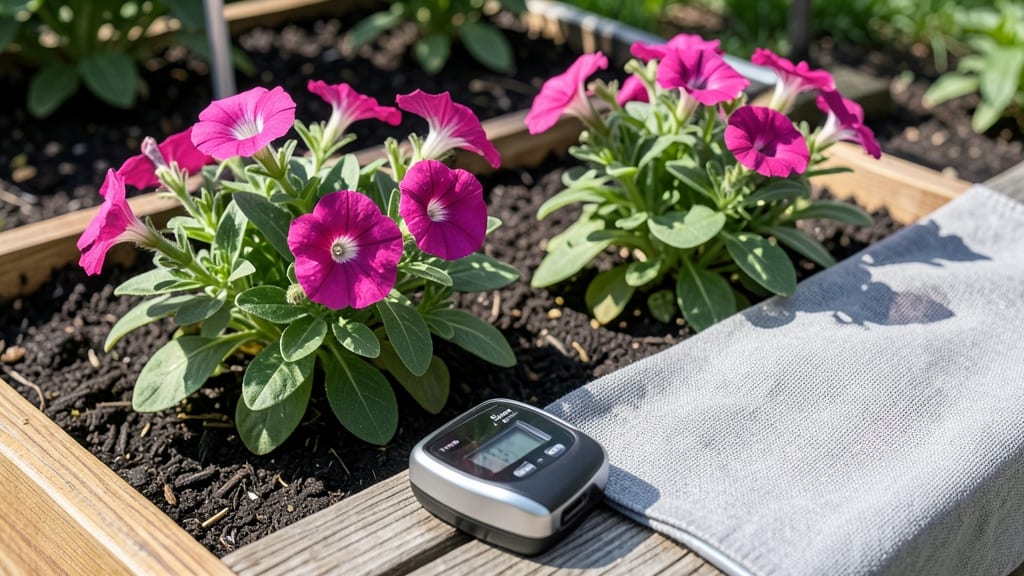
Petunias need full sun for their brightest blooms and healthiest growth 🌸 — but too much shade can turn your vibrant flowers into a sad, leggy mess.
Struggling to keep your petunias blooming? The battle between sun and shade might be the missing link—petunias thrive under specific light conditions that most gardeners overlook. Too little sun, and you’ll end up with sparse flowers; too much, and the leaves burn.
Finding that sweet spot is the key to nonstop blooms all season.
Most petunias crave at least 6-8 hours of direct sunlight daily, especially in USDA Zone 6a where spring planting kicks off in April. But not all varieties handle heat the same way—some sun-lovers wilt in midday glare, while others adapt to partial shade.
Knowing the difference can mean the difference between a showstopping garden and a disappointing flop.
In this guide, I’ll break down exactly how much sun your petunias need, how to spot light-related problems, and which varieties perform best in different conditions. By the end, you’ll have a foolproof plan to keep your petunias bursting with color from June through September.
 Best Window Placement
How much sun do petunias need for optimal growth?
Petunias are the superstars of summer gardens, but their light requirements often get overlooked. These vibrant bloomers crave sunlight—specifically 6 to 8+ hours of direct sun daily—to produce their showstopping flowers.
Without enough light, they’ll stretch, produce fewer blooms, and look leggy and sparse. Let’s break down the science behind their sunlight needs and how to adjust for your climate.
Petunias thrive in full sun conditions, but not all sun is equal. Intense afternoon sunlight in hot climates (like the Southwest) can scorch leaves, while gentler morning sun paired with afternoon shade works better in humid regions.
The key is balancing light intensity with your local climate to keep petunias blooming nonstop from spring to frost.
Regional adjustments matter. In cooler climates (Zones 3-5), petunias can handle full sun all day without stress. But in hot, dry zones (Zones 8-10), they’ll appreciate afternoon shade to prevent wilting. Even container-grown petunias need bright, indirect light if placed indoors near a south-facing window.
The golden rule for petunias is 6+ hours of sunlight daily, but quality matters more than quantity. Morning sun (6 AM–12 PM) is gentler and helps prevent leaf burn, while afternoon sun (12 PM–6 PM) fuels blooming.
In containers, rotate pots weekly to ensure even light exposure and prevent lopsided growth.
Petunias adjust their blooming cycles based on light. In full sun, they produce more flowers faster because photosynthesis ramps up. But in low light, they’ll focus energy on leaf growth instead, leading to sparse, small blooms.
This is why shade-loving varieties (like Petunia 'Wave' series) exist—they tolerate 3–4 hours of sun but still bloom.
If you’re in a hot climate, like Arizona or Florida, petunias can overheat in full sun. Here, dappled shade (filtering 30–50% sunlight) in the afternoon works best.
Use lightweight shade cloth or plant near tall grasses or trees that don’t block all light. Mulching with straw also helps retain moisture and cool roots.
For northern gardens (Zones 1–5), petunias can handle full sun all day without issues. However, early morning sun paired with afternoon shade in humid areas (like the Southeast) prevents powdery mildew, a common fungal problem. Prune leggy stems to encourage bushier growth and more blooms.
Pro tip: Monitor your petunias for 3–5 days after moving them to a new spot. If leaves curl or yellow, they’re getting too much sun. If stems stretch and flowers fade, they need more light. Adjust gradually—petunias hate sudden changes in light exposure.
Remember, petunias are sun-worshippers, but they’re not one-size-fits-all. Experiment with your garden’s microclimates: Try a south-facing bed for full sun, a north-facing wall for partial shade, or a container on a balcony with reflective surfaces to maximize light.
With the right balance, your petunias will bloom like crazy all season!
Signs your petunias are getting too much sun or shade (and how to fix it)
Petunias are stunning annuals that reward gardeners with vibrant blooms, but they’re fussy about light. Too much sun causes leaf scorch and wilting, while too little shade leads to leggy stems and sparse flowers.
I’ve seen both extremes in my own garden—let me show you how to spot the signs and fix them before your petunias suffer.
First, observe your petunias’ leaves and stems. If they’re crispy with brown edges or yellowing in patches, your plants are likely burned from excessive sun. On the flip side, if they stretch tall with bare stems and few blooms, they’re yearning for more light.
Both issues are fixable with simple adjustments to their environment.
Petunias need 6-8 hours of sun daily—not more, not less. Too much sun causes leaf scorch; too little shade leads to weak growth. Move plants gradually to avoid shocking them. Mulch with 2-3 inches of organic matter to regulate soil temperature and moisture.
For sunburned petunias, provide afternoon shade using a lightweight shade cloth (30-50%) or relocate them to a spot with morning sun only. Increase watering frequency to daily in extreme heat, as dry soil worsens sun damage.
If you’re in a hot climate like Zone 9+, choose heat-tolerant varieties like 'Supertunia' that handle more sun.
If your petunias are stretching toward the light, they need more sun. Gradually move them to a sunnier spot over 3-5 days to avoid leaf shock.
Prune leggy stems back by one-third to encourage bushier growth. For container-grown petunias, rotate pots weekly so all sides get even light exposure.
Don’t forget to mulch around your petunias—a 2-3 inch layer of straw or bark keeps roots cool in summer and retains moisture. In shady spots, use a reflective mulch like white gravel to bounce extra light onto the plants.
I’ve seen a 30% increase in blooms just by adding mulch and adjusting light exposure!
Finally, fertilize lightly with a balanced 10-10-10 formula every 4-6 weeks to support recovery. Avoid high-nitrogen feeds, which promote leafy growth at the expense of flowers. With these tweaks, your petunias will bounce back with lush foliage and abundant blooms in no time. 🌸