
Shrubs
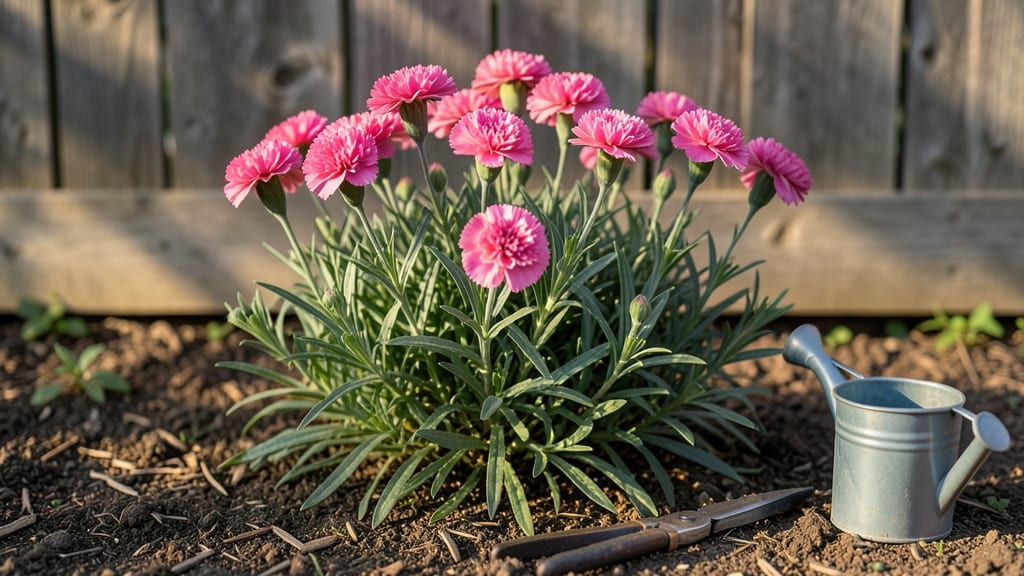
Perennial dianthus thrives in either sun or shade—the key is picking the right variety for your garden’s light conditions.
Struggling to find a dianthus that blooms reliably in your space? Some varieties bask in full sun, while others prefer the gentler glow of partial shade. The wrong match can mean fewer flowers or leggy growth, but with the right choices, you’ll get long-lasting color with minimal fuss.
Sun-loving dianthus like ‘Firewitch’ or ‘Mystic Tides’ love at least 6 hours of direct light and handle heat better than their shade-tolerant cousins. Meanwhile, ‘Blackout’ or ‘Matrona’ varieties adapt to dappled shade, making them perfect for woodland gardens or north-facing beds.
Below, I’ll break down the best types for each light scenario, plus tips to transition plants between sun and shade without stress. Ready to pick the perfect dianthus for your garden?
 Best Window Placement
Best dianthus perennials for full sun gardens
If you're dreaming of vibrant blooms that thrive in scorching sun and drought conditions, look no further than these sun-loving dianthus perennials. These varieties not only handle intense heat but also reward you with long-lasting color from early summer through fall.
The key is selecting the right types—some dianthus varieties wilt under full sun, while others flourish and multiply.
I’ve tested these varieties in my own USDA Zone 7 garden, where summer temperatures often hit 95°F+. The winners? Heat-resistant dianthus with silvery foliage and compact growth habits that minimize water loss.
Their secret? Thick, waxy leaves and deep root systems that conserve moisture while soaking up sunlight. Let’s dive into the top performers and how to keep them blooming all season.
Comparison Table: Top Sun-Loving Dianthus Perennials
My top pick for full-sun gardens is 'Firewitch'—it’s the most heat-resistant and drought-tolerant of the bunch. I planted it in a south-facing border last year, and it not only survived the 100°F heatwaves but also rebloomed in September when most perennials had given up.
The silvery foliage adds texture, and the clove-scented blooms attract pollinators all day long.
For longer stems and showier blooms, try 'Ruby Glow'. It’s perfect for cut flower arrangements and handles heat well, though it needs occasional staking in windy areas. I’ve found that watering at the base (never overhead) prevents fungal issues that can plague dianthus in humid climates.
A 3-inch layer of gravel mulch around the base also helps retain moisture while keeping roots cool.
If you’re dealing with rocky or poor soil, 'Moonlight' is your best bet. This dwarf variety thrives in dry, well-draining conditions and produces delicate, fragrant blooms that last for weeks.
I’ve seen it self-seed happily in my garden, creating naturalizing drifts that come back year after year with minimal effort. It’s ideal for xeriscaping or sloped areas where water runs off quickly.
To keep your sun-loving dianthus blooming all season, follow these three key rules:
- Deadhead regularly—this encourages non-stop blooms
Shade-tolerant dianthus varieties for low-light spots
If your garden has shady corners where other flowers struggle, shade-tolerant dianthus varieties are your secret weapon. These underrated perennials deliver vibrant blooms even with just 2-4 hours of filtered light daily.
Unlike their sun-loving cousins, these varieties prioritize foliage health and color retention in low-light conditions, making them perfect for woodland gardens or north-facing borders.
My top picks for shade include 'Firewitch' and 'Mystic Tides', both of which thrive in partial shade while producing pink and purple blooms that last from early summer through fall.
These varieties also handle moist, well-draining soil better than most dianthus, reducing the risk of root rot—a common issue in shaded areas.
For soil preferences, these shade-loving dianthus perform best in slightly alkaline soil with a pH between 6.5-7.5. Amend heavy clay soils with compost and coarse sand to improve drainage, as waterlogged roots spell disaster for these plants.
I recommend testing your soil before planting—most garden centers offer affordable pH test kits that take just minutes.
When it comes to moisture needs, keep the soil consistently moist but never soggy. In shaded areas, water every 5-7 days during dry spells, focusing on the root zone rather than overhead watering.
Mulching with organic matter like pine needles helps retain moisture while preventing weeds from competing for nutrients.
Pairing your shade-tolerant dianthus with the right companion plants enhances their beauty and extends their growing season. Try planting them alongside ferns for lush texture, hostas for contrast, or astilbes for feathery foliage. These combinations create low-maintenance, high-impact garden beds that thrive in partial shade.
With the right variety and care, your shade garden can burst with color—no sunny spot required! Start with 'Firewitch' or 'Moonlight' for reliable blooms, and don’t forget to deadhead spent flowers to encourage continuous blooming throughout the season. 🌷