
Planting
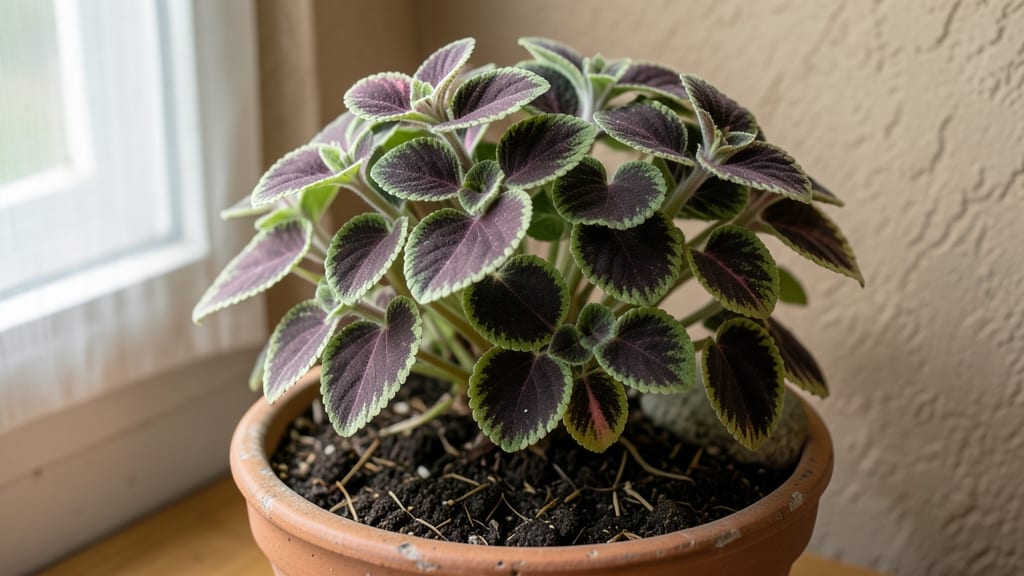
Growing coleus in shade turns your darkest corners into a riot of color—no sun required. 🌿 I’ve grown these plants in spots where nothing else survives, and with the right variety and care, they’ll reward you with bold, patterned leaves all season long.
The secret isn’t forcing them into sunlight but choosing the perfect shade-tolerant types and matching their needs to your space.
Start with varieties like 'Black Dragon,' 'Windy City,' or 'Solana,' bred to thrive in partial to full shade. They’ll handle 3–6 hours of indirect light daily, though some even tolerate deeper shade if you pick the right cultivar.
Your soil should drain well but stay moist—think rich potting mix or garden soil amended with compost. Overwatering is the real enemy here, so let the top inch dry between waterings.
Leggy growth or pale leaves? You’re likely giving them too much light—or not enough nutrients. Rotate your pots occasionally for even growth, and feed with a balanced liquid fertilizer every 4–6 weeks.
Prune back leggy stems to encourage bushier, more vibrant foliage. With these tweaks, your coleus will stay compact, colorful, and thriving until frost.
Bonus: These plants are beginner-proof—they bounce back from neglect, resist pests, and even flower (though you’ll want to snip those off to keep the foliage showy). Perfect for patios, under trees, or north-facing windows. Once you master shade coleus, you’ll never fear dark spots in your garden again.
📚 In This Guide
- What you need
- Instructions
- Tips and common mistakes
- Wrapping up and next steps
What you need
- ● Coleus plants: 3–5 healthy nursery-grown coleus (look for Plectranthus scutellarioides varieties like 'Black Dragon,' 'Winer’s Palette,' or 'Rainbow').
- ● Containers (if potted): 6–8" diameter pots with drainage holes (terracotta or fabric pots work best).
- ○ Well-draining potting mix: 1–2 bags of a light, airy blend (e.g., 60% peat moss/coco coir, 30% perlite, 10% compost). Optional: Add 1 tbsp worm castings per pot for extra nutrients.
- ● Slow-release fertilizer: 1–2 tbsp of balanced 10-10-10 or organic fertilizer (e.g., fish emulsion) per pot.
- ○ Mulch (optional): 1 inch of shredded bark or pine needles to retain moisture.
- ● Gloves & pruners: Clean, sharp pruners (sterilized with rubbing alcohol) to trim leggy stems.
- ● Watering can: With a rose attachment for gentle watering (avoid soggy soil!).
- ● Spray bottle: For misting leaves in dry indoor conditions.
- ○ Sunlight meter (optional): To confirm your space gets 2–6 hours of indirect light daily.
- ○ Grow lights (optional): LED full-spectrum bulbs (12–14 hrs/day) if natural light is < 2 hrs.
Instructions for growing coleus in shady spots
Here's how to coax those stunning coleus leaves even when sunlight is scarce.
🪴 Step 1: Choose the Right Containers and Soil Mix
Coleus thrives in 6-inch diameter pots with drainage holes—plastic or terracotta both work. I use the same moisture-retentive potting mix I'd use for ferns, since coleus roots need consistent dampness but hate soggy conditions. Fill each pot to within 1 inch of the rim and tap gently to settle the soil without compacting.
This plant loves rich, airy soil. I like to blend my mix with 20% perlite to keep roots oxygenated while holding moisture. Press down lightly so the surface is firm enough to support the young stems but still lets roots penetrate easily. Water thoroughly until it drains from the bottom holes.
🌱 Step 2: Plant Coleus Cuttings Correctly
Take 4-inch stem cuttings from healthy mother plants, making cuts just below a leaf node. Remove the lower leaves to expose the stem, then dip the cut end in rooting hormone—this triples your success rate. Stick each cutting 2 inches deep into the prepared soil at a slight angle.
Here's the thing—coleus roots best when snug but not crowded. Space your 4 plants per 12-inch container or plant single cuttings in individual pots. Water gently right after planting to settle the soil around the stems. You'll see new growth within 2-3 weeks if the conditions are right.
☀️ Step 3: Position for Maximum Shade Success
Coleus tolerates bright indirect light to partial shade, but avoid deep shade where leaves grow pale and leggy. I place mine near east-facing windows where they get morning sun and dappled light the rest of the day. If your space is truly dark, supplement with a grow light 12 inches away for 6 hours daily.
Rotate your plants quarter-turn weekly so they grow evenly rather than stretching toward one light source. You'll know the light is perfect when leaves stay vibrant and compact rather than reaching upward with sparse foliage. Watch for yellowing lower leaves—that's your signal to move to slightly brighter conditions.
💧 Step 4: Master the Watering Balance
Water when the top inch of soil feels dry—coleus roots need consistent moisture but won't tolerate soggy soil. I water deeply until it drains from the bottom, then empty the saucer to prevent root rot. During winter's dry air, you might water every 5-7 days, but in summer heat, daily watering may be needed.
Mist the leaves occasionally to recreate their tropical humidity needs, especially in dry indoor spaces. You'll see the difference immediately—leaves stay plump and vibrant rather than crisping at the edges. Avoid wetting the leaves when watering from above, as fungal spots can develop on that lush foliage.
✂️ Step 5: Prune for Bushier Growth
Pinch back the growing tips when plants reach 6 inches tall to encourage bushier growth. Use clean scissors to snip just above a leaf node, and save those cuttings for propagation. Regular pruning keeps your coleus compact and prevents it from becoming leggy in low light.
Remove any yellow or damaged leaves immediately—they drain energy from your plant. I also trim spent flowers if they appear, though coleus rarely blooms indoors. You'll notice new growth within 1-2 weeks of pruning, with fresh leaves emerging from the sides rather than just the top.
Tips & tricks for thriving coleus in shady spots
These simple secrets will help your coleus flourish even when sunlight is scarce.
Soil Mix Matters: The 20% perlite in your soil mix isn't just for drainage—it's what prevents those dreaded soggy roots. I've found that adding a handful of worm castings to your moisture-retentive mix gives an extra nutrient boost without compromising aeration. This combo keeps roots happy while holding just enough moisture for coleus' tropical needs.
Lighting Strategy: That 6-hour daily grow light recommendation is perfect, but here's what nobody tells you—coleus actually responds better to shorter, more frequent light sessions. Try 3 hours in the morning and 3 in the evening instead of one long stretch. This mimics natural daylight patterns and prevents the leggy growth you're trying to avoid.
Rooting Hormone Hack: When you dip those 4-inch cuttings in rooting hormone, don't just dip—roll the cut end in the powder to coat it thoroughly. I've found that adding a tiny pinch of cinnamon to the rooting hormone mix (just mix them together) helps prevent fungal issues while the cuttings establish. The cinnamon acts as a natural antifungal without harming the plant.
Pruning Payoff: The 2-week window for new growth after pruning is your best opportunity to shape your plant. I like to do a "staggered prune"—trim one side completely, then wait 5 days before pruning the opposite side. This creates a more gradual regrowth pattern and prevents that lopsided look while still encouraging bushiness.
Pro Tips for Coleus Shade Plant
- These simple secrets will help your coleus flourish even when sunlight is scarce.
- Soil Mix Matters: The 20% perlite in your soil mix isn't just for drainage—it's what prevents those dreaded soggy roo...
- Lighting Strategy: That 6-hour daily grow light recommendation is perfect, but here's what nobody tells you—coleus ac...
Frequently asked questions
Can coleus grow in full shade without sunlight?
While coleus prefers bright, indirect light, it can tolerate partial shade (4–6 hours of filtered light daily). In full shade (no direct light), growth slows, and colors may fade. Use a grow light or place it near a north-facing window to maintain vibrancy. Pro tip: Rotate the pot occasionally for even exposure!
How often should I water a shade-loving coleus?
Water when the top inch of soil feels dry—usually every 5–7 days in shade. Overwatering is riskier in low light since soil drains slower. Check drainage holes and use a pot with saucer to prevent root rot. Signs of thirst: Drooping leaves (recover with water) or crispy edges (too dry).
What’s the best alternative if my coleus struggles in shade?
If your coleus refuses to thrive, try these low-light foliage stars:
- Pothos: Nearly indestructible, thrives in dim corners.
- Snake Plant: Tolerates neglect and zero direct light.
- Zebra Plant: Bright stripes stay bold in indirect light.
- Cast Iron Plant: Survives everything, including shade.
Why are my coleus leaves turning yellow in shade?
Yellowing leaves often signal overwatering or nutrient deficiency in low light. Check these fixes:
- Let soil dry slightly between waterings.
- Fertilize monthly with a balanced liquid fertilizer (diluted to half strength).
- Trim yellow leaves to redirect energy to healthy growth.
Can I grow coleus indoors year-round in shade?
Yes! Coleus is a tropical perennial that thrives indoors with consistent warmth (60–75°F). Keep it away from drafts, and supplement light in winter with a LED grow bulb. Overwintering tip: Reduce watering in cooler months (growth slows). With care, your coleus can live for years—just give it love (and light)!
Wrapping up and next steps
Growing coleus in shade is a rewarding way to add bold, colorful foliage to your space—even when sunlight is scarce! 🌿 With the right variety, soil, and care, these plants can thrive indoors or in shady outdoor spots, offering year-round vibrancy.
Whether you’re a beginner or a seasoned gardener, coleus is a forgiving and stunning choice for low-light areas.
Ready to bring these eye-catching plants into your garden or home? Start by selecting your favorite shade-tolerant varieties, prep your containers or garden bed, and give them the love they deserve. Happy planting—your space is about to get a whole lot brighter! ✨