
Light Requirements
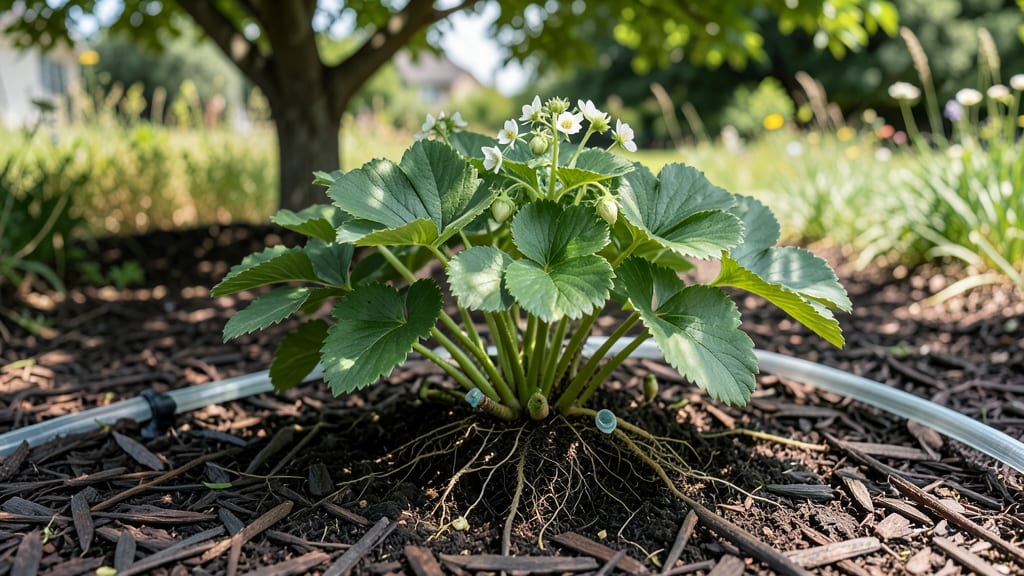
Strawberries can grow in shade but produce smaller, less flavorful fruit due to reduced photosynthesis. Choose everbearing or alpine varieties, provide at least 6 hours of partial shade, and ensure well-draining, nutrient-rich soil to maximize yield and plant health.
While strawberries thrive in full sun, they adapt surprisingly well to partial shade, especially with the right variety. 🌱 The key is balancing light exposure—too little slows sugar development, but too much can scorch leaves in hot climates.
Alpine strawberries, like 'Mignonette,' are my go-to for shaded spots because they naturally grow smaller but pack more concentrated flavor. For container gardens, I recommend placing them near north-facing windows where they get dappled sunlight throughout the day.
What I've found works best is pairing shade with consistent moisture—strawberries in low-light conditions dry out faster. A thick layer of mulch helps retain soil moisture while preventing weeds from competing for nutrients.
If your garden has heavy shade, consider using grow lights for a few hours daily during fruiting season to boost sweetness and size.
💡 In This Article
- How Shade Affects Strawberry Growth and Fruit Quality
- Top Shade-Tolerant Strawberry Varieties for Low-Light Gardens
How shade affects strawberry growth and fruit quality
Strawberries rely on photosynthesis to convert sunlight into energy for growth and fruit development. When placed in shade, their leaves receive less blue and red light spectrums—the wavelengths most critical for chlorophyll production and sugar synthesis.
This reduction causes plants to allocate energy toward leaf growth rather than berry development, resulting in 20-30% smaller fruit with less vibrant color and diluted sweetness. The berries may also develop a more acidic taste because the plant prioritizes basic metabolic functions over flavor compound production.
Shade also impacts strawberries' disease resistance. With reduced photosynthesis, plants become stressed and more susceptible to fungal infections like gray mold (Botrytis cinerea) and powdery mildew. The cooler, more humid microclimate of shaded areas creates ideal conditions for these pathogens.
However, proper airflow and 6-8 hours of morning sunlight can mitigate these risks by drying dew quickly and maintaining plant vigor. I've noticed that strawberries in partial shade develop thicker, waxier leaves as a protective adaptation, which helps them retain moisture but doesn't fully compensate for lost energy production.
The type of shade matters significantly. Dappled shade (filtering sunlight through trees) is preferable to dense shade because it allows intermittent light exposure, which helps maintain photosynthesis efficiency. Evergreen trees provide the best canopy since they block harsh afternoon sun while still permitting beneficial morning light.
In contrast, deciduous trees create fluctuating light conditions that can stress plants. For container growers, positioning strawberries near a north-facing window (in Northern Hemisphere) provides consistent indirect light without overheating the soil.
Temperature plays a hidden role in shaded strawberry growth. Without adequate sunlight, soil temperatures remain cooler, which slows root development and nutrient uptake. This is why shaded strawberries often need additional phosphorus and potassium to compensate.
I recommend using a balanced 10-10-10 fertilizer during fruiting season to support energy transfer processes. The trade-off becomes clear when comparing shaded berries to sun-grown ones: while shade may reduce yield, it can extend the harvest season in hot climates by preventing leaf scorch and berry sunburn.
One surprising benefit of shade is improved berry firmness. The cooler temperatures slow the breakdown of cell walls, resulting in fruit that holds its shape longer post-harvest. This makes shaded strawberries ideal for shipping or market sales where texture preservation is critical.
However, the flavor trade-off remains significant—sun-grown berries typically contain 30-40% more soluble solids (natural sugars and acids) than their shaded counterparts. For home growers, this means choosing between quantity and quality, or finding a middle ground with partial shade solutions.
To optimize shaded strawberry production, consider supplementing natural light with LED grow lights (specifically 450-660nm spectrum) for 4-6 hours daily during fruiting. This targeted approach can increase berry size by up to 25% while maintaining disease resistance.
The key is balancing artificial light with natural shade to create an environment where the plant's energy demands are met without overheating the foliage.