
Light Requirements
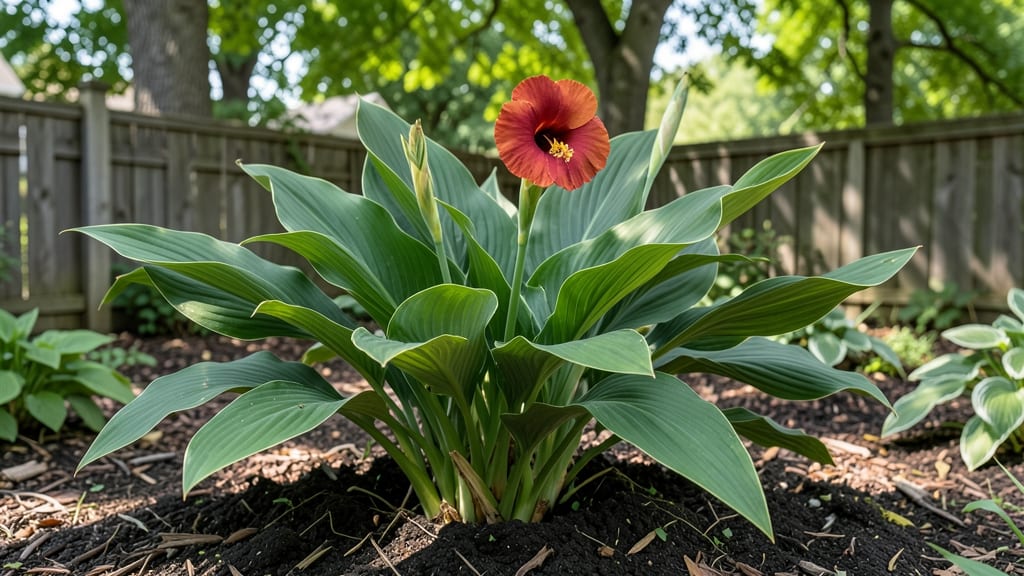
Cannas can grow in shade, but they perform best with partial shade to full sun exposure—varieties like Canna 'Striped' or Purple Haze handle low light better than others. In deep shade, you'll see reduced growth, sparse blooms, and leaves that may fade in color intensity.
While cannas are famously adaptable, their growth habits shift dramatically based on light exposure. 🌿 In lower light conditions, these tropical plants prioritize leaf production over blooms, often resulting in lush but less vibrant foliage.
I've noticed that shade-tolerant varieties maintain better color retention than sun-loving types, but even they won't reach their full potential without some direct sunlight. The key is finding the right balance—most cannas appreciate at least 4-6 hours of filtered light daily to prevent leggy growth and maximize flowering potential.
For gardeners working with limited sunlight, selecting the right variety makes all the difference. Some cultivars like Canna 'Wyoming' or Black Knight demonstrate remarkable resilience in shady spots, producing striking foliage even when blooms are scarce.
The trade-off is worth it for those with north-facing gardens or heavily treed landscapes, as these varieties still deliver dramatic visual impact through their bold leaf patterns and sturdy stems.
💡 In This Article
- How Light Levels Affect Canna Growth and Flowering
- Best Shade-Tolerant Canna Varieties for Low-Light Gardens
How light levels affect canna growth and flowering
Cannas rely on photosynthesis to convert light into energy, but their chlorophyll production shifts dramatically in shade. In low-light conditions, these tropical plants prioritize leaf expansion over energy-intensive processes like flowering. The result?
You'll see broader but thinner leaves that may lose their vibrant hues, as chlorophyll synthesis slows down without sufficient sunlight. 🌿 This explains why cannas in deep shade often produce fewer blooms—up to 70% fewer flowers than their sun-exposed counterparts, according to horticultural studies.
The science gets even more interesting when you consider how different wavelengths of light affect cannas. Blue light (400-500nm) promotes leaf growth, while red light (600-700nm) triggers flowering. Shade filters out red light, creating an imbalance that stunts bloom production.
Varieties with naturally darker foliage, like Canna 'Black Knight', mask this effect better by maintaining rich pigmentation even in low light, while variegated types may lose their yellow or white patterns entirely.
What most gardeners don't realize is how light affects canna's internal water balance. In shade, plants conserve energy by reducing transpiration (water loss), which makes stems softer and more prone to flopping. This is why cannas in low-light areas often need staking even when grown in full sun.
The trade-off is that shade-grown cannas typically require 30-50% less water than sun-loving varieties, making them more drought-tolerant once established.
Temperature plays a hidden role too. Shade creates cooler microclimates that slow metabolic processes, which is why cannas in shaded spots often grow more slowly but also resist pests better. The cooler conditions reduce the activity of sap-sucking insects like aphids, which thrive in warm, sunny environments.
However, this comes at the cost of reduced vigor—shade-grown cannas may reach only 60-70% of their full sun height by the end of the season.
For those tracking growth metrics, here's what to expect: In full sun, cannas can grow 3-5 feet tall with 2-3 feet of spread, while in deep shade, the same variety might max out at 2-3 feet tall with minimal spread.
The foliage also becomes more upright in shade, losing the bushy habit that makes cannas so attractive in sunny borders.
One surprising adaptation occurs in canna's root system. Shade-stressed plants develop more lateral roots to access nutrients in the upper soil layers, while sun-grown cannas focus their energy on deeper, more extensive root networks.
This explains why shade-grown cannas often recover better from transplant shock—they've already adapted to less favorable growing conditions.